Area Overview for Wrecsam - Wrexham
Photos of Wrecsam - Wrexham
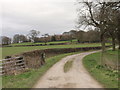
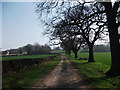
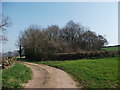
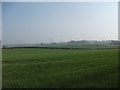
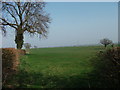
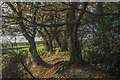
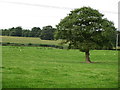
Area Information
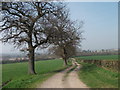
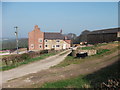
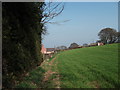
Living in Wrecsam - Wrexham offers a distinct experience within the unitary authority of Denbighshire in north-east Wales. This district borough covers a significant expanse of 504.1 km², providing residents with a vast rural landscape mixed with historic town centres. The area sits distinct from the more densely populated urban sprawls often associated with English unitary authorities, reflecting a population that has matured over decades. You will find a community where daily life revolves around the natural environment and a stable, settled way of living. The sheer size of the district means distances can be considerable, but the landscape opens up into countryside and undulating terrain that defines the local character. Prospective buyers should understand that Wrecsam - Wrexham is not a typical commuter belt suburb. Instead, it functions as a standalone region with its own identity. The combination of rural space and administrative independence creates a specific rhythm to life here, where neighbours often know each other by sight. While the broad digital infrastructure shows signs of age, the physical accessibility remains a key factor for those considering homes in this area. You are stepping into a space where the boundary between town and country blurs, offering a lifestyle that prioritises space and quiet over urban density. This geographical spread requires practical consideration for your commute, yet it delivers a sense of openness rare in modern property markets.
- Area Type
- District/Borough
- Area Size
- 504.1 km²
- Population
- Not available
- Population Density
- Not available
Demographics
The community profile of Wrecsam - Wrexham presents a clear demographic picture rooted in long-term stability. Data confirms a remarkably high level of established residency, with 63 per cent of all properties occupied by owner-occupiers. This high rate of ownership suggests a population that has put down roots rather than viewing the area as a temporary base. The median age sits at an exceptionally high 70 years, indicating that this is a retirement destination or a location favoured by older generations seeking a quieter life. Age ranges skew significantly towards seniors, meaning schools and youth-focused amenities operate with different pressures than in younger districts. Household composition reflects this older population, with many homes likely accommodating single people or small families where adult children remain close. The area does not sit at the forefront of demographic diversity; instead, it remains a fairly homogeneous community in terms of ethnicity and religious affiliation, typical of many historic Welsh border towns. There are no plans or radical shifts suggested by the current figures, which typifies the gradual, natural aging of the population. Living here means interacting with a consistent set of local businesses and neighbours who understand the area's specific needs. The environment is shaped by these long-term residents rather than transient movers, creating a predictable and generally low-pressure social atmosphere.
Household Size
Accommodation Type
Tenure
Ethnic Group
Religion
Household Composition
Age
Household Deprivation
NS-SEC
Explore more demographic insights in this area
Go to Demographics tabPlanning
Planning Constraints
- Flood RiskPremium
- Ramsar Wetland SitesPremium
- Area of Outstanding Natural BeautyPremium
- Protected Nature ReservePremium
- Protected WoodlandPremium
- Crime RiskPremium