Area Overview for CF45 3SQ
Photos of CF45 3SQ
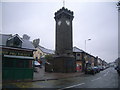
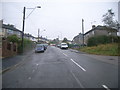
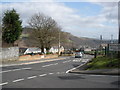
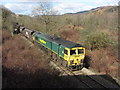
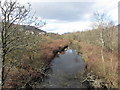
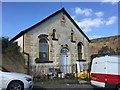
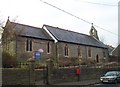
Area Information
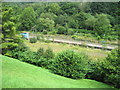
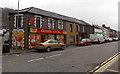
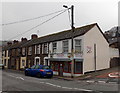
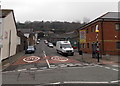
CF45 3SQ is a small residential postcode in the Cynon Valley, Wales, encompassing the village of Penrhiwceiber. With a population of 1,456 spread across 736 square metres, it is a densely populated area characterised by steep terrain and historical roots in coal mining. The village, now a quiet community, was once a bustling mining hub, with its streets emerging in the 1880s following the opening of Penrhiwceiber Colliery in 1878. Today, the area retains a sense of heritage, with landmarks like Saint Winifred’s Church (1883) and the Penrhiwceiber Workmen’s Hall (1888) standing as testaments to its industrial past. Life here is defined by proximity to nature and a tight-knit community, with residents navigating a steep landscape that offers both challenges and scenic views. The area’s small size means amenities are concentrated, with nearby shops, schools, and rail links providing practical convenience. For those seeking a blend of history and modern living, CF45 3SQ offers a distinct Welsh village experience, albeit with a high population density that reflects its compact footprint.
- Area Type
- Postcode
- Area Size
- 736 m²
- Population
- 1456
- Population Density
- 2215 people/km²
CF45 3SQ is primarily an owner-occupied area, with 65% of residents living in homes they own. The accommodation type is predominantly houses, which is typical for rural and semi-rural Welsh communities. This suggests a housing stock that prioritises family homes over apartments or flats, reflecting the area’s historical development as a mining village. The compact size of the postcode means the property market is limited to a small number of homes, likely concentrated in the village of Penrhiwceiber. Buyers should consider that the area’s steep terrain may influence property layouts and accessibility. Given the high home ownership rate, the market may be less influenced by rental demand, though the small size of the area means properties are likely to be in close proximity to one another. For those seeking a home in CF45 3SQ, the focus would be on individual houses with potential for long-term value, given the stable demographic and historical character of the village.
House Prices in CF45 3SQ
Showing 1 properties
| Address | Type | Beds | Baths | Last Sale Price | Last Sale Date | |
|---|---|---|---|---|---|---|
| Penrhiwceiber Medical Centre, Penrhiwceiber Road, Penrhiwceiber, Mountain Ash, CF45 3SQ | commercial | - | - | - | - |
Energy Efficiency in CF45 3SQ
The lifestyle in CF45 3SQ is shaped by its proximity to local amenities and historical infrastructure. Within practical reach are five retail outlets, including Co-op Penrhwiceiber, Iceland Mountain, and Spar Certas, providing essential shopping options. The village’s railway stations offer access to regional transport networks, enhancing connectivity to nearby towns. While the data does not specify parks or leisure facilities, the area’s steep terrain and historical roots suggest opportunities for walking or exploring natural landscapes. The presence of religious buildings, such as Carmel Chapel (1880) and All Saints (Tyntetown, 1903), indicates a community with cultural and social traditions. The compact nature of the area means amenities are concentrated, fostering a sense of convenience for residents. However, the absence of detailed information on parks or recreational spaces means the full extent of leisure options remains unclear. Daily life here balances practicality with the village’s historical and geographical character.
Amenities
Schools
The area is served by several primary schools, including Penrhiwceibr Junior School, Penrhiwceibr Infants School, Perthcelyn Community Primary School, and Penrhiwceibr Primary. All are categorised as "other" in the data, meaning their specific Ofsted ratings are not provided. The presence of multiple primary schools within the postcode suggests a focus on early education, which is vital for families with young children. The clustering of schools may indicate a need for additional educational resources, though the exact quality of provision is not specified. For parents, the availability of several schools within walking distance offers flexibility, though the absence of secondary schools in the data implies that students may need to travel to nearby towns for further education. The historical significance of Penrhiwceiber Primary School, established in 1881, adds to the area’s educational heritage, though its current standards remain unquantified.
| Rank | School | Type | Entry gender | Ages |
|---|
Explore more schools in this area
Go to Schools tabDemographics
The population of CF45 3SQ is 1,456, with a median age of 47, indicating a community skewed towards middle-aged adults. The most common age range is 30–64 years, suggesting a stable demographic with a focus on family life or long-term residency. Home ownership is high at 65%, reflecting a preference for private housing over rental properties. The area is predominantly composed of houses, which aligns with the higher proportion of owner-occupied homes compared to flats or other accommodation types. The predominant ethnic group is White, though specific diversity metrics are not detailed in the data. The age profile and ownership rates suggest a mature, settled population, likely with established careers and family ties to the area. The absence of specific deprivation data means the quality of life cannot be fully assessed, but the high home ownership and stable age distribution imply a community with relative economic security and long-term planning.
Household Size
Accommodation Type
Tenure
Ethnic Group
Religion
Household Composition
Age
Household Deprivation
NS-SEC
Explore more demographic insights in this area
Go to Demographics tabPlanning
Planning Constraints
- Flood RiskPremium
- Ramsar Wetland SitesPremium
- Area of Outstanding Natural BeautyPremium
- Protected Nature ReservePremium
- Protected WoodlandPremium
- Crime RiskPremium