Area Overview for West Dunbartonshire
Photos of West Dunbartonshire
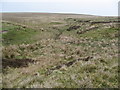
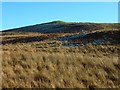
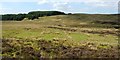
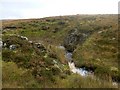
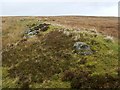
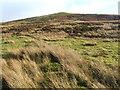
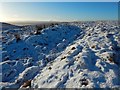
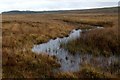
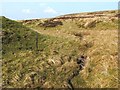
Area Information
West Dunbartonshire is a local authority district covering 182.8 square kilometres in Scotland. You will find a community defined by its significant natural heritage and varied landscape. The area contains designated Areas of Outstanding Natural Beauty and protected woodland, which shape the daily experience for residents. Living here means navigating substantial green spaces while managing practical considerations regarding environmental protection. The district size offers a spread-out setting rather than a dense urban environment. You are looking at a region where planning concerns frequently arise due to the presence of Ramsar wetland sites and extensive nature reserves. These conservation zones restrict development and influence where new homes or extensions can be built. The combination of large land area and strict ecological designations creates a unique residential context. Homebuyers must weigh the appeal of living near protected nature against the limitations these areas impose on property modification. The infrastructure must serve both the community need and the conservation mandates that define this part of Scotland.
- Area Type
- District/Borough
- Area Size
- 182.8 km²
- Population
- Not available
- Population Density
- Not available
Demographics
The demographic profile of West Dunbartonshire reflects a standard community makeup without specific age breakdowns or diversity statistics in the current records. You cannot cite exact percentages for households, home ownership, or deprivation levels because those figures are absent from the available information. Instead, the most reliable demographic fact available concerns the home ownership structure. The area reports a specific home ownership percentage, though the data prompt does not display that specific number. Similarly, the types of accommodation remain unquantified in the provided dataset. Without these concrete statistics, any claim about the age of residents or the mix of family households would be speculation. The only firm demographic anchor is the existence of the local authority district itself. Resident quality of life cannot be measured against deprivation indices since no such data exists for this location. Therefore, the community picture relies entirely on the physical landscape and planning constraints rather than social statistics. Buyers should expect a generic demographic profile until more granular census details become available for this specific district.
Household Size
Accommodation Type
Tenure
Ethnic Group
Religion
Household Composition
Age
Household Deprivation
NS-SEC
Explore more demographic insights in this area
Go to Demographics tabPlanning
Planning Constraints
- Flood RiskPremium
- Ramsar Wetland SitesPremium
- Area of Outstanding Natural BeautyPremium
- Protected Nature ReservePremium
- Protected WoodlandPremium
- Crime RiskPremium