Area Overview for BD7 3HD
Photos of BD7 3HD
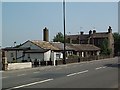
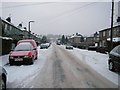
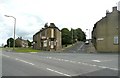
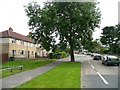
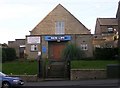
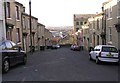
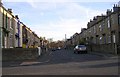
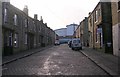
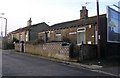
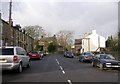
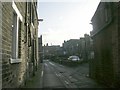
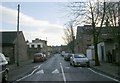
Area Information
Living in BD7 3HD means being part of a tightly knit residential cluster within Bradford’s city centre. The area covers 1,844 square metres and is home to 1,683 people, creating a dense, urban environment with a population density of 912,502 people per square kilometre. This postcode lies within the City Ward, a historic electoral boundary defined by Bradford’s inner ring road. Daily life here is shaped by proximity to the city’s core, with easy access to rail networks and retail hubs. The area’s small footprint means it is highly walkable, though its compact nature also means limited green space. Despite its density, BD7 3HD is not a typical city centre postcode—its residents are predominantly adults aged 30–64, suggesting a mix of established families and professionals. The area’s low flood risk and absence of environmental constraints make it a pragmatic choice for those prioritising practicality over scenic landscapes. However, its compact size and high population density mean living here requires a tolerance for urban intensity, with little room for expansion or sprawl.
- Area Type
- Postcode
- Area Size
- 1844 m²
- Population
- Not available
- Population Density
- Not available
The property market in BD7 3HD is characterised by a 38% home ownership rate, suggesting a majority rental market. This aligns with the area’s status as a small, densely populated postcode where houses are the primary accommodation type. Given the limited area size, the housing stock is likely constrained, with few new developments. The presence of houses rather than flats or apartments may indicate a focus on family-friendly or semi-detached living, though the compact nature of the postcode means properties are likely smaller. For buyers, this suggests a niche market where availability is limited, and competition may be high. The rental market could offer opportunities for investors, but the low ownership rate also signals potential challenges in long-term value retention. Prospective buyers should weigh the area’s practical advantages against its lack of space and high population density.
House Prices in BD7 3HD
Showing 3 properties
| Address | Type | Beds | Baths | Last Sale Price | Last Sale Date | |
|---|---|---|---|---|---|---|
| 10 Town End, Bradford, BD7 3HD | house | 3 | 1 | £82,000 | May 2021 | |
| 2 Town End, Bradford, BD7 3HD | house | - | - | £95,000 | Sep 2018 | |
| Flat At, 6-8 Town End, Bradford, BD7 3HD | Flat | - | - | - | - |
Energy Efficiency in BD7 3HD
Residents of BD7 3HD have access to essential retail and transport hubs within practical reach. Nearby shops include Tesco Bradford, Asda Little, and Aldi Clayton, offering everyday necessities. The area’s rail network is a key feature, with five stations providing connections to Bradford’s broader transport system. While there is no mention of parks or leisure facilities in the data, the proximity to the city centre suggests access to cultural and recreational venues. The compact nature of the postcode means amenities are concentrated, creating a convenient but potentially crowded urban lifestyle. For those who prioritise proximity to shops and transport, BD7 3HD offers efficiency, though it may lack the space for larger recreational areas.
Amenities
Schools
| Rank | School | Type | Entry gender | Ages |
|---|
Explore more schools in this area
Go to Schools tabDemographics
BD7 3HD’s population skews young, with a median age of 22, though the most common age range is adults aged 30–64. This suggests a community of working-age individuals, possibly including students or professionals. Home ownership is low at 38%, indicating a rental-dominated market, which may appeal to those seeking flexibility. The area’s accommodation is primarily houses, a rarity in such a compact postcode, though this could reflect a mix of terraced or semi-detached properties. The predominant ethnic group is Asian, highlighting cultural diversity. However, no specific data on deprivation or income levels is provided, so it is unclear how this affects quality of life. The age profile and housing stock suggest a community focused on stability and practicality, with a strong emphasis on proximity to transport and employment hubs.
Household Size
Accommodation Type
Tenure
Ethnic Group
Religion
Household Composition
Age
Household Deprivation
NS-SEC
Explore more demographic insights in this area
Go to Demographics tabPlanning
Planning Constraints
- Flood RiskPremium
- Ramsar Wetland SitesPremium
- Area of Outstanding Natural BeautyPremium
- Protected Nature ReservePremium
- Protected WoodlandPremium