Area Overview for BD7 3DH
Photos of BD7 3DH
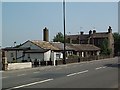
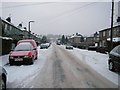
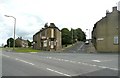
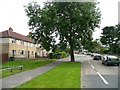
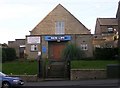
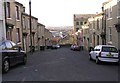
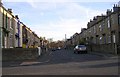
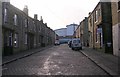
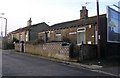
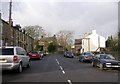
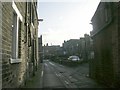
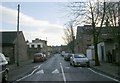
Area Information
Living in BD7 3DH means being part of a densely populated, compact residential cluster at the heart of Bradford’s urban fabric. The area covers 2,756 square metres and accommodates 1,683 residents, translating to a population density of 610,616 people per square kilometre. This high density reflects its role as a central hub within the City of Bradford Metropolitan District Council, bounded by the inner ring road. The area is distinct for its proximity to the city’s core, offering easy access to retail, transport, and cultural amenities. Daily life here is shaped by its urban setting, with a mix of young and middle-aged residents contributing to a dynamic community. While the median age is 22, the predominant age group is adults aged 30–64, suggesting a balance between younger professionals and established families. The area’s character is further defined by its ethnic diversity, with Asian communities forming the largest demographic group. This blend of density, accessibility, and cultural makeup makes BD7 3DH a focal point for those seeking urban convenience without sacrificing connectivity to nearby services.
- Area Type
- Postcode
- Area Size
- 2756 m²
- Population
- Not available
- Population Density
- Not available
The property market in BD7 3DH is characterised by a low home ownership rate of 38%, suggesting that a majority of residents rent rather than own their homes. This contrasts with the accommodation type, which is primarily houses, indicating a mix of semi-detached or terraced properties in a compact area. The small size of the postcode means the housing stock is limited, potentially making it a competitive market for buyers. The low home ownership percentage could reflect economic pressures, such as high rental costs or a transient population. However, the presence of houses rather than flats or apartments may appeal to those seeking more space in an urban setting. For buyers, the area’s proximity to retail and transport hubs adds practical value, though the limited size of BD7 3DH means the immediate surroundings are critical for finding additional options. The market likely balances affordability with the benefits of central location, though the low ownership rate suggests a rental-dominated landscape.
House Prices in BD7 3DH
Showing 11 properties
| Address | Type | Beds | Baths | Last Sale Price | Last Sale Date | |
|---|---|---|---|---|---|---|
| 399 Great Horton Road, Bradford, BD7 3DH | Terraced | 3 | 2 | £57,475 | Aug 2010 | |
| 407-409 Great Horton Road, Bradford, BD7 3DH | Terraced | - | - | £10,000 | Oct 2001 | |
| 395A Great Horton Road, Bradford, BD7 3DH | Flat | - | - | £27,000 | Jan 1996 | |
| 397A Great Horton Road, Bradford, BD7 3DH | Flat | 5 | 1 | - | - | |
| Former Flat At, 411 Great Horton Road, Bradford, BD7 3DH | Flat | - | - | - | - | |
| Second Hand Corner, Basement And Ground Floors, 391 Great Horton Road, Bradford, BD7 3DH | Office | - | - | - | - | |
| Flat Above, 393 Great Horton Road, Bradford, BD7 3DH | Flat | - | - | - | - | |
| 411 Great Horton Road, Bradford, BD7 3DH | house | - | - | - | - | |
| 401 Great Horton Road, Bradford, BD7 3DH | house | - | - | - | - | |
| 403 Great Horton Road, Bradford, BD7 3DH | Terraced | - | - | - | - |
Energy Efficiency in BD7 3DH
Living in BD7 3DH offers a range of amenities within practical reach, enhancing daily life for residents. The area is served by five retail outlets, including major chains like Tesco Bradford, Asda Little, and Aldi Clayton, ensuring access to groceries, household goods, and convenience shopping. These stores cater to both everyday needs and occasional purchases, supporting a self-contained urban lifestyle. The proximity to five railway stations, such as Bradford Interchange and Forster Square, provides seamless connections to regional transport networks, facilitating travel to nearby cities or countryside destinations. While the area lacks detailed information on parks or leisure facilities, its central location likely grants access to broader city amenities. The combination of retail options and transport links creates a convenient, dynamic environment, ideal for those prioritising accessibility over expansive green spaces.
Amenities
Schools
| Rank | School | Type | Entry gender | Ages |
|---|
Explore more schools in this area
Go to Schools tabDemographics
The community in BD7 3DH is defined by its age distribution and ethnic composition. The median age of 22 contrasts with the most common age range of 30–64 years, indicating a population skewed toward middle-aged adults. This suggests a mix of professionals and families, though the absence of data on younger children or retirees means the full demographic profile remains partial. Home ownership in the area is relatively low at 38%, implying a significant proportion of residents rent their homes. The accommodation type is predominantly houses, which is unusual for a high-density urban postcode, hinting at a mix of semi-detached or terraced properties. The predominant ethnic group is Asian, reflecting broader trends in Bradford’s demographics. While no specific deprivation data is provided, the high population density and reliance on rentals may indicate challenges in housing affordability. However, the area’s proximity to amenities and transport links suggests a focus on practicality over luxury.
Household Size
Accommodation Type
Tenure
Ethnic Group
Religion
Household Composition
Age
Household Deprivation
NS-SEC
Explore more demographic insights in this area
Go to Demographics tabPlanning
Planning Constraints
- Flood RiskPremium
- Ramsar Wetland SitesPremium
- Area of Outstanding Natural BeautyPremium
- Protected Nature ReservePremium
- Protected WoodlandPremium