Area Overview for BD7 1NP
Photos of BD7 1NP
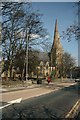
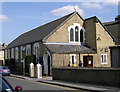
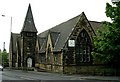
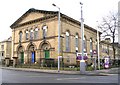
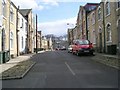
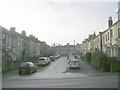
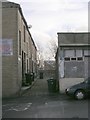
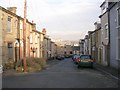
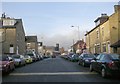
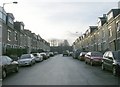
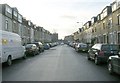
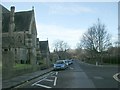
Area Information
Living in BD7 1NP means inhabiting a compact, densely populated residential cluster within the heart of Bradford’s City Ward. The area covers just 7,858 square metres, housing 2,051 people in a space where urban density is strikingly high. This postcode sits within the broader Bradford area, a historic city centre defined by its central urban boundaries. Daily life here is shaped by proximity to retail, transport, and educational hubs. The area’s small size means amenities are within easy reach, though the high population density underscores its role as a tightly knit community. With schools like Copthorne Primary School nearby and multiple railway stations within walking distance, BD7 1NP balances urban convenience with a sense of locality. Its position in the City of Bradford Metropolitan District Council’s electoral ward ties it to the region’s cultural and historical fabric, though the area itself is more about practical living than sprawling landscapes. For those seeking a compact, connected urban environment, BD7 1NP offers a mix of proximity and practicality.
- Area Type
- Postcode
- Area Size
- 7858 m²
- Population
- 2051
- Population Density
- 7622 people/km²
The property market in BD7 1NP is defined by a 40% home ownership rate, with houses making up the predominant accommodation type. This suggests a mix of owner-occupied and rental properties, though the small area size means the housing stock is limited. Given the high population density, properties are likely to be smaller or multi-occupied, reflecting the constraints of urban living. The focus on houses rather than flats or apartments may appeal to those seeking more space within a city setting. For buyers, the area’s compactness means competition for properties could be fierce, particularly near amenities like schools and transport links. However, the lack of large-scale development or planning constraints (such as AONB or protected sites) may offer opportunities for investment. Prospective buyers should consider the area’s proximity to retail and transport as key selling points, though the high density may limit availability of larger homes.
House Prices in BD7 1NP
Showing 1 properties
| Address | Type | Beds | Baths | Last Sale Price | Last Sale Date | |
|---|---|---|---|---|---|---|
| 3K Solutions Ltd, 3K Solutions At, 14 Shearbridge Road, Bradford, BD7 1NP | shop | - | - | - | - |
Energy Efficiency in BD7 1NP
Residents of BD7 1NP have access to a range of amenities within easy reach, enhancing daily life in this compact area. Retail options include major stores like Tesco Bradford, Asda Little, and Iceland Manningham, providing convenience for shopping and daily essentials. The proximity to five railway stations, such as Bradford Forster Square and Bradford Interchange, ensures easy access to public transport, supporting both local and long-distance travel. While the area lacks detailed information on parks or leisure facilities, the presence of schools and retail hubs suggests a focus on practical living over expansive recreational spaces. The density of amenities means residents can meet most needs without leaving the immediate vicinity, though the area’s small size may limit options for those seeking larger green spaces or cultural venues. The mix of retail and transport options creates a functional, urban lifestyle centred on accessibility.
Amenities
Schools
The nearest school to BD7 1NP is Copthorne Primary School, a primary school with an Ofsted rating of outstanding. This single school serves the area’s educational needs for younger children, though no secondary schools are listed in the data. The presence of an outstanding primary school is a significant advantage for families, offering high-quality early education. However, the absence of secondary school options within the immediate vicinity may require families to travel further for secondary education. The school’s rating indicates a strong focus on teaching standards and student outcomes, which could be a draw for homebuyers prioritising education. With no other schools mentioned, the area’s reliance on Copthorne Primary School underscores the need for broader transport links to access higher education facilities.
| Rank | School | Type | Entry gender | Ages |
|---|
Explore more schools in this area
Go to Schools tabDemographics
The community in BD7 1NP is predominantly composed of adults aged 30–64, with a median age of 22, reflecting a mix of younger and middle-aged residents. Home ownership here stands at 40%, suggesting a significant portion of the population rents rather than owns property. The accommodation type is primarily houses, which is unusual for a densely populated urban area. The predominant ethnic group is the Asian community, though specific subgroups are not detailed. With a population density of 261,014 people per square kilometre, living conditions are tightly packed, which may influence the character of the neighbourhood. The high density and focus on owner-occupied homes suggest a balance between long-term residents and those seeking affordable housing. However, the data does not indicate levels of deprivation, so quality of life factors like access to services and infrastructure must be inferred from the availability of schools, transport, and retail.
Household Size
Accommodation Type
Tenure
Ethnic Group
Religion
Household Composition
Age
Household Deprivation
NS-SEC
Explore more demographic insights in this area
Go to Demographics tabPlanning
Planning Constraints
- Flood RiskPremium
- Ramsar Wetland SitesPremium
- Area of Outstanding Natural BeautyPremium
- Protected Nature ReservePremium
- Protected WoodlandPremium