Area Overview for Staffordshire Moorlands District
Photos of Staffordshire Moorlands District
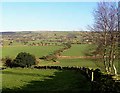
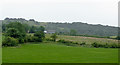
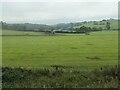
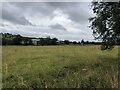
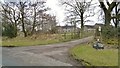
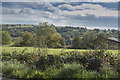
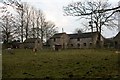
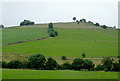
Area Information
Staffordshire Moorlands District covers a vast 576.3 km² on the western edge of the Peak District National Park. The landscape shifts from dramatic upland moorland in the north to gently rolling countryside in the south. Leek serves as the administrative centre, supported by historic market towns like Cheadle and Biddulph. These towns feature independent shops and traditional pubs that define daily life for residents. The area boasts a rich heritage, including the highest village in Britain, Flash, which stands 1,519 feet above sea level. Literary history is significant here, as Rudyard Kipling named himself after Rudyard Lake in the region. You will find landmarks such as St Giles Church in Cheadle, a Gothic Revival masterpiece by A.W.N. Pugin, and the rugged Roaches ridge popular with climbers. Alton Towers Resort sits within the district boundaries, adding to the local economy. The district encompasses 27 built-up areas, ranging from the market town of Cheadle to villages like Kingsley and Endon. Daily life blends access to major transport links with the quiet of industrial revolution history and natural scenery. ### The community within Staffordshire Moorlands District has a distinctly older population profile. The median age is 70, indicating that a large portion of the residents are seniors. This demographic skew suggests the area appeals to those seeking retirement or a slower pace of life. Home ownership is the dominant form of tenure, with 79% of properties owner-occupied. This high rate of ownership typically points to long-term residents rather than a transient rental market. The area includes woodland and nature reserves, influencing the character of the neighbourhoods surrounding facilities like Biddulph Grange Garden. You will find that household composition and accommodation types reflect this settled, older demographic structure. The low population density across the 576.3 km² means you will rarely encounter the high-density living found in major urban centres. ### The housing stock in Staffordshire Moorlands District reflects its high rate of permanent residency. With 79% home ownership, the market is primarily comprised of owner-occupied properties rather than private rentals. This statistic indicates that selling property here often means dealing with owners rather than landlords. The 27 built-up areas offer a range of housing choices, from stone houses in markets towns like Leek to cottages in rural villages like Alton. The prevalence of owner-occupancy suggests stable communities where families and retirees have established deep roots. You are less likely to find transient populations or short-term lettings in these neighbourhoods. The accommodation type data confirms a settled market where residents have likely lived in their homes for significant periods. This stability offers a reliable environment for buyers looking to settle into a new location. ### Digital connectivity presents a mixed picture for residents of Staffordshire Moorlands District. Mobile coverage scores as good, allowing for reliable communication on devices. However, fixed broadband quality scores as poor, which could impact your ability to work from home effectively. A slow internet connection may disrupt video calls or large file transfers if you rely on remote work. For daily travel, the district has accessible links despite its rural setting. You can reach the M6 motorway by a short drive, providing access to the wider UK network. Rail and air services are located nearby, offering options for commuting or longer journeys beyond the local area. While the central location provides these links, the poor broadband score remains a significant factor to consider before purchasing. ### Safety and environmental assessments reveal a generally secure living environment in Staffordshire Moorlands District. Crime risk scores as low, with a safety score of 72 out of 100, indicating below-average crime rates. You can expect a peaceful neighbourhood with fewer incidents compared to congested urban areas. Flood risk coverage also scores as low, presenting minimal threat to your property. However, there are planning constraints you must consider. The district contains protected nature reserves and protected woodland, which receive warning-level assessments. These areas restrict development and preserve the natural beauty of the land. You will findno Ramsar wetland sites or Areas of Outstanding Natural Beauty directly impacting residential zones, as those specific scores are zero. The overall safety score confirms a low-risk environment for daily life. ### Who are the typical residents and what is the community feel like in Staffordshire Moorlands District?The median age in Staffordshire Moorlands District is 70, meaning the community is predominantly older adults. The area has a high home ownership rate of 79%, suggesting a stable population with deep local roots. Settlements like Leek, Cheadle, and Biddulph offer traditional pubs and independent shops that foster a warm, local welcome for everyone. How do transport and connectivity compare for someone working from home in Staffordshire Moorlands District?Mobile network quality is good for personal use, but fixed broadband quality scores as poor. This slow internet speed may hinder effective remote work or video conferencing. Transport links are adequate, with the M6 motorway nearby and rail services accessible within a short drive from the district. Is Staffordshire Moorlands District safe to live in regarding crime and environmental factors?Safety is high, with crime risk rated low and a safety score of 72/100, placing it below the national average for crime. Environmental risks are minimal regarding flooding, but you must navigate planning constraints due to protected nature reserves and woodland that restrict building in specific scenic locations.
- Area Type
- District/Borough
- Area Size
- 576.3 km²
- Population
- Not available
- Population Density
- Not available
Demographics
The community within Staffordshire Moorlands District has a distinctly older population profile. The median age is 70, indicating that a large portion of the residents are seniors. This demographic skew suggests the area appeals to those seeking retirement or a slower pace of life. Home ownership is the dominant form of tenure, with 79% of properties owner-occupied. This high rate of ownership typically points to long-term residents rather than a transient rental market. The area includes woodland and nature reserves, influencing the character of the neighbourhoods surrounding facilities like Biddulph Grange Garden. You will find that household composition and accommodation types reflect this settled, older demographic structure. The low population density across the 576.3 km² means you will rarely encounter the high-density living found in major urban centres. ### The housing stock in Staffordshire Moorlands District reflects its high rate of permanent residency. With 79% home ownership, the market is primarily comprised of owner-occupied properties rather than private rentals. This statistic indicates that selling property here often means dealing with owners rather than landlords. The 27 built-up areas offer a range of housing choices, from stone houses in markets towns like Leek to cottages in rural villages like Alton. The prevalence of owner-occupancy suggests stable communities where families and retirees have established deep roots. You are less likely to find transient populations or short-term lettings in these neighbourhoods. The accommodation type data confirms a settled market where residents have likely lived in their homes for significant periods. This stability offers a reliable environment for buyers looking to settle into a new location. ### Digital connectivity presents a mixed picture for residents of Staffordshire Moorlands District. Mobile coverage scores as good, allowing for reliable communication on devices. However, fixed broadband quality scores as poor, which could impact your ability to work from home effectively. A slow internet connection may disrupt video calls or large file transfers if you rely on remote work. For daily travel, the district has accessible links despite its rural setting. You can reach the M6 motorway by a short drive, providing access to the wider UK network. Rail and air services are located nearby, offering options for commuting or longer journeys beyond the local area. While the central location provides these links, the poor broadband score remains a significant factor to consider before purchasing. ### Safety and environmental assessments reveal a generally secure living environment in Staffordshire Moorlands District. Crime risk scores as low, with a safety score of 72 out of 100, indicating below-average crime rates. You can expect a peaceful neighbourhood with fewer incidents compared to congested urban areas. Flood risk coverage also scores as low, presenting minimal threat to your property. However, there are planning constraints you must consider. The district contains protected nature reserves and protected woodland, which receive warning-level assessments. These areas restrict development and preserve the natural beauty of the land. You will findno Ramsar wetland sites or Areas of Outstanding Natural Beauty directly impacting residential zones, as those specific scores are zero. The overall safety score confirms a low-risk environment for daily life. ### Who are the typical residents and what is the community feel like in Staffordshire Moorlands District?The median age in Staffordshire Moorlands District is 70, meaning the community is predominantly older adults. The area has a high home ownership rate of 79%, suggesting a stable population with deep local roots. Settlements like Leek, Cheadle, and Biddulph offer traditional pubs and independent shops that foster a warm, local welcome for everyone. How do transport and connectivity compare for someone working from home in Staffordshire Moorlands District?Mobile network quality is good for personal use, but fixed broadband quality scores as poor. This slow internet speed may hinder effective remote work or video conferencing. Transport links are adequate, with the M6 motorway nearby and rail services accessible within a short drive from the district. Is Staffordshire Moorlands District safe to live in regarding crime and environmental factors?Safety is high, with crime risk rated low and a safety score of 72/100, placing it below the national average for crime. Environmental risks are minimal regarding flooding, but you must navigate planning constraints due to protected nature reserves and woodland that restrict building in specific scenic locations.
Household Size
Accommodation Type
Tenure
Ethnic Group
Religion
Household Composition
Age
Household Deprivation
NS-SEC
Explore more demographic insights in this area
Go to Demographics tabPlanning
Planning Constraints
- Flood RiskPremium
- Ramsar Wetland SitesPremium
- Area of Outstanding Natural BeautyPremium
- Protected Nature ReservePremium
- Protected WoodlandPremium
- Crime RiskPremium