Area Overview for PL7 1JP
Photos of PL7 1JP
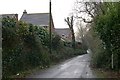
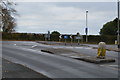
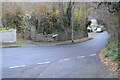
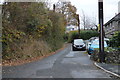
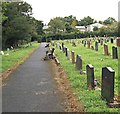

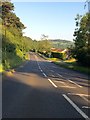
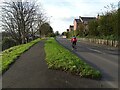
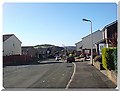
Area Information
Living in PL7 1JP offers a distinct residential experience within a small cluster of properties covering just 1.9 hectares. This compact postcode serves a specific community of 1,426 residents, creating an intimate neighbourhood feel. The area is defined by its residential focus rather than commercial development, making it a quiet spot for those seeking space without urban congestion. Prospective homebuyers will find this location appeals to individuals who value proximity to established town services while maintaining a private home environment. The population density is significant, reflecting a tightly knit community where neighbours are likely to know each other well. Daily life here revolves around the convenience of nearby facilities rather than the need for long commutes to distant retail parks or shopping districts. This area represents a practical choice for families or couples who want a straightforward, hazard-free living environment with immediate access to essential transport links. The character of PL7 1JP is firmly rooted in residential stability, avoiding the transient nature often found in larger, mixed-use developments. Anyone considering this address finds a setting where the built environment serves the people living here directly, without excessive commercial distraction.
- Area Type
- Postcode
- Area Size
- 1.9 hectares
- Population
- 1426
- Population Density
- 4722 people/km²
The property market in PL7 1JP reflects a highly established residential environment where ownership is the norm. Eighty per cent of residents own their homes, indicating that this postcode is dominated by owner-occupiers rather than landlords or young professionals renting short-term lettings. Houses are the main accommodation type available, meaning buyers looking for apartments or flats will find limited options within this specific address range. This high level of ownership typically translates to more stable neighbourhoods where houses are maintained with care by their owners. The area caters specifically to those seeking self-contained family or individual homes rather than shared living spaces. For buyers, the market here offers stability and a sense of permanent settlement. The focus on houses aligns with the broader demographic trends of older, settled residents. While the area is small, covering only 1.9 hectares, the housing stock is designed for private living rather than high-density living. Existing owners have likely shaped the character of the streets, ensuring that any new properties or renovations respect the existing residential pattern. This makes PL7 1JP a suitable choice for those prioritising a traditional single-family home environment.
House Prices in PL7 1JP
Showing 39 properties
| Address | Type | Beds | Baths | Last Sale Price | Last Sale Date | |
|---|---|---|---|---|---|---|
| 11 Broadlands Close, Plymouth, PL7 1JP | Semi-detached | 3 | 2 | £325,000 | Feb 2025 | |
| 35 Broadlands Close, Plymouth, PL7 1JP | Bungalow | 3 | - | £370,000 | Feb 2025 | |
| 32 Broadlands Close, Plymouth, PL7 1JP | Bungalow | 3 | 2 | £425,000 | Jan 2024 | |
| 19 Broadlands Close, Plymouth, PL7 1JP | Semi-detached | 4 | 1 | £275,000 | Nov 2023 | |
| 3 Broadlands Close, Plymouth, PL7 1JP | house | 3 | 1 | £297,500 | May 2022 | |
| 6 Broadlands Close, Plymouth, PL7 1JP | Semi-detached | 3 | 2 | £330,500 | Jan 2022 | |
| 23 Broadlands Close, Plymouth, PL7 1JP | Semi-detached | 3 | 2 | £242,000 | Jul 2017 | |
| 39 Broadlands Close, Plymouth, PL7 1JP | Semi-detached | 4 | 2 | £190,050 | May 2016 | |
| 37 Broadlands Close, Plymouth, PL7 1JP | Semi-detached | 3 | 1 | £217,000 | Jan 2016 | |
| 5 Broadlands Close, Plymouth, PL7 1JP | Semi-detached | 3 | - | £217,000 | Nov 2014 |
Energy Efficiency in PL7 1JP
Residents of PL7 1JP benefit from a wide range of amenities that sit just outside the immediate residential cluster. Five retail outlets are available nearby, including specific venues such as Co-op Chaddlewood, Tesco Plympton, and Iceland Plympton. These shops provide essential grocery and household needs without a long drive. Air travel access is available through Plymouth City Airport, which appears twice in the local amenity list due to its prominence. For coastal travel, five ferry services operate from nearby points, including Plymouth Mount Batten Ferry Landing, Plymouth Landing Stage, and Newton Ferrers Ferry Landing. Four railway stations serve the community, with Plymouth Railway Station, Devonport Railway Station, and Ivybridge Railway Station offering frequent public transport links. This proximity to retail, aviation, and maritime transport means daily errands and travel can be completed efficiently. The density of services ensures that life in PL7 1JP does not require extensive journeys to the nearest town centre. Commuters enjoy a variety of transport modes, while shoppers have immediate access to major supermarket chains and discount retailers. The lifestyle here balances the quiet of homes in the postcode with the convenience of essential services just a short distance away.
Amenities
Schools
Families living in PL7 1JP have specific educational options nearby, guided by the data available for this area. Yealmpstone Farm Primary School is the only educational institution listed for residences in this postcode. The school operates as a primary institution, serving children in the early stages of their education. Its Ofsted rating is good, which meets the standard required for a solid local educational facility. Because this is a primary school, residents with older children may need to look beyond this specific address for secondary education options. The presence of a single listed school suggests a quiet educational environment without the noise or traffic associated with larger schools. Parents relying on this address will find a school that has passed inspection standards, providing a baseline of educational quality. The concentration of one school nearby means families are not competing for places in multiple local institutions. For those residing in PL7 1JP, access to primary education is straightforward, with one option directly accounted for in the local data. This single-point focus simplifies planning for families moving to the area, although they must consider catchment areas for later schooling stages.
| Rank | School | Type | Entry gender | Ages |
|---|
Explore more schools in this area
Go to Schools tabDemographics
The community in PL7 1JP centres on older adults, with a median age of 47 years. The majority of residents fall within the 30 to 64 years age range, indicating a stable demographic rather than one dominated by children or retirees alone. Home ownership stands at 80 per cent, revealing an area where most people have purchased a home over time. This high rate of ownership suggests long-term stability and fewer short-term tenants moving through the postcode year after year. Houses form the primary accommodation type, confirming that flats or apartments are not the main feature of this residential cluster. The predominant ethnic group is White, reflecting the traditional demographic composition found in many established English neighbourhoods. With 75,332 people per square kilometre as the population density figure, the area remains distinctly residential despite its specific postcode designation. These demographics paint a picture of a settled community where residents are likely invested in their local surroundings. The age profile suggests a neighbourhood where quiet living is the norm, with fewer day-to-day disruptions compared to younger areas.
Household Size
Accommodation Type
Tenure
Ethnic Group
Religion
Household Composition
Age
Household Deprivation
NS-SEC
Explore more demographic insights in this area
Go to Demographics tabPlanning
Planning Constraints
- Flood RiskPremium
- Ramsar Wetland SitesPremium
- Area of Outstanding Natural BeautyPremium
- Protected Nature ReservePremium
- Protected WoodlandPremium