Area Overview for PL7 1JJ
Photos of PL7 1JJ
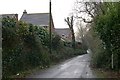
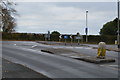
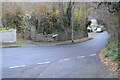
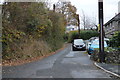
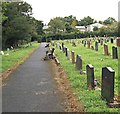

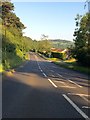
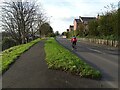
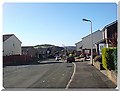
Area Information
Living in PL7 1JJ offers a settled residential experience within a compact footprint. This specific postcode covers a cluster of homes spanning just 3.4 hectares. You will find a community of 1,426 residents concentrated in this small space, creating a neighbourhood that feels close-knit without the chaos of a larger town centre. The area sits in England, positioned to provide quiet domestic life. Its small size means noise travels quickly, but it also fosters familiar surroundings where neighbours likely know one another. This density results in a population density of 41,780 people per square kilometre, indicating a fully built-out environment with limited new expansion potential. When you consider living in PL7 1JJ, you are choosing a defined locality rather than a sprawling district. The house count and lot size are fixed, giving you a stable setting to put down roots. Daily routines here rely on proximity to key services rather than long commutes across open land. You can walk to your weekly shop or catch a bus if one stops nearby. The distinct lack of green belts or undeveloped land within these boundaries defines the local character. It is a self-contained pocket of Tyrnford or nearby Plympton that suits those seeking a precise address rather than a broad region.
- Area Type
- Postcode
- Area Size
- 3.4 hectares
- Population
- 1426
- Population Density
- 4722 people/km²
The property market in PL7 1JJ is defined by stability and high demand for home ownership. With 80% of residents owning their properties, this is overwhelmingly an owner-occupied area rather than a rental zone. You will find that houses are the primary accommodation type, indicating a market focused on family-oriented or established living rather than new-build flats or short-term lettings. Because the area covers only 3.4 hectares, the inventory of available homes in PL7 1JJ is naturally limited. This scarcity makes it a competitive environment for those seeking to buy. Buyers looking at homes in PL7 1JJ should expect to find properties within a tight climbing or existing stock rather than new developments. The dominance of houses suggests that the immediate surroundings likely feature detached or semi-detached dwellings typical of this demographic profile. Rental yield opportunities are minimal, as the tenant pool is small compared to the resident population. This market structure benefits current owners through consistent occupancy rates and generally lower maintenance turnover. For investors, this area functions as a holiday home or retirement haven rather than a cash-flow asset. The lack of large estates or commercial leases hints at a uniform residential estate. Price negotiations remain sensitive because the supply of suitable properties is constrained by the small land area and the entrenched ownership pattern.
House Prices in PL7 1JJ
Showing 53 properties
| Address | Type | Beds | Baths | Last Sale Price | Last Sale Date | |
|---|---|---|---|---|---|---|
| 60 Lower Farm Road, Plymouth, PL7 1JJ | Bungalow | 4 | 2 | £455,000 | Jun 2025 | |
| 35 Lower Farm Road, Plymouth, PL7 1JJ | Detached | 5 | 1 | £440,000 | Feb 2025 | |
| 28 Lower Farm Road, Plymouth, PL7 1JJ | Bungalow | 3 | 2 | £368,000 | Feb 2025 | |
| 52 Lower Farm Road, Plymouth, PL7 1JJ | Bungalow | 3 | - | £365,000 | Mar 2021 | |
| 1 Lower Farm Road, Plymouth, PL7 1JJ | Bungalow | - | - | £240,000 | Mar 2021 | |
| 5 Lower Farm Road, Plymouth, PL7 1JJ | Bungalow | - | - | £365,000 | Dec 2020 | |
| 66 Lower Farm Road, Plymouth, PL7 1JJ | Detached | - | - | £370,000 | Aug 2020 | |
| 12 Lower Farm Road, Plymouth, PL7 1JJ | Bungalow | 3 | 1 | £290,000 | Mar 2019 | |
| 29 Lower Farm Road, Plymouth, PL7 1JJ | Detached | 4 | - | £327,000 | Jan 2017 | |
| 64 Lower Farm Road, Plymouth, PL7 1JJ | Detached | 4 | 1 | £290,000 | Dec 2016 |
Energy Efficiency in PL7 1JJ
Your daily lifestyle in PL7 1JJ revolves around immediate access to retail and maritime facilities. Five distinct shopping venues are within practical reach, specifically Co-op Chaddlewood, Tesco Plympton, and Iceland Plympton. These options cover your essential needs for groceries, daily products, and frozen foods without requiring a long journey. Transport links extend to Plymouth Railway Station, Ivybridge Railway Station, and Devonport Railway Station, offering frequent rail connections to central Devon and Cornwall. For leisure and travel, Plymouth City Airport serves as a convenient departure point for national holidays or business trips. Maritime enthusiasts can utilise Plymouth Mount Batten Ferry Landing, Plymouth Landing Stage, or Newton Ferrers Ferry Landing to access ports easily. This proximity to multiple ferry terminals adds a distinctive coastal element to your routine. You can combine a run at a local gym with a quick stop at Tesco or Iceland. The concentration of amenities within a small radius means you rarely need to venture far for daily errands. Living in PL7 1JJ offers convenience alongside the residential calm. You have the option to cook fresh food from the local Co-op or pick up household necessities from nearby stores. The presence of these specific chains indicates a well-serviced area despite its tiny geographical footprint. Your weekend plans could easily involve a boat landing visit or a train ride away.
Amenities
Schools
Families raising children in PL7 1JJ have access to a single identified educational institution nearby. Yealmpstone Farm Primary School stands as the nearest option, located in close proximity to the residential cluster. This school holds a Good rating from Ofsted, signifying a standard of education that meets government expectations. The singular presence of a primary school suggests that this area is situated on the periphery of a larger catchment zone or feeder network. Older children likely attend secondary schools in neighbouring towns or districts, as no secondary institutions are listed for PL7 1JJ itself. You must research transport links to those secondary schools once your family grows beyond primary age. The good rating at Yealmpstone Farm Primary School is a solid foundation for young learners in the postcode. It implies reliable teaching standards and a safe environment for younger students walking to class. Living in PL7 1JJ connects you directly to this inspected educational facility. While the immediate neighbourhood lacks high schools, the primary provision is adequate and positively rated. Parents should verify bus routes or walking times from their specific address to Yealmpstone Farm Primary School. The school's location also influences the value of surrounding properties, as homes within its catchment often attract premiums from families prioritising educational quality.
| Rank | School | Type | Entry gender | Ages |
|---|
Explore more schools in this area
Go to Schools tabDemographics
The community in PL7 1JJ reflects a mature demographic landscape. Eighty percent of households own their homes, meaning you will encounter long-standing residents rather than transient tenants. The median age of 47 confirms that the neighbourhood is inhabited by adults, with the most common age group falling between 30 and 64 years. This suggests a population of working families or empty nesters who have settled into stable routines. Accommodation types are predominantly houses, aligning with the high ownership rate and the desire for space in a small footprint. The predominant ethnic group is White, mirroring the broader demographic trends of many estable English residential areas. You are unlikely to find extreme diversity here, as the resident profile is homogenous. This stability creates an environment where community expectations and norms remain consistent over time. There is little evidence of rapid population turnover or shifting cultural dynamics within these specific postcode boundaries. The housing stock supports families who value property ownership and established neighbourhoods. Men and women in this age bracket form the backbone of this micro-community. Their presence dictates local spending habits, school needs, and the pace of local events. Living here means integrating into a predictable social structure where house prices and community values remain steady for the foreseeable future.
Household Size
Accommodation Type
Tenure
Ethnic Group
Religion
Household Composition
Age
Household Deprivation
NS-SEC
Explore more demographic insights in this area
Go to Demographics tabPlanning
Planning Constraints
- Flood RiskPremium
- Ramsar Wetland SitesPremium
- Area of Outstanding Natural BeautyPremium
- Protected Nature ReservePremium
- Protected WoodlandPremium