Area Overview for PL7 1PQ
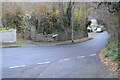
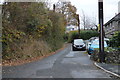
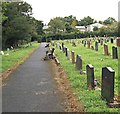
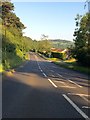
Photos of PL7 1PQ
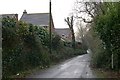
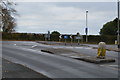

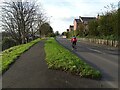
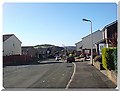
Area Information
Living in PL7 1PQ means settling into a tightly knit residential cluster of just 3.1 hectares. With a population of 1,378, this postcode offers a distinctly local atmosphere where neighbours are more than just passersby. The area is defined by its intense density, hosting 43,939 people per square kilometre, which creates immediate proximity to daily essentials without the sprawl of larger suburbs. This concentration suggests a neighbourhood designed for convenience where walking distance matters more than driving convenience. You are entering a specific slice of the PL7 postcode that prioritises established living over new developments. The small footprint means community cohesion remains strong, making it simple to know your surroundings. Daily life revolves around a moderate pace where local interactions define the experience. Whether you are commuting from here or simply enjoying a morning coffee, the tight-knit nature of PL7 1PQ ensures you remain anchored to your local street. It is a place where the slab of land you own connects you directly to a concentrated community rather than a sprawling metropolitan fringe. The limited size forces a reliance on the wider network of Plymouth for broader entertainment, while local life remains intimate and manageable. This specific cluster functions as a stable residential hub within the larger Plympton framework.
- Area Type
- Postcode
- Area Size
- 3.1 hectares
- Population
- 1378
- Population Density
- 3329 people/km²
The housing market in PL7 1PQ is characterised by a near-total dominance of household ownership. With 78% of residents owning their properties, the area operates as a classic owner-occupied market rather than a hub for transient renters. The accommodation type is strictly houses, meaning you will not find terraced flats or apartment blocks within this specific 3.1-hectare boundary. This uniformity in property type creates a consistent streetscape where standards of maintenance and extension work remain relatively uniform across the neighbourhood. For buyers seeking a home in PL7 1PQ, the priority shifts from finding an available rental to purchasing a freehold or leasehold house. The high ownership rate suggests property values are likely stable, driven by residents seeking to maintain their assets rather than speculate. There is a clear distinction here from newer urban developments where rental percentages often soar. If you are looking at homes in PL7 1PQ, expect a market where the inventory consists of occupied family homes that have been lived in for significant periods. This tenure structure often means higher price points relative to rental equivalents, as buyers are investing in equity and long-term security. The market dynamics reflect a community that views housing as a permanent home rather than a temporary stop. You will find fewer vacant properties and more homes undergoing gradual improvements to suit the long-term needs of existing owners.
House Prices in PL7 1PQ
Showing 55 properties
| Address | Type | Beds | Baths | Last Sale Price | Last Sale Date | |
|---|---|---|---|---|---|---|
| 16 Burniston Close, Plymouth, PL7 1PQ | Bungalow | 3 | 2 | £375,000 | Jun 2025 | |
| 4 Burniston Close, Plymouth, PL7 1PQ | Detached | 3 | 1 | £264,000 | Mar 2025 | |
| 42 Burniston Close, Plymouth, PL7 1PQ | Bungalow | 2 | 1 | £341,500 | May 2024 | |
| 22 Burniston Close, Plymouth, PL7 1PQ | Semi-detached | 4 | 2 | £295,000 | Dec 2023 | |
| 7 Burniston Close, Plymouth, PL7 1PQ | Semi-detached | 3 | 2 | £338,000 | Feb 2023 | |
| 52 Burniston Close, Plymouth, PL7 1PQ | Bungalow | 2 | 1 | £295,000 | Jan 2023 | |
| 27 Burniston Close, Plymouth, PL7 1PQ | house | 4 | 1 | £330,000 | Nov 2022 | |
| 10 Burniston Close, Plymouth, PL7 1PQ | house | 3 | - | £255,000 | Mar 2022 | |
| 41 Burniston Close, Plymouth, PL7 1PQ | Bungalow | - | - | £279,000 | Feb 2021 | |
| 47 Burniston Close, Plymouth, PL7 1PQ | Bungalow | 2 | 1 | £240,000 | Oct 2018 |
Energy Efficiency in PL7 1PQ
Life in PL7 1PQ is sustained by a network of amenities reachable within a short drive or walk to the wider Plympton hub. Retail needs are well-covered with five key locations nearby, most notably Co-op Chaddlewood, Tesco Plympton, and Iceland Plympton. These supermarkets provide a convenient base for grocery shopping, with fresh produce ready within minutes of your doorstep. Transport flexibility is another pillar of the lifestyle, supported by five ferry terminals including Plymouth Mount Batten Ferry Landing and Newton Ferrers Ferry Landing. These offerings allow for holiday getaways across the Tamar without booking trains. For urgent travel, four railway stations serve the region, with Plymouth Railway Station being the primary hub for city access. Plymouth City Airport and another instance of the same airport offer quick connections for business or leisure flights. The ferry network also extends to Plymouth Landing Stage, providing links to Penzance and other coastal towns. This blend of rail and sea transport creates a lifestyle where you can commute or travel widely without jetting off to distant stations. Daily errands are handled locally, while weekend trips are facilitated by the extensive transport grid. The presence of these facilities means isolation is not an option when you call Plymouth home. You can easily access major retailers or catch a train to London from the same postcode.
Amenities
Schools
| Rank | School | Type | Entry gender | Ages |
|---|
Explore more schools in this area
Go to Schools tabDemographics
The community within PL7 1PQ is defined by maturity and stability. The median age stands at 47, reflecting a population dominated by adults between 30 and 64 years old. This age profile indicates a neighbourhood where families with older children, retirees, and established professionals are the norm rather than recent graduates or young parents. Approximately 78% of the population owns their homes, signalling a deeply rooted community with low transient rates. This high ownership level contrasts sharply with rental markets elsewhere, suggesting residents have a vested long-term interest in their locale. The accommodation type is exclusively houses, offering private gardens and street-level autonomy rather than the shared spaces found in flat complexes. Diversity in ethnicity is led by a predominantly White demographic, which aligns with the established character of many traditional English suburbs. There are no signs of recent large-scale migration altering the social fabric of this specific postcode. The demographic data paints a picture of a settled group that values permanence. When you consider buying in PL7 1PQ, you are joining a cohort that has already made a significant investment in the area. The lack of young singles or renting cohorts shapes local demand and community events. This stability contributes to a quiet, predictable environment where the tempo of life reflects the maturity of the residents.
Household Size
Accommodation Type
Tenure
Ethnic Group
Religion
Household Composition
Age
Household Deprivation
NS-SEC
Explore more demographic insights in this area
Go to Demographics tabPlanning
Planning Constraints
- Flood RiskPremium
- Ramsar Wetland SitesPremium
- Area of Outstanding Natural BeautyPremium
- Protected Nature ReservePremium
- Protected WoodlandPremium