Area Overview for PL13 2JD
Photos of PL13 2JD
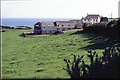
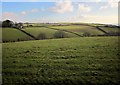
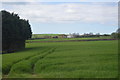
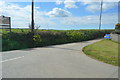
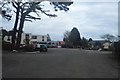
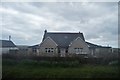
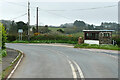
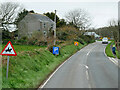
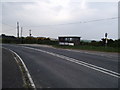
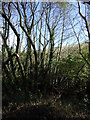
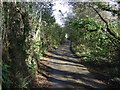
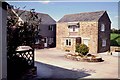
Area Information
Living in PL13 2JD means residing within a distinctly small residential cluster covering 57.5 hectares. This specific postcode area hosts a population of 1,201 people, resulting in a low density of 166 people per square kilometre. You will find yourself in a setting defined by its compact size and quiet atmosphere rather than urban sprawl. The area serves as a contained community where daily life moves at a measured pace. For those searching for homes in PL13 2JD, the environment offers a sense of space without the isolation of remote rural locations. The population figure indicates a stable local group rather than a rapidly expanding development zone. This cluster sits within the broader Cornwall landscape, providing a foothold for residents who prioritise tranquillity over city proximity. The small footprint ensures that neighbours are aware of one another, fostering a tight-knit social structure typical of smaller postcodes. If you value a settled neighbourhood with defined boundaries, this location delivers that clearly. The area represents a specific slice of Cornwall where the built environment remains manageable and intimate.
- Area Type
- Postcode
- Area Size
- 57.5 hectares
- Population
- 1201
- Population Density
- 166 people/km²
Homes in PL13 2JD reflect a market heavily skewed towards owner-occupation. With 75% ownership rates, you will find that the majority of properties are held by families or retirees who buy to stay rather than landlords seeking short-term lets. Houses dominate the accommodation type, meaning the housing stock consists largely of detached or semi-detached homes typical of the Cornish coastline. This contrasts sharply with urban areas where flats and shared ownership schemes are common. The high ownership figure implies stability and a community where residents have invested in their immediate environment. If you are looking to buy in this small area, expect competition from other private buyers rather than institutional investors. The nature of the housing suggests suitability for those seeking a permanent place to live rather than a transient rental market. This profile often correlates with higher price points due to the quality of the homes and the desire to own. You should prepare for a buyer-driven market where cash purchases and strong financial positions often secure deals. The focus on houses over flats limits inventory availability for anyone specifically searching for smaller, low-maintenance units.
House Prices in PL13 2JD
Showing 28 properties
| Address | Type | Beds | Baths | Last Sale Price | Last Sale Date | |
|---|---|---|---|---|---|---|
| Polkeeves, Sclerder Lane, Crumplehorn, PL13 2JD | Detached | 5 | 3 | £787,500 | May 2021 | |
| Briar Cottage, Sclerder Lane, Crumplehorn, PL13 2JD | Semi-detached | 3 | 2 | £272,000 | Dec 2020 | |
| Talland Lodge, Sclerder Lane, Crumplehorn, PL13 2JD | Detached | 4 | 5 | £525,000 | Jul 2019 | |
| Polpuckie, Sclerder Lane, Crumplehorn, PL13 2JD | Bungalow | - | - | £320,000 | Oct 2009 | |
| Newton House Residential Home, Sclerder Lane, Crumplehorn, PL13 2JD | Retirement | - | - | £380,000 | Jul 2002 | |
| Sunningdale, Sclerder Lane, Crumplehorn, PL13 2JD | Detached | - | - | £174,000 | Oct 2000 | |
| Polvenna, Sclerder Lane, Crumplehorn, PL13 2JD | Detached | - | - | £197,000 | Apr 2000 | |
| Brook Cottage, Newton Farm, Sclerder Lane, Crumplehorn, PL13 2JD | Terraced | - | - | - | - | |
| Meadow Cottage Newton Farm, Sclerder Lane, Crumplehorn, PL13 2JD | Terraced | - | - | - | - | |
| Springfield Annexe, Sclerder Lane, Crumplehorn, PL13 2JD | Flat | - | - | - | - |
Energy Efficiency in PL13 2JD
The lifestyle for residents of PL13 2JD is supported by a functional network of nearby amenities within practical reach. Retail options are maintained through five local stores, including a Spar, another Spar, and Co-op East. These shops provide essential groceries and daily necessities without requiring a long drive. For those who prefer rail travel, four stations serve the wider region, including Looe Railway Station, Sandplace Railway Station, and Causeland Railway Station. While not directly in the postcode, these stations offer access to coastal towns and broader transport links. Ferry access adds another layer of connectivity, with five landing points including Bodinnick Ferry Landing, Fowey Custom House Quay Ferry Landing, and Fowey Town Quay Ferry Landing. These locations facilitate travel across the estuary and to nearby villages. You can shop, travel by train, or take a boat ride within a reasonable distance. The combination of these facilities ensures that you do not feel cut off from wider services. Daily errands become manageable tasks rather than major excursions. The availability of these specific venues defines the convenience factor of living here.
Amenities
Schools
For families considering schools near PL13 2JD, your options are centred on two primary institutions. Polperro Community Primary School serves as a key facility for young children in the vicinity. You will also find Polperro Primary Academy listed alongside it, offering further primary education coverage for the local catchment. Both institutions operate as primary schools, meaning secondary education requires travel to a larger town outside this immediate postcode. The presence of these two academies indicates that the area supports early childhood and foundational education well. Parents living here typically plan for one of these two schools as their child's first educational setting. The concentration of primary schools suggests a strong emphasis on bringing children through their early years locally. However, the absence of named secondary schools in the immediate proximity means that older students will commute. You may need to check catchment boundaries carefully during the application process as places can be limited. These schools provide the essential educational framework for the resident families.
| Rank | School | Type | Entry gender | Ages |
|---|
Explore more schools in this area
Go to Schools tabDemographics
The community profile of PL13 2JD is dominated by adults aged between 30 and 64 years. The median age stands at 47, reflecting a mature demographic rather than a family-heavy or youth-focused zone. With 75% of the population in the age range of 30 to 64, you can expect a neighbourhood where working-age adults form the core of society. This age distribution suggests a population that has likely established careers and families during their early adulthood. Home Ownership levels are high, with three quarters of residents owning their property outright or via mortgage compared to renting. You will predominantly encounter Houses as the main accommodation type, indicating an area established for family living rather than high-density rentals. The predominant ethnic group is White, which mirrors national trends but emphasises a traditionally established community character. This demographic mix supports a lifestyle oriented towards stability and long-term residence. The majority of households can afford the costs associated with property maintenance and local services. Understanding these figures helps you gauge the typical needs of your potential neighbours.
Household Size
Accommodation Type
Tenure
Ethnic Group
Religion
Household Composition
Age
Household Deprivation
NS-SEC
Explore more demographic insights in this area
Go to Demographics tabPlanning
Planning Constraints
- Flood RiskPremium
- Ramsar Wetland SitesPremium
- Area of Outstanding Natural BeautyPremium
- Protected Nature ReservePremium
- Protected WoodlandPremium