Area Overview for Mid Sussex District
Photos of Mid Sussex District
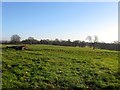
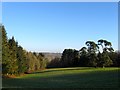
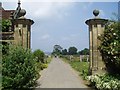
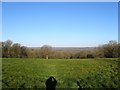

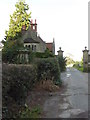
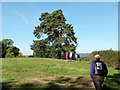
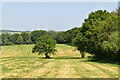
Area Information
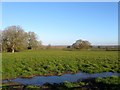
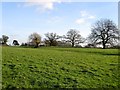
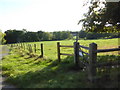
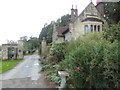
Mid Sussex District covers an expansive area of 334.1 km², offering a broad canvas for family life and countryside living. You will find a location defined by its significant space and established character rather than high-density urban sprawl. The district operates as a local authority unit, providing administrative stability and a framework for community services. Living in Mid Sussex District means navigating a landscape where proximity to green spaces often outweighs immediate access to city centre amenities. Your daily routine likely centres on local hubs, with travel to major employment centres requiring planned journeys rather than spontaneous commutes. The sheer size of the district encourages reliance on personal vehicles for most travel needs, as public transport penetration varies across the 334.1 km² footprint. Settling here involves embracing a pace of life where distances are part of the routine. You gain privacy and space in exchange for accepting that key destinations are not always within walking distance. The district offers a substantial setting for those who prioritise room to grow over the convenience of a compact ward.
- Area Type
- District/Borough
- Area Size
- 334.1 km²
- Population
- Not available
- Population Density
- Not available
Demographics
The community profile of Mid Sussex District reflects a settled population with specific structural characteristics. The median age of residents reaches 70, indicating a village-area demographic skewed towards older generations. You are looking at a neighbourhood where stability and longevity are common themes rather than the transient nature of city dwellings. Home ownership stands at 74%, which significantly influences the social fabric and stability of the district. This high rate suggests that most households have stayed put for considerable periods, knowing their properties well. The accommodation data supports this picture of a settled area, with ownership being the dominant living arrangement. While specific ethnic group and religious percentages are not detailed in the current records, the age and ownership statistics define the primary demographic identity. This profile means schools near Mid Sussex District often cater to younger families who may be moving in alongside long-standing residents. The high ownership rate contrasts sharply with typical London statistics, where rental markets dominate. You can expect a community where decisions regarding local services, from planning to maintenance, are deeply embedded in long-term residency.
Household Size
Accommodation Type
Tenure
Ethnic Group
Religion
Household Composition
Age
Household Deprivation
NS-SEC
Explore more demographic insights in this area
Go to Demographics tabPlanning
Planning Constraints
- Flood RiskPremium
- Ramsar Wetland SitesPremium
- Area of Outstanding Natural BeautyPremium
- Protected Nature ReservePremium
- Protected WoodlandPremium
- Crime RiskPremium