Area Overview for Preesall
Photos of Preesall
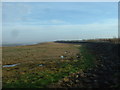
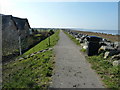
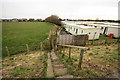
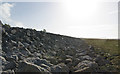
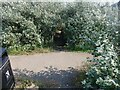
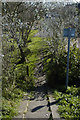
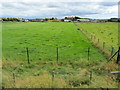
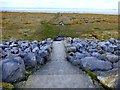
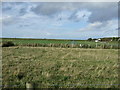
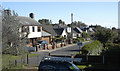
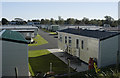
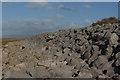
Area Information
Living in Preesall offers a distinctly rural experience within the civil parish, where the landscape defines daily life. The area covers 35.9 km², providing spacious grounds that are uncommon in more densely populated parts of England. You will find a community of 4,466 residents, a figure that suggests a relatively close-knit environment rather than an anonymous urban sprawl. This population density results in fewer neighbours on your doorstep, with approximately 3,133 people spread across every square kilometre. The setting caters to those seeking a slower pace without being entirely isolated. Your days here will centre on local amenities and the surrounding countryside. The parish structure ensures that governance remains focused on these specific local needs. Unlike larger towns, the character of Preesall is preserved through a lack of major industrial development or high-density housing blocks. You appreciate the open space and the quietude that comes with such a specific geographic footprint. This environment is suitable for individuals who value nature and lower noise levels. The small size of the parish means travel within the immediate aftermaths is minimal, yet the isolation highlights any lack of public transport services. You must accept this trade-off to enjoy the peace and open spaces that define this specific corner of England. The size of the area also means that properties often sit on larger plots, offering a genuine connection to the land. Your lifestyle here will be shaped by the balance between rural seclusion and essential services.
- Area Type
- Parish
- Area Size
- 35.9 km²
- Population
- 4466
- Population Density
- 3133 people/km²
Demographics
The community in Preesall reveals a mature demographic profile that differs significantly from national averages. The median age here stands at 70 years, indicating a population dominated by older residents. This statistic confirms that the area is not a hub for young families or recent graduates seeking their first purchase. You are likely to encounter neighbours who have lived in these homes for decades, contributing to a stable and established social fabric. The most common age range spans the total population, which reflects this broad skew towards later life stages. Home ownership drives the social economy, with 77% of residents owning their property outright or with a mortgage. This high ownership rate creates a stable resident base rather than a turnover-dependent rental market. Most households consist of individuals or couples, rather than large families with school-aged children. Accommodation types reflect this need, with layouts generally suited to older occupants rather than first-time buyers. The predominant ethnic group constitutes the bulk of the community, maintaining the traditional cultural character of the parish. Religion figures are not explicitly detailed in the current dataset, so the spiritual life of the area remains inferred from local tradition rather than visible data. This demographic mix means you will find a community focused on retirement and established living. The high age median also means local services cater heavily to the needs of the elderly. You should be prepared for a lived-in atmosphere where generations have rooted themselves.
Household Size
Accommodation Type
Tenure
Ethnic Group
Religion
Household Composition
Age
Household Deprivation
NS-SEC
Explore more demographic insights in this area
Go to Demographics tabPlanning
Planning Constraints
- Flood RiskPremium
- Ramsar Wetland SitesPremium
- Area of Outstanding Natural BeautyPremium
- Protected Nature ReservePremium
- Protected WoodlandPremium