Area Overview for Lancashire
Photos of Lancashire
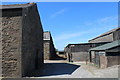
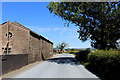
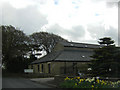
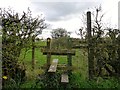
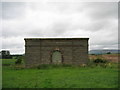
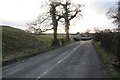
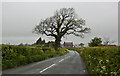
Area Information
Lancashire is a ceremonial county in North West England, defined under the Lieutenancies Act 1997. It covers an area of 3,265.4 square kilometres, blending urban centres with rural landscapes. You will find significant towns such as Preston, Blackburn, Burnley, and Lancaster within its boundaries. The region extends to include the Forest of Bowland and Ribble Valley, alongside Morecambe Bay. These locations border Cumbria, North Yorkshire, West Yorkshire, Greater Manchester, and Merseyside. This geographical diversity shapes daily life for residents differently across the county. Administrative structures have evolved over time, with Blackpool and Blackburn with Darwen becoming unitary authorities in 1998 while remaining ceremonially part of the county. The county gained territory like Barnoldswick from Yorkshire following the Local Government Act 1972. Living in Lancashire means navigating a landscape where historic administrative boundaries meet modern day-to-day realities. You might drive from a bustling market town directly into serene countryside within minutes. The area is large enough to offer varied experiences, from coastal walks along the bay to historic marketplaces in Preston. Understanding the composition of the region helps you choose a location that suits your specific needs. Whether you prefer the energy of Blackburn or the tranquility of the Bowland forests, distinct communities exist within the wider Lancashire framework. This ceremonial status persists today, supporting local governance and identity despite past administrative shifts.
- Area Type
- Ceremonial Counties Region
- Area Size
- 3265.4 km²
- Population
- Not available
- Population Density
- Not available
Demographics
The community profile in Lancashire reveals a mature population with a median age of 70 years old. This statistic indicates a significant proportion of elderly residents compared to other regions. Age profiles vary across the towns and rural villages that make up the county. You should expect older residents to be a dominant demographic group throughout many settlements. Household composition data is recorded but specific breakdowns for family types are not detailed in available records. Despite the demographic tilt toward older adults, the county maintains a stable residential outlook. Home ownership stands at 67 per cent across the region. This high level of ownership suggests a established housing market where long-term security prevails. Most properties are likely suited to individuals or older couples given the age context. Ethnicity and religious preferences are recorded in total categories but detailed breakdowns are not provided for specific groups. You can anticipate a traditional settlement pattern influenced by the age skew. Living in an area with such a high median age often means quieter streets and established neighbourhoods. Schools near the county towns may cater to specific family needs, though the overall population age suggests varied demand across different districts. The 67 per cent ownership figure is a key fact for anyone considering buying or selling. It signals that renter pressure is minimal compared to areas with younger demographics. This stability benefits long-term residents who value continuity and local integration.