Area Overview for L3 2BW
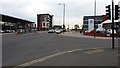
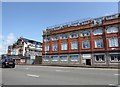
Photos of L3 2BW
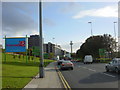
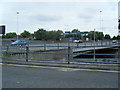
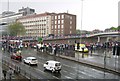
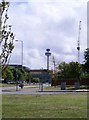
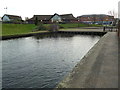
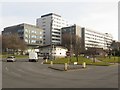
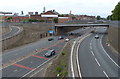
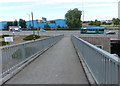


Area Information
Living in L3 2BW means being part of a densely populated, compact residential cluster in England. The area covers just 2,768 square metres, yet it hosts 3,677 residents, creating a high population density of 1.3 million people per square kilometre. This small postcode is defined by its proximity to transport hubs and retail amenities, making it a practical choice for those prioritising connectivity. The community is notably young, with a median age of 22 and the majority of residents aged 15–29. Daily life here is shaped by the availability of nearby rail stations, ferry terminals, and supermarkets like Tesco Liverpool. While the area lacks natural landscapes or protected sites, its strategic location offers quick access to urban infrastructure. The high density and flat-dominated housing stock suggest a transient or rental-focused demographic, though the low flood risk and absence of environmental constraints provide some reassurance for residents. For those seeking a compact, well-connected postcode with limited green space, L3 2BW offers a distinct blend of urban convenience and proximity to larger city amenities.
- Area Type
- Postcode
- Area Size
- 2768 m²
- Population
- 3677
- Population Density
- 21965 people/km²
The property market in L3 2BW is dominated by rental flats, with only 11% of residents owning their homes. This suggests a transient population, possibly linked to the area’s young demographic and proximity to educational or employment hubs. The high population density—over 1.3 million people per square kilometre—means housing stock is tightly packed, with little scope for expansion or new developments. Flats are the primary accommodation type, likely reflecting the area’s compact size and the practicality of shared or smaller units. For buyers, this presents limited opportunities for owner-occupation, as the market is not geared toward long-term residency. The small postcode area also means that property choices are confined to a narrow geographic footprint, with little variation in housing styles. Prospective buyers should consider whether the rental-focused nature of the area aligns with their goals, particularly if seeking a stable, long-term investment.
House Prices in L3 2BW
Showing 57 properties
| Address | Type | Beds | Baths | Last Sale Price | Last Sale Date | |
|---|---|---|---|---|---|---|
| 55, Adlington House, Adlington Street, Liverpool, L3 2BW | Flat | - | - | £100,000 | Jun 2024 | |
| 19, Adlington House, Adlington Street, Liverpool, L3 2BW | Flat | - | - | - | - | |
| 9, Adlington House, Adlington Street, Liverpool, L3 2BW | Flat | - | - | - | - | |
| 24, Adlington House, Adlington Street, Liverpool, L3 2BW | Flat | - | - | - | - | |
| 2, Adlington House, Adlington Street, Liverpool, L3 2BW | Flat | - | - | - | - | |
| 35, Adlington House, Adlington Street, Liverpool, L3 2BW | Flat | - | - | - | - | |
| 15, Adlington House, Adlington Street, Liverpool, L3 2BW | Flat | - | - | - | - | |
| 14, Adlington House, Adlington Street, Liverpool, L3 2BW | Flat | - | - | - | - | |
| 37, Adlington House, Adlington Street, Liverpool, L3 2BW | Flat | - | - | - | - | |
| 34, Adlington House, Adlington Street, Liverpool, L3 2BW | Flat | - | - | - | - |
Energy Efficiency in L3 2BW
Residents of L3 2BW have access to a range of retail and transport amenities within walking or short transit distance. Supermarkets like Tesco Liverpool and Co-op University of provide everyday shopping convenience, while multiple rail stations—such as Liverpool James Street and Moorfields—offer easy access to the city’s broader network. Ferry terminals, including Liverpool Isle of Man & Dublin Terminal, connect the area to maritime routes, adding to its transport versatility. The compact nature of the postcode means amenities are tightly clustered, reducing the need for long commutes. However, the area lacks significant green spaces or leisure facilities, with no protected natural sites nearby. The presence of multiple retail and transport hubs supports a practical, urban lifestyle, ideal for those prioritising convenience over expansive recreational options. Daily life here is defined by proximity to services, though residents may seek additional leisure opportunities beyond the immediate vicinity.
Amenities
Schools
| Rank | School | Type | Entry gender | Ages |
|---|
Explore more schools in this area
Go to Schools tabDemographics
The community in L3 2BW is overwhelmingly young, with a median age of 22 and 89% of residents falling within the 15–29 age range. This demographic skew suggests a population focused on education, early careers, or transient living. Home ownership is exceptionally low at 11%, indicating that most residents rent their accommodation. The area is dominated by flats, reflecting a housing stock tailored to smaller households or shared living. The predominant ethnic group is White, though specific diversity metrics are not provided. The high proportion of young adults influences the area’s character, with social dynamics likely centred around student life or entry-level employment. This age profile also means the community may lack the stability of older populations, with higher turnover rates. The combination of high population density and limited home ownership points to a rental market-driven area, where affordability and proximity to transport may outweigh long-term investment appeal.
Household Size
Accommodation Type
Tenure
Ethnic Group
Religion
Household Composition
Age
Household Deprivation
NS-SEC
Explore more demographic insights in this area
Go to Demographics tabPlanning
Planning Constraints
- Flood RiskPremium
- Ramsar Wetland SitesPremium
- Area of Outstanding Natural BeautyPremium
- Protected Nature ReservePremium
- Protected WoodlandPremium