Area Overview for L3 2BP
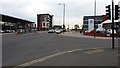
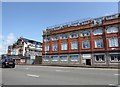
Photos of L3 2BP
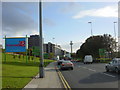
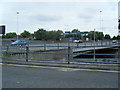
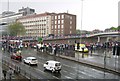
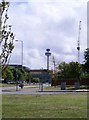
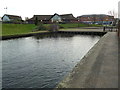
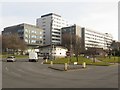
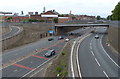
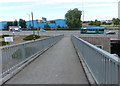


Area Information
Living in L3 2BP means inhabiting a tightly packed residential cluster in England, where 3,677 people reside across just 2,996 square metres. The area’s extreme population density—over 1.2 million people per square kilometre—reflects its compact nature, typical of urban postcode clusters. This is a young area, with a median age of 22 and the majority of residents aged 15–29. Daily life here is shaped by proximity to transport hubs and retail, with five nearby rail stations, three ferry terminals, and multiple supermarkets within reach. The housing stock is almost entirely flats, and just 11% of residents own their homes, suggesting a rental-dominated market. While the area lacks natural constraints like protected woodlands or wetlands, its high connectivity to Liverpool’s transport network and retail corridors makes it a practical choice for those prioritising convenience over space.
- Area Type
- Postcode
- Area Size
- 2996 m²
- Population
- 3677
- Population Density
- 21965 people/km²
The property market in L3 2BP is characterised by a near-total absence of owner-occupied homes, with just 11% of residents owning their flats. This suggests a rental market dominated by private landlords, with limited opportunities for long-term investment in property. The accommodation type is exclusively flats, reflecting the area’s compact footprint and high density. For buyers, this means the housing stock is unlikely to include detached homes or larger properties, and competition for flats may be intense due to the area’s small size. Proximity to transport links and retail could make it attractive for investors seeking rental income, but the lack of owner-occupation may indicate limited long-term stability for buyers.
House Prices in L3 2BP
Showing 84 properties
| Address | Type | Beds | Baths | Last Sale Price | Last Sale Date | |
|---|---|---|---|---|---|---|
| 77, Bispham House, Lace Street, Liverpool, L3 2BP | Flat | - | - | £97,000 | Sep 2025 | |
| 43, Bispham House, Lace Street, Liverpool, L3 2BP | Flat | - | - | £50,000 | Sep 2025 | |
| 14, Bispham House, Lace Street, Liverpool, L3 2BP | Flat | 2 | 1 | £63,000 | Sep 2025 | |
| 78, Bispham House, Lace Street, Liverpool, L3 2BP | Flat | 3 | 2 | £85,000 | Aug 2025 | |
| 34, Bispham House, Lace Street, Liverpool, L3 2BP | Flat | 1 | 1 | £52,000 | Oct 2024 | |
| 39, Bispham House, Lace Street, Liverpool, L3 2BP | Flat | 2 | 1 | £82,295 | May 2024 | |
| 3, Bispham House, Lace Street, Liverpool, L3 2BP | Flat | - | - | £40,000 | Aug 2023 | |
| 16, Bispham House, Lace Street, Liverpool, L3 2BP | Flat | 3 | 1 | £85,000 | Jul 2023 | |
| 5, Bispham House, Lace Street, Liverpool, L3 2BP | Flat | - | - | £75,000 | Jun 2023 | |
| 7, Bispham House, Lace Street, Liverpool, L3 2BP | Flat | 2 | 1 | £80,000 | Jun 2023 |
Energy Efficiency in L3 2BP
Life in L3 2BP is defined by proximity to retail and transport. Supermarkets such as Tesco Liverpool and Co-op University of are within practical reach, ensuring daily shopping needs are met. The area’s rail network includes Liverpool Central Loop Line and Moorfields Station, offering frequent connections to Liverpool’s city centre and beyond. Ferry terminals like Liverpool Isle of Man & Dublin Terminal provide access to maritime travel options. While the data does not mention parks or leisure facilities, the density of retail and transport suggests a lifestyle focused on convenience and connectivity. The compact nature of the area means amenities are closely clustered, though the lack of green spaces or recreational facilities may be a consideration for some residents.
Amenities
Schools
| Rank | School | Type | Entry gender | Ages |
|---|
Explore more schools in this area
Go to Schools tabDemographics
The community in L3 2BP is overwhelmingly young, with a median age of 22 and 73% of residents falling within the 15–29 age range. Only 11% of households are owner-occupied, indicating a rental-heavy market, and the accommodation type is almost exclusively flats. The predominant ethnic group is White, though specific diversity metrics are not provided. The high proportion of young adults suggests a transient population, possibly linked to student or workforce mobility. With such a small area and high density, social interactions are likely frequent, but the lack of data on deprivation means it is unclear how this affects quality of life. The age profile also implies a demand for short-term or flexible housing, aligning with the flat-dominated stock.
Household Size
Accommodation Type
Tenure
Ethnic Group
Religion
Household Composition
Age
Household Deprivation
NS-SEC
Explore more demographic insights in this area
Go to Demographics tabPlanning
Planning Constraints
- Flood RiskPremium
- Ramsar Wetland SitesPremium
- Area of Outstanding Natural BeautyPremium
- Protected Nature ReservePremium
- Protected WoodlandPremium