Area Overview for Waddington
Photos of Waddington
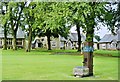
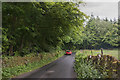
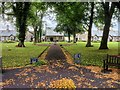
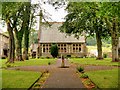
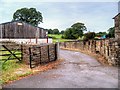
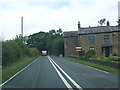
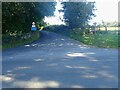
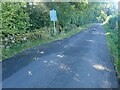
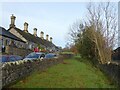
Area Information
Waddington is a small civil parish located in the Ribble Valley of Lancashire, covering an area of 8.4 km². The village sits approximately 2 miles north-west of Clitheroe within the Forest of Bowland, a designated rural landscape. You will find it characterised by its orderly, well-maintained appearance, a trait recognised through its consistent awards as the Lancashire Best Kept Village. The parish features a babbling brook and the Coronation Gardens, which contribute to its attractive natural setting within the pastoral countryside. A significant historical event occurred in 1465 when King Henry VI was sheltered at Waddington Hall before fleeing to Clitheroe. Today, the community functions as a traditional Lancashire village with a strong sense of place rooted in its historic landscape. The population stands at 1,028 based on the 2011 census, and the parish covers approximately 2,000 acres. You can explore areas including St Helen's Church and Waddington Old Hall, whose oldest parts date from the 11th century. Waddington Old Hall was renovated in 1901 by John Waddington using proceeds from South African gold mining investments. The village contains three public houses, a social club with a bowling green, and a playing field for cricket and football. Living in Waddington offers a distinct rural lifestyle defined by its proximity to natural landmarks and established social infrastructure.
- Area Type
- Parish
- Area Size
- 8.4 km²
- Population
- Not available
- Population Density
- Not available
Demographics
The community in Waddington displays a very specific demographic profile that reflects its rural nature. Your median age is 70, indicating a population predominantly composed of older residents. This aligns with the finding that the most common age range is simply listed as 'Age: Total', suggesting a lack of significant younger working-age populations compared to urban centres. Home ownership is extremely high, with 84% of residents owning their properties outright. This figure contrasts sharply with rental markets found in larger townships. The data does not specify the exact breakdown of household composition, accommodation types, predominant ethnic groups, or specific religious affiliations, but the overall picture suggests a stable, long-term community structure typical of historic villages. You will find a strong sense of place rooted in a historic landscape rather than a modern, transient employment hub. Deprivation levels are not quantified in the available statistics, but the high rate of home ownership usually correlates with financial stability among residents. With a population of 1,028, the village maintains an intimate community feel. This age profile means the social atmosphere is likely quiet and respectful, fitting for those seeking retirement or a peaceful countryside retreat rather than the vibrancy of a university town or commuter hub.
Household Size
Accommodation Type
Tenure
Ethnic Group
Religion
Household Composition
Age
Household Deprivation
NS-SEC
Explore more demographic insights in this area
Go to Demographics tabPlanning
Planning Constraints
- Flood RiskPremium
- Ramsar Wetland SitesPremium
- Area of Outstanding Natural BeautyPremium
- Protected Nature ReservePremium
- Protected WoodlandPremium
- Crime RiskPremium