Area Overview for Lincolnshire
Photos of Lincolnshire
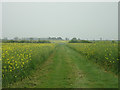
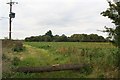

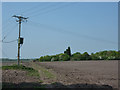

Area Information
Lincolnshire is a vast ceremonial county in the East Midlands region of England, covering 7,184.9 square kilometres. The area stretches from the Humber Estuary to the North Sea coast, featuring coastal plains, the chalk hills of the Lincolnshire Wolds, and fertile agricultural landscapes. This unique geography creates a distinctive living environment that blends working farmland with seaside leisure destinations. Lincoln, the cathedral city and county town, serves as the cultural and historic centre for the region. You can explore an extensive network of walking trails through the Wolds, which connect medieval churches and traditional villages. The southern part of the county includes popular seaside resorts such as Skegness, offering a contrast to the rural countryside found elsewhere. The coordinate location 53.184385068937054, -0.27857129797930663 places specific interests within the wider ceremonial boundaries. Living in Lincolnshire means accessing historical landmarks, including several impressive stately homes and castles built by wealthy landowners and royalty. The county maintains a strong connection to its agricultural heritage, hosted by institutions like the Lincolnshire Agricultural Show established in 1884. Whether you prefer rural tranquility or coastal holidays, the diverse terrain provides something concrete for different lifestyle preferences.
- Area Type
- Ceremonial Counties Region
- Area Size
- 7184.9 km²
- Population
- Not available
- Population Density
- Not available
Demographics
The community in Lincolnshire has a distinctly older demographic profile compared to other regions in England. The median age for residents is seventy years, indicating a population skewed significantly towards senior citizens. Historical patterns suggest that people in Lincolnshire tend to settle down and stay in their homes as they age. The high median age implies that the area attracts retirees seeking quieter, slower-paced environments rather than young families or a transient workforce. With a home ownership rate of sixty-seven per cent, residents are predominantly property owners rather than renters. This high rate suggests most households have settled locally and have established deep roots in their specific towns and villages. The county was already established as a lieutenancy area by 1890, reflecting long-standing community structures that have persisted over centuries. While specific data on ethnic diversity, religion, and detailed household composition is not provided in the available sources, the demographic focus clearly highlights an older, stable population. Living in this area means joining a community where long-term residency is the norm. You are entering a society defined by its longevity and the depth of local connections formed over generations.