Area Overview for Barry Community
Photos of Barry Community
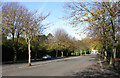
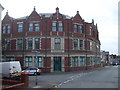

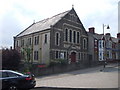
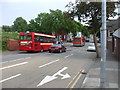
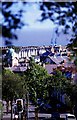
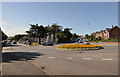
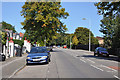
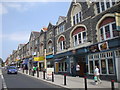
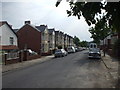
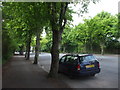
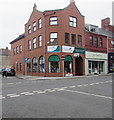
Area Information
Living in Barry Community means residing within a coastal parish in the Vale of Glamorgan, Wales. This civil parish covers an area of 19.8 square kilometres and supports a population of 39,843 residents. Although the modern administrative boundary encompasses only a small administrative division, the historic town of Barry incorporates former settlements like Cadoxton and Barry Island. You will find that the parish represents the core of what was once a much larger urban centre. The location sits in the Bristol Channel region, offering a distinct identity shaped by its maritime history. The settlement grew rapidly during the Industrial Revolution after the first dock basin opened in 1889. By 1913, the port operated as the world's largest coal-exporting facility. Today, the community defines itself through landmarks such as Barry Island Pleasure Park, which was established in 1897, and the historic Barry Castle ruins. Romilly Park and Cold Knap also feature within the landscape, adding green spaces to the urban grid. The town includes a library completed in 1908 with funding from Andrew Carnegie. Daily life blends industrial heritage with coastal leisure. The parish office and library remain significant civic structures. You will navigate an area where the railway once connected the South Wales Valleys to the docks. The modern village feels like a managed slice of a historic town, preserving the character of the original four-square plan while accommodating contemporary living. The parish boundaries may be small compared to the wider town, yet they contain the essential infrastructure and historic anecdotes that define the Barry experience.
- Area Type
- Parish
- Area Size
- 19.8 km²
- Population
- 39843
- Population Density
- 2015 people/km²
Demographics
The community within Barry Community reflects a distinct age profile with a median age of 70 years. This demographic structure indicates that the area houses a significant number of older residents compared to many other parts of the country. The most common age grouping in the census data spans the total population range without isolating a specific younger bracket. This implies you are likely to encounter a steady-going, experienced neighbourhood where long-term residents are well established. Home ownership stands as the dominant housing tenure model, with 73% of households owning their property outright or with a mortgage. This high ownership rate suggests a stable community where residents have deep roots rather than transient populations. You will find a traditional household composition aligned with this ownership level. The area prioritises settled living arrangements over temporary housing solutions. Regarding diversity, the predominant ethnicity is recorded in total aggregate figures, offering a baseline for the community's character. Religious affiliation is similarly captured in total statistics, reflecting the established nature of local congregations. These figures collectively paint a picture of a mature, owner-occupied parish where long-term settlement is the norm. The age skew towards 70 years signals a quiet, potentially slower-paced environment compared to areas with a youthful demographic.
Household Size
Accommodation Type
Tenure
Ethnic Group
Religion
Household Composition
Age
Household Deprivation
NS-SEC
Explore more demographic insights in this area
Go to Demographics tabPlanning
Planning Constraints
- Flood RiskPremium
- Ramsar Wetland SitesPremium
- Area of Outstanding Natural BeautyPremium
- Protected Nature ReservePremium
- Protected WoodlandPremium
- Crime RiskPremium