Area Overview for Mawr Community
Photos of Mawr Community

Area Information
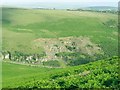
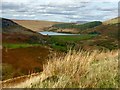
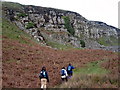
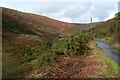
Mawr Community sits as a civil parish in Wales, covering a substantial 57.8 km². Living in this area means accepting a landscape defined by open space and significant rural characteristics. The parish lacks restrictive planning constraints such as Ramsar wetland sites or Designated Areas of Outstanding Natural Beauty, yet protected woodland features within the boundaries. This spatial layout offers residents considerable distances between specific locations compared to an urban centre. Daily life revolves around a quiet, low-density environment rather than the convenience of high street shopping or immediate public transport links. You will find the atmosphere distinctly peaceful, suitable for those prioritising privacy over proximity to city amenities. The absence of major protected nature reserves or flood risk zones suggests a stable environment for development, though the size of the parish implies you will need a vehicle for most non-local activities. Homes in Mawr Community appeal to people who value wide skies and open horizons above the pace of metropolitan living. It is a place where the weekend feels like a public holiday from the rush of ordinary life.
- Area Type
- Parish
- Area Size
- 57.8 km²
- Population
- Not available
- Population Density
- Not available
Demographics
The community in Mawr Community reflects a distinctly older population profile. The median age stands at 70, indicating that the vast majority of residents are seniors. Age demographics show a concentration in the older age bracket, shaping the rhythm of social life. Home ownership rates reach 81 per cent, meaning most households own their property outright or have a significant equity position. This high level of ownership contributes to a stable local voting bloc and a slower rate of household turnover. Household composition data confirms a community built around term residents rather than transient tenants. The low vacancy and rental fluctuations stem from this entrenched owner-occupied base. Accommodation types mirror the age profile, likely favouring bungalows or houses adapted for older mobility needs. You will find very little evidence of young families moving in, as the age structure does not typically attract new households forming. This demographic reality creates a specific social fabric where neighbours know each other from decades ago. Deprivation is not a primary characteristic here, given the wealth of home ownership suggests strong local finances.
Household Size
Accommodation Type
Tenure
Ethnic Group
Religion
Household Composition
Age
Household Deprivation
NS-SEC
Explore more demographic insights in this area
Go to Demographics tabPlanning
Planning Constraints
- Flood RiskPremium
- Ramsar Wetland SitesPremium
- Area of Outstanding Natural BeautyPremium
- Protected Nature ReservePremium
- Protected WoodlandPremium
- Crime RiskPremium