Area Overview for Rhondda
Photos of Rhondda
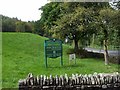
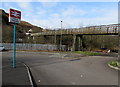
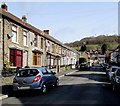
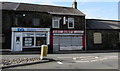
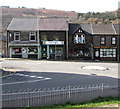
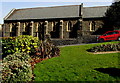

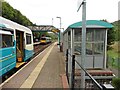
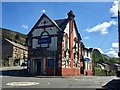
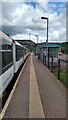
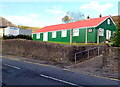
Area Information
Rhondda, a built-up area in Wales covering 2.8 km², offers a compact yet distinct living environment shaped by its historical and geographical context. With a median age of 70, the community here is predominantly older, reflecting a demographic profile that contrasts with many urban centres. The area’s character is defined by its proximity to rail networks, with five stations within practical reach, including Ystrad Rhondda and Llwynypia. Daily life in Rhondda is anchored by local amenities such as Spar and Asda Tonypandy, providing essential retail services. While the area lacks large-scale commercial hubs, its small size fosters a close-knit environment where residents can access key services without long commutes. For those considering living in Rhondda, the balance between accessibility and a quieter, more mature population may appeal to those seeking a settled, low-stress lifestyle. The presence of multiple primary schools, including Bodringallt and Gelli Primary Schools, ensures children have access to education options, though the exact quality of these institutions remains unquantified in the data. Rhondda’s compact footprint and established infrastructure make it a viable choice for buyers prioritising convenience over sprawling urban expansion.
- Area Type
- Built Up Area 250
- Area Size
- 2.8 km²
- Population
- Not available
- Population Density
- Not available
The lifestyle in Rhondda is shaped by its proximity to essential amenities, including five retail outlets such as Spar and Asda Tonypandy, which cater to daily shopping needs. The area’s rail stations provide access to broader regional networks, enabling residents to travel easily for work or leisure. While the data does not specify parks or leisure facilities, the presence of multiple schools and retail options suggests a focus on practicality over expansive recreational spaces. The compact nature of Rhondda means residents can access services without long journeys, contributing to a convenient, if modest, lifestyle. The community’s character is likely defined by its older demographic, with a slower pace of life and a reliance on established local services. For those prioritising accessibility and simplicity, Rhondda offers a straightforward living environment with minimal need for extensive travel.
Amenities
Schools
Rhondda is served by several primary schools, including Ynyscynon Nursery School, Bodringallt Primary School, Gelli Primary School, Llwynypia Primary School, and Pentre Primary School. These institutions provide educational options for young families in the area, though the data does not include Ofsted ratings or academic performance metrics. The presence of multiple primary schools suggests a network that may support different educational preferences or needs, though the exact quality of teaching and facilities remains unspecified. For families prioritising proximity to schools, Rhondda’s offerings are a practical consideration. However, the absence of secondary school data means those requiring further education may need to look beyond the immediate area. The mix of school types here is limited to primary education, which could be a factor for parents planning long-term schooling for their children.
| Rank | A + A* % | School | Type | Entry gender | Ages |
|---|---|---|---|---|---|
| 1 | N/A | Ynyscynon Nursery School | other | N/A | N/A |
| 2 | N/A | Bodringallt Primary School | other | N/A | N/A |
| 3 | N/A | Gelli Primary School | other | N/A | N/A |
| 4 | N/A | Llwynypia Primary School | other | N/A | N/A |
| 5 | N/A | Pentre Primary School | other | N/A | N/A |
Explore more schools in this area
Go to Schools tabDemographics
Rhondda’s population is predominantly composed of individuals aged 70 and above, with the most common age range encompassing the total population. This suggests a community that is largely elderly, which may influence local services and social dynamics. Home ownership in the area stands at 69%, indicating a significant proportion of residents own their properties, though the remaining 31% likely rely on rental housing. The data does not specify household composition or accommodation types, but the overall figures imply a mix of long-term residents and those in transient housing situations. The absence of detailed breakdowns on ethnicity or religion means the area’s cultural and religious diversity cannot be quantified. However, the high median age may correlate with a lower demand for childcare or younger family-oriented amenities, which could be a consideration for prospective buyers. The demographic profile here is clearly distinct, with a focus on older residents, which shapes the local economy and community needs.
Household Size
Accommodation Type
Tenure
Ethnic Group
Religion
Household Composition
Age
Household Deprivation
NS-SEC
Explore more demographic insights in this area
Go to Demographics tabPlanning
Planning Constraints
- Crime RiskLocked