Area Overview for Llwyn-y-pia Community
Photos of Llwyn-y-pia Community


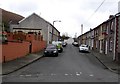
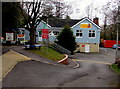

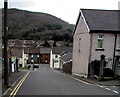
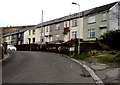
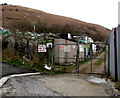
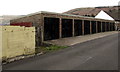
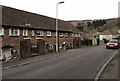
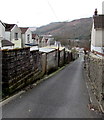
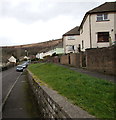
Area Information
Living in Llwyn-y-pia Community offers a grounded connection to Wales' industrial heritage within a landscape defined by the River Rhondda Fawr. This village, which forms a community and unitary electoral division, sits near Tonypandy in Rhondda Cynon Taf. You will find yourself on the edge of the historic Rhondda Fawr Valley, an area where the river changes direction from south-east to southerly. The settlement is compact in scale, covering just 3.0 km² yet harbouring a population of around 2,247 people. Its origins stretch back to the Bronze Age, with evidence of cairns and an Iron Age settlement at Hen Dre'r Gelli on Mynydd y Gelli. While farming dominated before 1850, coal prospecting initiated a dramatic population boom beginning in 1863 with the sinking of the Llwynypia No. 1 pit. The community retains the memory of this transformation, including the historically significant Glamorgan Colliery and the former workhouse, now Llwynypia Hospital. Daily life here echoes a history of resilience, from the early 20th century mining surge to the events of the 1910 Tonypandy Riots. You are living in a place where the physical environment reflects deep historical layers, offering a distinct sense of place that extends far beyond a typical residential postcode of CF40 2JR.
- Area Type
- Parish
- Area Size
- 3.0 km²
- Population
- Not available
- Population Density
- Not available
Demographics
The community profile of Llwyn-y-pia reflects a settled population with established roots in the area. The median age sits at 70 years, indicating a demographic skew towards older residents. This age structure is mirrored in the household composition figures, which show a population that is largely retired or semi-retired. Home ownership stands at 65%, meaning two-thirds of the residents have their own property, while the remaining third may rent or be unable to purchase. This high ownership rate suggests financial stability among the long-term residents, with many having inherited or purchased homes during the era of the population boom between 1860 and 1920. The accommodation type data confirms that the housing stock is predominantly owner-occupied. While specific breakdowns for household types and predominant ethnic groups are not detailed in the current records, the overall picture presents a homogeneous community accustomed to a slower pace of life. The 65% ownership figure implies that the local market operates with a strong base of existing homeowners rather than a transient rental sector. When considering living in Llwyn-y-pia, you are entering a neighbourhood where tradition and stability define the social fabric, characterised by a significant proportion of older inhabitants who have called this riverside village home for decades.
Household Size
Accommodation Type
Tenure
Ethnic Group
Religion
Household Composition
Age
Household Deprivation
NS-SEC
Explore more demographic insights in this area
Go to Demographics tabPlanning
Planning Constraints
- Flood RiskPremium
- Ramsar Wetland SitesPremium
- Area of Outstanding Natural BeautyPremium
- Protected Nature ReservePremium
- Protected WoodlandPremium
- Crime RiskPremium