Area Overview for East Williamston Community
Photos of East Williamston Community
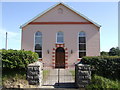

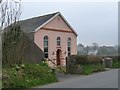


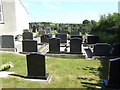
Area Information
East Williamston Community is a civil parish located in Wales, covering a total area of 6.9 square kilometres. You are looking at a settled locality where life moves at a considered pace rather than a fast one. The area functions as a traditional parish, offering a distinct sense of place for residents who value stability. Living in East Williamston Community means engaging with a territory defined by its settled character and clear boundaries. Prospective buyers interested in homes in East Williamston Community should understand that this is not an expanding town but a defined rural parish. The landscape and infrastructure are shaped by this long-standing status. You will find that daily life here revolves around local necessities within a compact footprint. The parish nature of East Williamston Community suggests a focus on local governance and community management. This is a place where the physical size directly influences the social structure and available amenities.
- Area Type
- Parish
- Area Size
- 6.9 km²
- Population
- Not available
- Population Density
- Not available
Demographics
The community profile of East Williamston Community reveals a predominantly older population. You will find that the median age stands at 70 years, indicating a significant shift away from a youthful demographic. Most residents fall within older age cohorts, which shapes the local services and social activities. With a home ownership rate of 78%, the vast majority of households in East Williamston Community live in properties they own outright or with a mortgage. This high percentage of ownership suggests a stable resident base with long-term ties to the parish. The data confirms that renting is a minority accommodation type compared to ownership. You should expect a neighbourhood where decisions regarding maintenance and improvement often rest with the owners themselves. The household composition reflects the needs of an older demographic, meaning support services and social clubs likely cater to retirees. Living in East Williamston Community involves navigating an elder-focused social fabric.
Household Size
Accommodation Type
Tenure
Ethnic Group
Religion
Household Composition
Age
Household Deprivation
NS-SEC
Explore more demographic insights in this area
Go to Demographics tabPlanning
Planning Constraints
- Flood RiskPremium
- Ramsar Wetland SitesPremium
- Area of Outstanding Natural BeautyPremium
- Protected Nature ReservePremium
- Protected WoodlandPremium
- Crime RiskPremium