Area Overview for Coedffranc Community
Photos of Coedffranc Community





Area Information
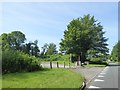
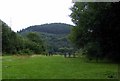
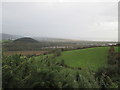
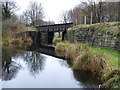
Living in Coedffranc Community offers a distinct experience within the county borough of Neath Port Talbot, Wales. This area functions as a civil parish with a population of 2,669 spread across 19.3 square kilometres. You will find the community anchored by specific settlements including Jersey Marine, Llandarcy, and Coed Darcy. Historical records indicate that Skewen, which encompasses Coedffranc, is recognised as the largest village in Wales, indicating a significant local presence. The central area features built-up residential zones and shopping streets, while the north includes farmland and woodland on Mynydd Drummau slopes. A 2011 census recorded a population of 9,053 for the extended village areas, though the current parish figure of 2,669 reflects a specific sub-area boundary. The local economy has deep historical roots in the Neath Abbey Ironworks and the Llandarcy oil refinery, which opened in 1920 and provided 3,000 jobs. Today, daily life in Coedffranc balances this industrial heritage with a more residential modern focus. Recent council activity, such as the publication of an annual report in 2021, shows ongoing local governance. Understanding the layout helps you navigate between the central village hub and the more rural fringes of the parish.
- Area Type
- Parish
- Area Size
- 19.3 km²
- Population
- 2669
- Population Density
- 138 people/km²
Demographics
The community in Coedffranc Community displays an older demographic profile compared to many national averages. Median age data indicates a figure of 70 years, meaning residents in this parish are, on average, significantly older than the typical young family market. Household composition records show data for the total population, while accommodation surveys cover total figures available. Home ownership stands at a high level of 82%, which suggests that most people living in Coedffranc have bought their property and are established in their current homes. This high ownership rate often correlates with a stable, long-term resident base rather than a transient population. While specific statistics on predominant ethnic groups, religion, and detailed household types are not explicitly detailed in the current dataset, the 82% ownership figure is a strong indicator of settlement stability. For you, this means a neighbourhood where long-term residents likely hold the community knowledge and political sway. The low rental ratio implies fewer short-term tenants filling local properties. The age structure implies services may be tailored differently than in a younger area. When you assess who lives in this area, the high home ownership percentage is the most reliable metric available to gauge the nature of the neighbourhood.
Household Size
Accommodation Type
Tenure
Ethnic Group
Religion
Household Composition
Age
Household Deprivation
NS-SEC
Explore more demographic insights in this area
Go to Demographics tabPlanning
Planning Constraints
- Flood RiskPremium
- Ramsar Wetland SitesPremium
- Area of Outstanding Natural BeautyPremium
- Protected Nature ReservePremium
- Protected WoodlandPremium
- Crime RiskPremium