Area Overview for Faenor Community
Photos of Faenor Community
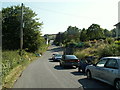
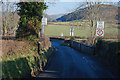
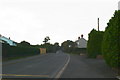
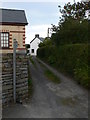
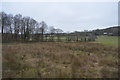
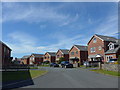
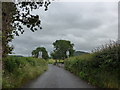
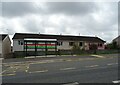
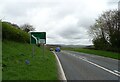



Area Information
Living in Faenor Community defines a distinctly rural existence within a civil parish in Wales. This area covers just 6.3 km², which limits the scope of the surrounding environment but concentrates the available amenities. You will find a setting governed by the clearance and preservation of local landscapes rather than the urban sprawl typical of larger towns. The community operates under its own administrative structure as a parish, giving it a specific identity separate from the wider counties. Your daily routine here revolves around a compact footprint where distance to local services is minimal, yet the broader context remains that of the Welsh countryside. There are no large commercial hubs within these specific boundaries, meaning your commute likely extends beyond the immediate parish limits. The sense of place is defined by its small size and administrative classification rather than population density or urban infrastructure. When you consider homes in Faenor Community, you are choosing a life far removed from metropolitan noise. This location suits those who prioritise space and quiet over immediate access to major city centres.
- Area Type
- Unitary Electoral Division
- Area Size
- 6.3 km²
- Population
- Not available
- Population Density
- Not available
Demographics
The demographic profile of Faenor Community reveals an established village character. The median age of residents is 70, indicating that this parish is home to a predominantly older population. Most households consist of individuals, suggesting that many residents live alone or that family units are less common here. This age structure often correlates with a slower pace of life and different community needs compared to family-centric areas. Home ownership stands at 71%, a figure that is characteristically high for rural parishes in Wales. Such a high rate suggests that many residents have lived in their homes for decades, having purchased them long ago. The accommodation types reflect this historical ownership pattern, with a stock likely dominated by older, single-family dwellings rather than modern purpose-built apartments. You will find that the community is not driven by rapid turnover or new development but by long-term residency. The demographic makeup points to a stable environment where people have deep roots rather than a transient population seeking temporary housing.
Household Size
Accommodation Type
Tenure
Ethnic Group
Religion
Household Composition
Age
Household Deprivation
NS-SEC
Explore more demographic insights in this area
Go to Demographics tabPlanning
Planning Constraints
- Flood RiskLocked
- Ramsar Wetland SitesLocked
- Area of Outstanding Natural BeautyLocked
- Protected Nature ReserveLocked
- Protected WoodlandLocked
- Crime RiskLocked