Area Overview for Llanarthney Community
Photos of Llanarthney Community
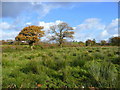
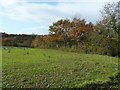
Area Information
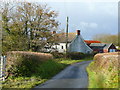
Living in Llanarthney Community offers a distinct character shaped by its status as a civil parish covering 27.9 km². This quiet stretch of Wales attracts those seeking a lifestyle far removed from urban density. You will find a space where daily life revolves around local rhythms rather than city schedules. The area's size provides enough room for privacy while maintaining a tangible connection to the surrounding countryside. Prospective buyers often choose this parish for its established, rural nature. You can expect a pace of life that prioritises tranquillity over convenience. The physical boundaries of the parish define a self-contained environment where residents know their neighbours. Standing in a garden here, you look out over land that has evolved over generations. The sheer scale of 27.9 square kilometres means there are no alleyways or overpasses, just open vistas. This setting suits individuals who want their views uninterrupted by modern infrastructure. You are buying into a traditional Welsh rural experience where sound is nature, not traffic. The definition of a civil parish influences how local governance functions, keeping matters localised. Living here means accepting a slower tempo in exchange for abundant green space. You trade city lights for starry nights. The area does not construct new malls or major arterial roads in this space. Instead, it offers a consistent backdrop of rolling landscapes. Your morning commute likely begins at a doorstep rather than a tube station. This area defines what rural living in Wales actually looks like. You find stability in every brick and every boundary fence within these limits.
- Area Type
- Parish
- Area Size
- 27.9 km²
- Population
- Not available
- Population Density
- Not available
Demographics
You will encounter an older demographic when you move to Llanarthney Community. The median age stands at 70 years, indicating a population heavily weighted towards retired residents. Age data categorises the total group rather than splitting it into further young adult brackets. This means children are rare, and you join a community made up largely of established seniors. Household composition reflects this reality, with fewer multi-generational families present. Home ownership reaches 80 per cent of all households. This high figure suggests stability, as most residents will have stayed in their homes for decades. The remaining 20 per cent often represent those who rent, possibly younger couples navigating a local market. Accommodation types vary, but they must suit older tastes. The area lacks the bounce of a youthful workforce, so you will not see a homeless youth or flashy new developments. Instead, you see the same houses for generations. Ethnic diversity is not highlighted because predominant ethnic group data is not provided for this area. Religion statistics are similarly absent from the available records. Deprivation indices are not listed, so you must judge quality of life by the high ownership rate. An 80 per cent ownership rate in a 70-year-old community signals financial security in the local housing stock. You are not buying into a changing city but a permanent residence for those settled here. The houses remain for those who wish to live close to friends and established routines.
Household Size
Accommodation Type
Tenure
Ethnic Group
Religion
Household Composition
Age
Household Deprivation
NS-SEC
Explore more demographic insights in this area
Go to Demographics tabPlanning
Planning Constraints
- Flood RiskPremium
- Ramsar Wetland SitesPremium
- Area of Outstanding Natural BeautyPremium
- Protected Nature ReservePremium
- Protected WoodlandPremium
- Crime RiskPremium