Area Overview for Trimsaran Community
Photos of Trimsaran Community
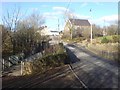
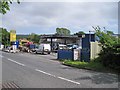
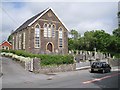
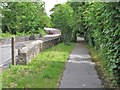
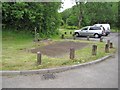
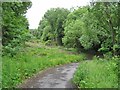
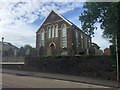
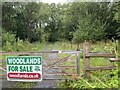
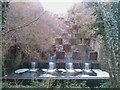
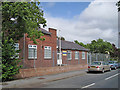
Area Information
Living in Trimsaran Community offers a distinct experience within the parish of Trimsaran in Wales. You are settling into an urban area defined by significant population density. The community covers just 19.9 km² yet houses 1,239 residents. This concentration results in a density of 907 people per square kilometre. Such figures indicate a tightly packed residential environment rather than spread-out countryside living. Daily life in Trimsaran Community involves navigating spaces where neighbours are inevitably close by due to land constraints. The civil parish structure provides a formal administrative boundary that organises these services and infrastructure. While the small geographical footprint suggests every plot is valuable, the high resident count means amenities must be efficiently located. You should expect a setting where the infrastructure supports a large number of households relative to the available land. The area is not rural in the traditional sense, despite being outside Cardiff city limits. Your daily commute and local journeys will unfold in a landscape where land use is intensive. This specific configuration defines the character of Trimsaran Community for anyone considering moving there.
- Area Type
- Parish
- Area Size
- 19.9 km²
- Population
- 1239
- Population Density
- 907 people/km²
Demographics
The demographic profile of Trimsaran Community reveals a population heavily skewed towards older residents. The median age stands at exactly 70 years. This indicates that living in Trimsaran Community is predominantly a retirement destination or a location for established families who have moved to settle down. No specific age range breakdown is provided beyond this median figure, so the diversity of younger demographics remains undefined by the data. You are not moving into a hub for young professionals or families with children based on these statistics. Home ownership is a defining feature of the area, with 70% of households owning their homes. This rate is substantially higher than the national average. The remaining 30% of the population likely consists of private renters or those sharing accommodation. The data does not specify household composition percentages between single-person, couple, or multi-generational homes. Nor does it detail predominant ethnic groups or religious affiliations. The absence of this breakdown means you cannot confirm the cultural or social diversity levels without further local knowledge. The high ownership rate, however, suggests community stability and long-term residents who are less likely to move.
Household Size
Accommodation Type
Tenure
Ethnic Group
Religion
Household Composition
Age
Household Deprivation
NS-SEC
Explore more demographic insights in this area
Go to Demographics tabPlanning
Planning Constraints
- Flood RiskPremium
- Ramsar Wetland SitesPremium
- Area of Outstanding Natural BeautyPremium
- Protected Nature ReservePremium
- Protected WoodlandPremium
- Crime RiskPremium