Area Overview for Ammanford Community
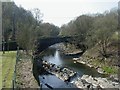
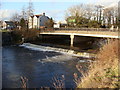
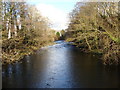
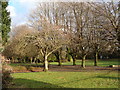
Photos of Ammanford Community
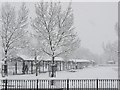

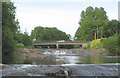
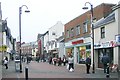
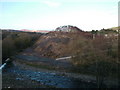
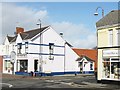
Area Information
Living in Ammanford Community offers a distinct experience for homebuyers seeking a parish life within Carmarthenshire. This small civil parish covers just 3.1 km², creating a compact setting where daily routines often centre on local familiarity rather than long commutes. You will find that your neighbours are likely peers, reflecting an area settled by older generations. The population demographics reveal a median age of 70, meaning the street scene and local shops cater to retirees rather than young families or commuters. This demographic reality defines the heartbeat of the parish; silence often replaces the bustle of a typical British town. You face a landscape where the past is preserved more rigorously than growth is encouraged. The area contains protected woodland, a feature that shapes the visual character of your potential garden or view from your driveway. There is no planning influence from Ramsar wetland sites or Areas of Outstanding Natural Beauty here, which simplifies the bureaucratic side of moving into homes in Ammanford Community. However, you must accept that this is not a growth market. The lack of conservation designations like AONB means development pressure is low, but so are the prospects for significant new infrastructure. Your life here will be quiet, defined by ownership rather than renting, and shaped entirely by the decisions of previous generations who chose stability over change. The community in Ammanford Community is defined by one clear fact: it is an area for the elderly. With a median age of 70, the population skews significantly older than the national average. This profile dictates who you will meet in the village hall or who you will share the school gates with if you do have young children nearby. Nearly 64% of residents own their homes outright, which indicates a community built on stability rather than tenancy. This high ownership rate suggests that many people have lived here long enough to pay off mortgages and settle into local routines. Household composition and accommodation types follow this pattern, with the vast majority of residents likely living in single-person households or empty-nester families. While specific breakdowns of household sizes are not detailed, the high home ownership level implies fewer short-term rentals or shared housing arrangements common in student or commuter towns. You should expect a demographic makeup where diversity is secondary to shared life experience and age. This creates a predictable environment where you know exactly what to expect from your neighbours, but you must recognise that the area is not designed for young professionals or growing families. The social fabric here is built on decades of residence, not transient workforces. Every claim about the community reflects this singular demographic truth. The property market in Ammanford Community is dominated by owner-occupiers. You will find that 64% of residents own their homes, a figure that highlights a stark departure from the high-rental markets found in major cities. This statistic tells you everything you need to know about buying property here. The housing stock is predominantly owned by those who have stayed in the area for decades. This creates a market where sellers are often older residents living in or near the homes they purchased years ago. When you look for accommodation in Ammanford Community, you are entering a market with low turnover. The area is not a landlord hotspot; it is a home for those who intend to stay. This stability means prices may reflect long-term equity builds rather than speculative investment potential. You will not find rows of identical rental flats or purpose-built student housing. Instead, the housing stock likely consists of traditional Welsh properties suited to the local retirement population. If you are planning to rent, you should expect a difficult time finding long-term tenancy options because the overwhelming majority choose to buy. For buyers, this environment offers peace of mind regarding tenancy security but presents challenges regarding availability. You might face competition from other retirees eyeing the same limited stock. The market operates on principle through ownership rather than the dynamics of the private rental sector. Understanding that nearly two-thirds of residents own their accommodation is the key to navigating what you will find. You are buying into a legacy of stability, not a hub of investment activity. Digital connectivity in Ammanford Community presents a mixed reality for modern living. Your mobile coverage score sits at 80 out of 100, which represents a good level of service for staying connected on the go. This means you would generally find reliable signal in your garden or while walking around the parish. However, your fixed broadband quality score is 46 out of 100, which falls into the category of poor or mediocre performance. This disparity is a critical factor for anyone considering working from home. While your phone will likely function well, your home internet connection may struggle during peak usage times or with bandwidth-intensive tasks. Streaming high-definition video or running large cloud-based projects might be frustrating experiences in a 3.1 km² area where fibre expansion is limited. You must factor this into your decision if remote work is part of your routine. Reliance on mobile hotspots could be a temporary solution, but it is rarely a sustainable long-term strategy for heavy users. For daily travel, the reliance on private transport is almost certain. With no mention of major motorway links and a focus on a small civil parish, public transport options for getting beyond the local village are likely minimal. Your ability to live here hinges entirely on the reliability of your home broadband and your willingness to spend time commuting by car for anything requiring significant infrastructure. The connectivity you enjoy is strong for social use but weak for professional high-speed demands. Environmental safety in Ammanford Community warrants careful attention, particularly regarding water and woodland. The area carries a warning level for flood risk, with a medium flood risk coverage score. This means you must be cautious if considering homes near watercourses or low-lying ground. The score of 12.55 out of 100 indicates that flooding is a genuine possibility that could impact property values or insurance premiums. You should check specific addresses for local drainage issues before committing to a purchase. Planning constraints tell a different story. The parish passes on Ramsar wetland sites, meaning no internationally protected wetlands complicate development. There are no Areas of Outstanding Natural Beauty covering the land, which removes one layer of strict planning restrictions from building new homes. Similarly, there is no protected nature reserve coverage within the parish boundaries. However, the area does contain protected woodland, which triggers a warning level assessment. This constraint limits how you can clear land or build extensions in wooded sections of your property. Crime risk data is currently unavailable as statistics are only published for areas in England. You cannot rely on official crime maps to gauge personal safety here. The absence of data does not mean the area is safe or unsafe; it simply means the information is missing from public records. You will need to rely on local reputation and word-of-mouth to assess neighbourhood security rather than government figures. The environmental risks are documented, but the social risks remain unknown. What is the age profile of people living in Ammanford Community?The median age in Ammanford Community is 70. This indicates that the majority of residents are elderly retirees rather than young families or working-age adults. The population is overwhelmingly older, which shapes the local services, shops, and social life in the parish. How reliable is the internet for working from home in Ammanford Community?Mobile coverage is good with a score of 80, but fixed broadband quality is poor at 46. Residents should expect struggles with high-speed home internet. Relying solely on fibre for heavy work tasks or streaming may not provide a stable connection. Are there any environmental risks I should worry about when buying a home here?Yes, the area has a medium flood risk coverage warning. While there are no Ramsar sites or Areas of Outstanding Natural Beauty, the parish does contain protected woodland which is a planning constraint. Flood risk is the primary environmental concern for potential buyers.
- Area Type
- Parish
- Area Size
- 3.1 km²
- Population
- Not available
- Population Density
- Not available
Demographics
The community in Ammanford Community is defined by one clear fact: it is an area for the elderly. With a median age of 70, the population skews significantly older than the national average. This profile dictates who you will meet in the village hall or who you will share the school gates with if you do have young children nearby. Nearly 64% of residents own their homes outright, which indicates a community built on stability rather than tenancy. This high ownership rate suggests that many people have lived here long enough to pay off mortgages and settle into local routines. Household composition and accommodation types follow this pattern, with the vast majority of residents likely living in single-person households or empty-nester families. While specific breakdowns of household sizes are not detailed, the high home ownership level implies fewer short-term rentals or shared housing arrangements common in student or commuter towns. You should expect a demographic makeup where diversity is secondary to shared life experience and age. This creates a predictable environment where you know exactly what to expect from your neighbours, but you must recognise that the area is not designed for young professionals or growing families. The social fabric here is built on decades of residence, not transient workforces. Every claim about the community reflects this singular demographic truth. The property market in Ammanford Community is dominated by owner-occupiers. You will find that 64% of residents own their homes, a figure that highlights a stark departure from the high-rental markets found in major cities. This statistic tells you everything you need to know about buying property here. The housing stock is predominantly owned by those who have stayed in the area for decades. This creates a market where sellers are often older residents living in or near the homes they purchased years ago. When you look for accommodation in Ammanford Community, you are entering a market with low turnover. The area is not a landlord hotspot; it is a home for those who intend to stay. This stability means prices may reflect long-term equity builds rather than speculative investment potential. You will not find rows of identical rental flats or purpose-built student housing. Instead, the housing stock likely consists of traditional Welsh properties suited to the local retirement population. If you are planning to rent, you should expect a difficult time finding long-term tenancy options because the overwhelming majority choose to buy. For buyers, this environment offers peace of mind regarding tenancy security but presents challenges regarding availability. You might face competition from other retirees eyeing the same limited stock. The market operates on principle through ownership rather than the dynamics of the private rental sector. Understanding that nearly two-thirds of residents own their accommodation is the key to navigating what you will find. You are buying into a legacy of stability, not a hub of investment activity. Digital connectivity in Ammanford Community presents a mixed reality for modern living. Your mobile coverage score sits at 80 out of 100, which represents a good level of service for staying connected on the go. This means you would generally find reliable signal in your garden or while walking around the parish. However, your fixed broadband quality score is 46 out of 100, which falls into the category of poor or mediocre performance. This disparity is a critical factor for anyone considering working from home. While your phone will likely function well, your home internet connection may struggle during peak usage times or with bandwidth-intensive tasks. Streaming high-definition video or running large cloud-based projects might be frustrating experiences in a 3.1 km² area where fibre expansion is limited. You must factor this into your decision if remote work is part of your routine. Reliance on mobile hotspots could be a temporary solution, but it is rarely a sustainable long-term strategy for heavy users. For daily travel, the reliance on private transport is almost certain. With no mention of major motorway links and a focus on a small civil parish, public transport options for getting beyond the local village are likely minimal. Your ability to live here hinges entirely on the reliability of your home broadband and your willingness to spend time commuting by car for anything requiring significant infrastructure. The connectivity you enjoy is strong for social use but weak for professional high-speed demands. Environmental safety in Ammanford Community warrants careful attention, particularly regarding water and woodland. The area carries a warning level for flood risk, with a medium flood risk coverage score. This means you must be cautious if considering homes near watercourses or low-lying ground. The score of 12.55 out of 100 indicates that flooding is a genuine possibility that could impact property values or insurance premiums. You should check specific addresses for local drainage issues before committing to a purchase. Planning constraints tell a different story. The parish passes on Ramsar wetland sites, meaning no internationally protected wetlands complicate development. There are no Areas of Outstanding Natural Beauty covering the land, which removes one layer of strict planning restrictions from building new homes. Similarly, there is no protected nature reserve coverage within the parish boundaries. However, the area does contain protected woodland, which triggers a warning level assessment. This constraint limits how you can clear land or build extensions in wooded sections of your property. Crime risk data is currently unavailable as statistics are only published for areas in England. You cannot rely on official crime maps to gauge personal safety here. The absence of data does not mean the area is safe or unsafe; it simply means the information is missing from public records. You will need to rely on local reputation and word-of-mouth to assess neighbourhood security rather than government figures. The environmental risks are documented, but the social risks remain unknown. What is the age profile of people living in Ammanford Community?The median age in Ammanford Community is 70. This indicates that the majority of residents are elderly retirees rather than young families or working-age adults. The population is overwhelmingly older, which shapes the local services, shops, and social life in the parish. How reliable is the internet for working from home in Ammanford Community?Mobile coverage is good with a score of 80, but fixed broadband quality is poor at 46. Residents should expect struggles with high-speed home internet. Relying solely on fibre for heavy work tasks or streaming may not provide a stable connection. Are there any environmental risks I should worry about when buying a home here?Yes, the area has a medium flood risk coverage warning. While there are no Ramsar sites or Areas of Outstanding Natural Beauty, the parish does contain protected woodland which is a planning constraint. Flood risk is the primary environmental concern for potential buyers.
Household Size
Accommodation Type
Tenure
Ethnic Group
Religion
Household Composition
Age
Household Deprivation
NS-SEC
Explore more demographic insights in this area
Go to Demographics tabPlanning
Planning Constraints
- Flood RiskPremium
- Ramsar Wetland SitesPremium
- Area of Outstanding Natural BeautyPremium
- Protected Nature ReservePremium
- Protected WoodlandPremium
- Crime RiskPremium