Area Overview for CF3 5NP
Photos of CF3 5NP
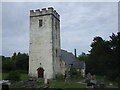
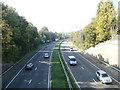
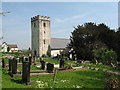
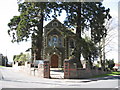
Area Information
CF3 5NP represents a specific residential cluster within the broader community of Llanrumney, an established suburb on the eastern edge of Cardiff. This postcode covers a small population of 1,720 people, creating a neighbourhood where daily life often revolves around local estates rather than a high street. The area is defined by its suburban character, having transformed from the rural lands of the historic Neuadd Llanrhymnu estate into a dense housing community. Residents here benefit from the transformation of 700 acres of parkland and former Tredegar Hunt grounds into modern streets of homes, a project completed by the Cardiff City Council in the early 1950s. Living in CF3 5NP means accessing the historic Llanrumney Hall, a Grade II* listed Elizabethan mansion now managed as a community hub, alongside the protected Rumney Recreation Ground. The area sits within the Llanrumney electoral ward, offering a sense of locality within the larger city. While the specific boundaries are small, the surrounding eastern districts of Cardiff provide a distinct alternative to the older terraced housing found elsewhere in the city. You are part of a community that successfully defended its local green spaces from proposed developments, ensuring access to outdoor areas remains a priority for current and future homeowners in this specific cluster.
- Area Type
- Postcode
- Area Size
- Not available
- Population
- 1720
- Population Density
- 5179 people/km²
Homes in CF3 5NP are exclusively houses, fitting the pattern of a suburban estate built to accommodate families rather than urban terraced housing. The area is not characterised by high-rise blocks or converted flats, meaning you can expect detached or semi-detached properties with private gardens. This housing stock reflects the 1950s construction phase where the city council purchased Llanrumney Hall and the surrounding land to create extensive streets of homes from scratch. The fact that only 34% of residents own their homes indicates that a significant portion of the 1,720 people living in this postcode reside in privately rented accommodation or are renting from the council. While half of the area is owner-occupied, the lower ratio compared to other boroughs suggests active rental activity might be common. This is typical of large post-war estates where the original council housing was allocated to residents who later sold, while new entrants to the market rent from landlords. When looking at properties near CF3 5NP, you are purchasing a home from a stock designed for families, avoiding the compact units or conversions common in central Cardiff.
House Prices in CF3 5NP
No properties found in this postcode.
Energy Efficiency in CF3 5NP
Living in CF3 5NP places you within reach of several key amenities, though the immediate postcode is residential by nature. You have access to five retail points within the zone, specifically Heron Llanrumney, Tesco Cardiff, and Iceland Llanrumney, which handle daily shopping needs for the entire cluster. Transport options are frequent, with five rail connections allowing quick access to Heath and Llanishen stations for wider city travel. Leisure and water-based activities are distinct features of the local lifestyle. The area is served by five ferry stops, including the Cardiff Castle Waterbus Stop, connecting residents to the Cardiff Arms Park and city centre via boat. One major bus interchange, the Cardiff Bus Interchange, is also within reach for those preferring road transport. The Eastern Leisure Centre, serving the community since 1982, is a significant hub for local groups and schools, although it sits slightly further out. These facilities, combined with the preserved Rumney Recreation Ground, provide non-commercial meeting points for physical activity and community events, ensuring a balanced lifestyle without mandatory reliance on commercial entertainment venues.
Amenities
Schools
Families living near CF3 5NP rely on two specific primary schools for their children's education. These are Glan-Yr-Afon Primary and St Cadoc's Primary School, both listed within the immediate locality of the postcode. There is no secondary school data provided for this specific cluster in the current information, meaning parents of older children may need to consider schools further afield or within adjacent wards. The presence of only primary-level institutions nearby suggests that catching up for education is handled within the small residential cluster, or families commute. The types listed for these schools are noted simply as "other," indicating they fall outside specific categorisations often used for dating or performance metrics in broader datasets. For those moving to CF3 5NP, the proximity of Glan-Yr-Afon Primary and St Cadoc's Primary School means young children have access to local education without the need for daily travel to the city centre. However, parents of teenagers must verify secondary placement options independently, as the provided data does not list any comprehensive or high schools directly in this small postcode.
| Rank | School | Type | Entry gender | Ages |
|---|
Explore more schools in this area
Go to Schools tabDemographics
The community in CF3 5NP is dominated by adults aged between 30 and 64 years, reflecting a stable, mid-life demographic. The median age for residents is 47 years, which suggests a population that has put down roots rather than a transient group. Housing age correlates with this profile, as 34% of households own their properties outright or through a mortgage, while the remaining residents likely rely on private rental arrangements. The accommodation type is primarily houses, consistent with the post-war council estates and private developments that make up the physical fabric of the postcode. Diversity is not a prominent feature of this specific snapshot, as White residents form the predominant ethnic group. This demographic profile aligns with the historical development of the area as middle-class suburban housing, contrasting with the denser populations found in older Cardiff districts. The age range of 30 to 64 years implies that many households will have active adult dependents or be approaching retirement, rather than focusing on young families or senior-only living. Understanding that 34% of residents own their homes provides context for the stability of the local population, suggesting a mix of long-term tenants and established owners rather than a purely speculative investment market.
Household Size
Accommodation Type
Tenure
Ethnic Group
Religion
Household Composition
Age
Household Deprivation
NS-SEC
Explore more demographic insights in this area
Go to Demographics tabPlanning
Planning Constraints
- Flood RiskPremium
- Ramsar Wetland SitesPremium
- Area of Outstanding Natural BeautyPremium
- Protected Nature ReservePremium
- Protected WoodlandPremium
- Crime RiskPremium