Area Overview for Llandaff Community
Photos of Llandaff Community
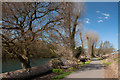
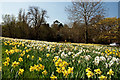
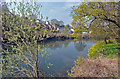
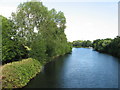
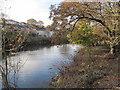
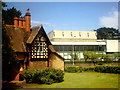
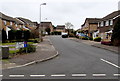
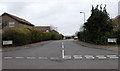
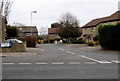
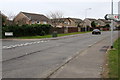
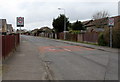
Area Information
Living in Llandaff Community offers a distinctive blend of village atmosphere and modern connectivity within a small urban footprint. This area spans just 2.6 km², located in the north of Cardiff, the capital of Wales. The name derives from the Welsh *Llandaf*, meaning church on the River Taff, reflecting its deep religious roots. You will find yourself in a district that centres on the historic seat of the Bishop of Llandaff. Incorporation into Cardiff occurred on 9 November 1922, yet the area retains much of its historical character. The postcode area includes CF5, which centres on coordinates approximately 51.4885°N, -3.2237°W. Daily life here feels situated between a countrified village location and an attractive residential suburb. The neighbourhood surrounds significant landmarks such as Llandaff Cathedral, which began construction in 1120 under Bishop Urban. You will encounter Insole Court, built in 1856 by coal merchant James Insole, and Howell's School for Girls, the oldest independent all-girls school in Wales. The presence of Rookwood House, now a Grade II* listed hospital, and the nearby BBC Wales Broadcasting House, adds to the area's notable features. This compact space combines a clean, green history with up-market positioning, making it a home for those who value heritage and proximity to the city.
- Area Type
- Parish
- Area Size
- 2.6 km²
- Population
- Not available
- Population Density
- Not available
Demographics
The community in Llandaff Community demonstrates a clear shift towards an older population. The median age stands at 70, with the most common age range encompassing the total population spectrum skewed heavily towards seniors. You are entering a neighbourhood where residents value stability and established homes. A remarkable 82% of households own their residences, indicating a staunchly owner-occupied environment with high levels of attachment to the property. This ownership rate contrasts sharply with typical new-build suburbs where tenancy might be more prevalent. The area maintains a consistent household composition across the total population, suggesting stability over rapid turnover. While the data points to a total demographic picture, the high ownership figure generally correlates with settled families and retired individuals. The accommodation types and ethnic diversity are represented within this total demographic profile, reflecting a cohesive community structure. Property deprivation is not explicitly highlighted in the available figures, allowing the area to present itself as a stable zone without overt signs of economic disadvantage. This stability is evident in the continued maintenance of historic buildings like Officials Court and the presence of long-standing institutions. The profile suggests a quiet retirement paradise rather than a bustling family zone, though the high ownership suggests many families choose to stay well after children have left home.
Household Size
Accommodation Type
Tenure
Ethnic Group
Religion
Household Composition
Age
Household Deprivation
NS-SEC
Explore more demographic insights in this area
Go to Demographics tabPlanning
Planning Constraints
- Flood RiskPremium
- Ramsar Wetland SitesPremium
- Area of Outstanding Natural BeautyPremium
- Protected Nature ReservePremium
- Protected WoodlandPremium
- Crime RiskPremium