Area Overview for Rudry Community
Photos of Rudry Community
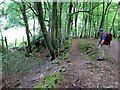
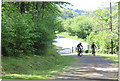
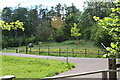
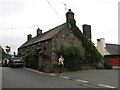
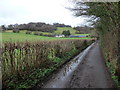
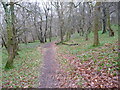
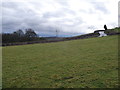
Area Information
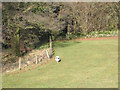
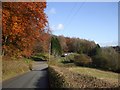
Living in Rudry Community offers a distinctively quiet existence within a civil parish that spans 23.5 km². This rural area sits to the east of Caerphilly in Wales, encompassing the settlements of Rudry, Draethen, Garth, and Waterloo. Historical records indicate the land was once known as Yr-Yw-Dre, or The Yew-tree Town, owing to the dense woodland that surrounded the region. St James' Church stands as a prominent landmark, dating back to at least the thirteenth century and serving as a wayside shrine for centuries. The community possesses a deep industrial heritage dating to the fourteenth century, when bell pits for coal and iron ore first appeared. Later developments included the Rudry Ironworks and brickworks during the nineteenth century, which shaped the local architecture. You will find period buildings such as the Starbuck Street cottages, constructed in 1890 specifically for pit workers. A local belief suggests Oliver Cromwell sought refuge at St James' during the Second English Civil War, adding another layer to the neighbourhood's character. The area includes significant historical sites like the Rudry Parish Hall, opened in 1957. This setting appeals to those seeking a connection with history and a slower pace of life away from urban density.
- Area Type
- Parish
- Area Size
- 23.5 km²
- Population
- Not available
- Population Density
- Not available
Demographics
The community profile reveals a settlement with a notably older population. The median age for residents is 70 years, indicating a very mature neighbourhood. This aligns with the high level of home ownership, which stands at 79%. Nearly four out of five households own their property outright or with a mortgage, suggesting long-term residents rather than transient populations. The demographic data reflects a stable environment where families and individuals have established deep roots over many years. Historical context supports this observation, as the village grew around industrial jobs that necessitated permanent housing stocks for workers and their families. While specific breakdowns for different age ranges within the 'Age: Total' category are not detailed, the central tendency points towards retirees or older working-age residents. The high ownership rate typically correlates with lower household turnover and a stronger sense of local belonging. You should expect a community where neighbours know each other over decades. This profile suits those who value stability and a traditional village atmosphere where property ownership is the norm rather than an exception.
Household Size
Accommodation Type
Tenure
Ethnic Group
Religion
Household Composition
Age
Household Deprivation
NS-SEC
Explore more demographic insights in this area
Go to Demographics tabPlanning
Planning Constraints
- Flood RiskPremium
- Ramsar Wetland SitesPremium
- Area of Outstanding Natural BeautyPremium
- Protected Nature ReservePremium
- Protected WoodlandPremium
- Crime RiskPremium