Area Overview for Pengam Community
Photos of Pengam Community
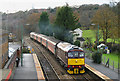
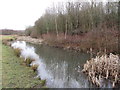
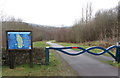
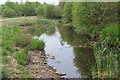
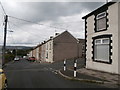
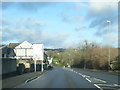
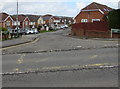
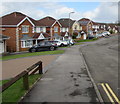
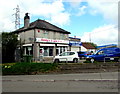
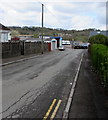
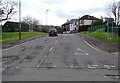
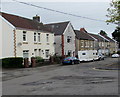
Area Information
Living in Pengam Community offers a distinct experience within the Welsh landscape. This civil parish covers a compact footprint of 2.3 km², creating a close-knit environment rather than a sprawling suburb. The area functions as a defined local unit, separate from the wider administrative boundaries but connected by rural connectivity. Daily life here revolves around the intrinsic nature of a small parish, where distances areshort and neighbours are likely well-known. You will find that the layout supports a slower pace, yet the lack of urban congestion means you do not sacrifice basic access to wider networks. The absence of large development sites within these boundaries preserves the character of the land, ensuring that the surroundings remain consistent with the typical rural Welsh setting. Prospective residents should appreciate the straightforward geography of this parish. There are no complex planning constraints involving major protected zones or water management sites that would typically complicate life in larger regions. Instead, the focus remains on the immediate environment and the quietude that defines such small administrative areas. When you consider homes in Pengam Community, you are buying into a space where the physical limits of the parish align with a desire for privacy. The area does not boast the amenities of a town centre, yet it provides the stable, grounded lifestyle that many seek in Wales. Understanding the scale of 2.3 km² helps you visualise the living space; it is not a large region, but it is spacious enough to offer breathing room without isolation from the rest of the county.
- Area Type
- Parish
- Area Size
- 2.3 km²
- Population
- Not available
- Population Density
- Not available
Demographics
The community in Pengam Community displays a clear demographic profile that aligns with many rural Welsh parishes. The median age sits at 70 years, indicating that the population is predominantly mature. When evaluating who lives here, you will notice a population skew heavily towards older residents. This statistic shapes the local culture, social groups, and available services, as the day-to-day activities cater to an older demographic. The most common age range spans the general total age profile, reinforcing that there are fewer families with young children or working-age adults in the main age brackets compared to the elderly. Home ownership stands at 63 per cent, which suggests a significant portion of residents own their property outright or have a substantial mortgage. This high rate contrasts with areas dominated by the private rental sector. The household composition reflects this stability, with fewer transient households present in the total count. Accommodation types generally mirror the needs of an older population, though specific data on building styles is not explicitly broken down in the provided figures. The lack of a younger median age hints at a quieter, perhaps less dynamic night-time economy compared to urban hubs. For you, this demographic reality means a community where neighbours are likely settled and long-term residents. It does not suggest a lack of vibrancy, but rather a specific type of social cohesion built over decades. Understanding that 63 per cent own their homes provides a clear signal of the area's housing tenure structure.
Household Size
Accommodation Type
Tenure
Ethnic Group
Religion
Household Composition
Age
Household Deprivation
NS-SEC
Explore more demographic insights in this area
Go to Demographics tabPlanning
Planning Constraints
- Flood RiskPremium
- Ramsar Wetland SitesPremium
- Area of Outstanding Natural BeautyPremium
- Protected Nature ReservePremium
- Protected WoodlandPremium
- Crime RiskPremium