Area Overview for Llanbradach and Pwllypant Community
Photos of Llanbradach and Pwllypant Community
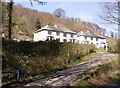
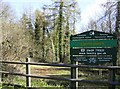
Area Information
Residents of Llanbradach and Pwllypant Community live in a civil parish spanning 5.7 square kilometres within Caerphilly County Borough. This historic settlement lies just under three miles north of Caerphilly town, carrying the legacy of Glamorgan's industrial past. You will find remnants of Llanbradach Colliery here, which operated from the 1890s until 1961. The area also holds the only surviving brick arch from the former Barry Railway viaduct, built around 1905 to transport coal. Pwllypant House stands as a notable feature, with origins dating partly to the 17th century and currently operating as a Toby Carvery. Daily life involves a quiet pace where you can walk along former railway lines or visit the original Llanbradach Workmen's Institute, constructed in 1913. The community offers a tangible connection to its working history through visible mine buildings and the repurposed Pwll-y-pant Viaduct structures. Living in Llanbradach and Pwllypant Community means embracing an area defined by its transition from coal mining to a settled parish life, anchored by specific landmarks rather than modern commercial high streets.
- Area Type
- Parish
- Area Size
- 5.7 km²
- Population
- Not available
- Population Density
- Not available
Demographics
The population living in Llanbradach and Pwllypant Community reflects a settled demographic profile with a significant proportion of older residents. The median age across the parish is 70 years, indicating a predominantly mature population. Age profiles in the area show that the total population skews heavily toward the older age brackets compared to many urban centres. You will find a high level of tenure security, with home ownership standing at 70 per cent of households. This figure suggests that most families have purchased their property rather than renting, creating a stable resident base. Household composition data indicates a total household population structure, though specific breakdowns into family units or single-person homes are not detailed in current records. The area does not specify predominant ethnic groups or religious affiliations in the available statistics, which is common for smaller rural parishes in South Wales. With 70 per cent of residents owning their homes, you are looking at a neighbourhood where long-term residents and families likely hold strong ties to the locality.
Household Size
Accommodation Type
Tenure
Ethnic Group
Religion
Household Composition
Age
Household Deprivation
NS-SEC
Explore more demographic insights in this area
Go to Demographics tabPlanning
Planning Constraints
- Flood RiskPremium
- Ramsar Wetland SitesPremium
- Area of Outstanding Natural BeautyPremium
- Protected Nature ReservePremium
- Protected WoodlandPremium
- Crime RiskPremium