Area Overview for Cefn Fforest Community
Photos of Cefn Fforest Community
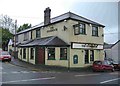
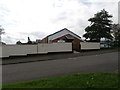
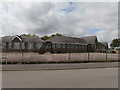
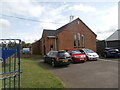
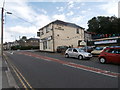
Area Information
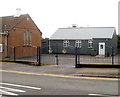
Cefn Fforest Community stands as the smallest of all communities in Wales by area, covering just 69.5 hectares. Located in the western fringes of Blackwood within Caerphilly County Borough, this civil parish sits on a hill crest between the Sirhowy and Rhymney Valleys. Although the name translates to wooded ridge, the landscape is now a wholly urbanised environment reflecting its origins. Built in 1915 as the Pengam Garden Village, the area was designed to house local miners and follows the model of Bournville. You will find a strong sense of community spirit rooted in this mining heritage, even though physical evidence of the coal industry has largely faded. Life here involves navigating a concrete landscape that was meticulously planned over a century ago. The Cefn Fforest Workingmens' Institute, which opened in 1932, remains a significant landmark and now serves the Cefn Fforest Rugby Football Club. Notable local figures include former professional boxer Nathan Cleverly. The community is compact by nature, offering residents a very close-knit feel that distinguishes it from broader suburbs. While the original purpose was industrial workforce accommodation, today it functions as a residential zone with specific local amenities. Schools near Cefn Fforest, such as Cefn Fforest Primary School, serve children from the early years through to primary age, ensuring education remains a central pillar for families choosing to live in this historic parish.
- Area Type
- Parish
- Area Size
- 69.5 hectares
- Population
- Not available
- Population Density
- Not available
Demographics
The residents of Cefn Fforest Community represent a distinct demographic profile compared to the wider nation. The median age for the area is 70, indicating a community skewed heavily towards older adults. The most common age range recorded is for the age total, suggesting a consistent elderly population throughout the parish. With 60 per cent of homes occupied by owners, the area retains a high level of stability typical of established residential zones. The remaining 40 per cent likely involves long-term tenants or residents with diverse tenure arrangements. Household composition reflects the needs of an ageing population, though specific breakdowns for single-person versus multi-generational homes are not detailed in the available statistics. Accommodation types vary, but the resident population is predominantly mature. You can expect a quieter atmosphere where neighbours have lived for many decades. The area does not show data on predominant ethnic groups or religious affiliations, meaning the community appears homogenous or data on diversification is not publicly available for this specific parish. This demographic reality means local services and facilities are likely tailored to an older demographic, with fewer young families potentially driving the local market. The high home ownership rate suggests many residents have chosen to stay rather than move out as their lives progressed.
Household Size
Accommodation Type
Tenure
Ethnic Group
Religion
Household Composition
Age
Household Deprivation
NS-SEC
Explore more demographic insights in this area
Go to Demographics tabPlanning
Planning Constraints
- Flood RiskPremium
- Ramsar Wetland SitesPremium
- Area of Outstanding Natural BeautyPremium
- Protected Nature ReservePremium
- Protected WoodlandPremium
- Crime RiskPremium