Area Overview for Van Community
Photos of Van Community
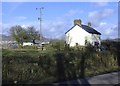
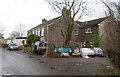
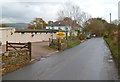
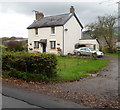
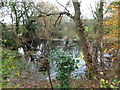
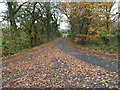
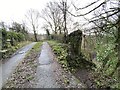
Area Information
Living in Van Community means residing in a civil parish that defines the eastern edge of Caerphilly town. You will find the area is characterised by large post-war housing estates such as Lansbury Park, Porset Park, Castle Park, Mornington Meadows and Badgers Wood. These planned communities dominate the landscape, offering mostly residential properties rather than the mixed urban feel found in city centres. The parish covers an area size of 3.1 km², providing a compact environment where daily errands are accessible while maintaining a distinct suburban identity. You will notice the historical presence of Van Castle, a 16th-century manor house also known as The Van, which sits within gardens listed on the Cadw register. Residents often enjoy views of the nearby Caerphilly Castle from their homes, connecting their postcode to the region's medieval heritage. The area includes amenities like St James primary school and The Fisherman's Rest public house, which serve local needs. Despite its scale, Van remains closely linked to Caerphilly town, balancing quiet residential streets with the convenience of being near a hub for services and employment.
- Area Type
- Parish
- Area Size
- 3.1 km²
- Population
- Not available
- Population Density
- Not available
Demographics
The community in Van Community reflects an established and mature population with a median age of 70. This demographic profile suggests the area attracts families with older children and retirees who have chosen to settle down. The highest concentration of residents falls into the Total age range category, indicating a balanced spread across various life stages despite the high median. Home ownership stands at 57%, meaning more than half of the households in Van Community own their homes outright rather than renting. This high level of tenure points to long-term residents who often stay within the parish for many years. Household composition data confirms that the total population density supports a stable community structure without significant transient populations. You will find the accommodation types are predominantly standard residential homes suited to the post-war estate layouts. The area does not highlight specific predominant ethnic groups or religious breakdowns in the current data, suggesting a fairly homogenous population perhaps shaped by its post-war development history. For buyers seeking stability, the 57% ownership rate offers evidence of a settled neighbourhood where neighbours are likely to remain in place.
Household Size
Accommodation Type
Tenure
Ethnic Group
Religion
Household Composition
Age
Household Deprivation
NS-SEC
Explore more demographic insights in this area
Go to Demographics tabPlanning
Planning Constraints
- Flood RiskPremium
- Ramsar Wetland SitesPremium
- Area of Outstanding Natural BeautyPremium
- Protected Nature ReservePremium
- Protected WoodlandPremium
- Crime RiskPremium