Area Overview for Cwm Community
Photos of Cwm Community

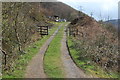
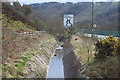
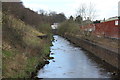
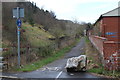
Area Information
Cwm Community is a civil parish located in Wales, covering an area of 10.0 km². Living in Cwm Community involves navigating a relatively compact settlement where residents enjoy a specific rural character. The parish definition suggests a small administrative unit with established local boundaries. You will find yourself in a space defined by its size, which limits the density of development. This makes the location distinct from larger towns or urban centres. The area size means that daily commutes depend heavily on road infrastructure outside the parish limits. Homes in Cwm Community reflect the settlement's long history and current demographics. Prospective buyers visit this parish knowing they are entering a defined geographical entity with clear planning boundaries. The 10.0 km² footprint means that public services and amenities stretch over a notable distance. You situate yourself within a recognized civil parish that holds specific land management responsibilities. The character of this Welsh parish offers a self-contained environment where the scale of the community matches the physical land. Residents appreciate the clarity of their location within the wider administrative structure of Wales. This area represents a specific place where the land and the people coexist within a 10 square kilometre perimeter. Understanding the parish limits helps you grasp the extent of local governance and community identity. Thinking about the 10.0 km² area gives you a realistic view of the space available. You are not buying into a sprawling district but into a defined, manageable piece of Wales. The name Cwm Community serves as a clear marker for anyone researching homes in this specific parish.
- Area Type
- Parish
- Area Size
- 10.0 km²
- Population
- Not available
- Population Density
- Not available
Demographics
People living in Cwm Community generally belong to an older demographic profile. The median age stands at 70, indicating a mature population where families are less common than in urban areas. Most commonly, the age distribution centres on the total population bracket, reflecting this high median figure. You should expect a community where residents have lived in the area for many years. Home ownership reaches 67% across households in Cwm Community. This high level of ownership suggests stability and long-term residency rather than a transient rental market. Household composition aligns with the age data, showing fewer young people compared to national averages. Accommodation types in the parish reflect the needs of this older population. Ethnic diversity follows the total predominance seen across the parish without specific breakdowns provided in standard records. Religion figures similarly remain undefined by specific split data for the area. Deprivation levels are not calculated for this Welsh parish in the same way as some other regions. Instead, the demographic picture paints a scenario of settled, older residents. Living in Cwm Community means joining a society where the householder is often retired or semi-retired. The 67% ownership rate confirms that property acts as a permanent fixture for the majority. With a median age of 70, the local licence is dominated by older generations. Small flat types are likely supplemented by larger family homes or lodges suitable for senior living. Homes in Cwm Community cater to those seeking quiet retirement or established local roots.
Household Size
Accommodation Type
Tenure
Ethnic Group
Religion
Household Composition
Age
Household Deprivation
NS-SEC
Explore more demographic insights in this area
Go to Demographics tabPlanning
Planning Constraints
- Flood RiskPremium
- Ramsar Wetland SitesPremium
- Area of Outstanding Natural BeautyPremium
- Protected Nature ReservePremium
- Protected WoodlandPremium
- Crime RiskPremium