Area Overview for Milngavie
Photos of Milngavie

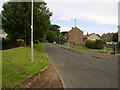
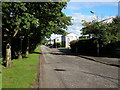
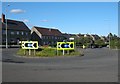
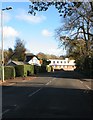

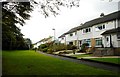
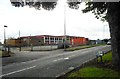
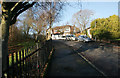
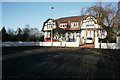
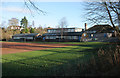
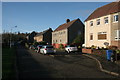
Area Information
Milngavie stands as a distinct built-up area within Greater Glasgow, covering a compact footprint of 4.0 square kilometres. This small but significant locality offers a high density of homes for those seeking an urban feel without the sprawl of larger city centres. Living in Milngavie means residing in a space where every home is relatively close to another, creating an immediate sense of community cohesion. The area functions efficiently as a local hub, with its limited size ensuring that essential services remain within easy walking or cycling distance. Residents typically value the balance between proximity to Glasgow and the ability to maintain a self-contained household life. The physical boundaries of the 4.0 km² zone define a neighbourhood where daily routines rely on local infrastructure rather than long commutes. This concentration allows for a manageable lifestyle where shops, transport links, and green spaces are integrated into the daily fabric of the area. Homebuyers draw to Milngavie for this clear definition of space, knowing exactly what they are purchasing in terms of real estate and neighbourhood character. The area does not claim to be vast, but it delivers a concentrated living experience that appeals to those who prioritise density and accessibility over expansive terrain.
- Area Type
- Built Up Area 250
- Area Size
- 4.0 km²
- Population
- Not available
- Population Density
- Not available
Daily life in Milngavie revolves around a convenient access to essential amenities located just minutes away. Residents enjoy high-street shopping at Spar Milngavie and M&S Milngavie SF, offering quick access to groceries and clothing without needing a car for basic needs. Supermarket options extend further out to Tesco Glasgow, providing a wider range of products for those living within the 4.0 km² boundary. Travel connections are extensive, with five railway stations in nearby vicinity including Milngavie Railway Station, Hillfoot Railway Station, and Bearsden Railway Station for swift access to Glasgow City Centre. Ferry routes also serve the area, linking Milngavie residents to Yoker Ferry Terminal, Renfrew Ferry Terminal, and Clydebank Ferry Landing for alternative coastal travel. For urban commuters, the metro network offers further flexibility, with access to Hillhead Underground Station, Kelvinbridge Underground Station, and Kelvinhall Underground Station within a short journey. This diverse mix of transport and retail outlets ensures that living in Milngavie feels practical, secure, and well-served by the wider infrastructure of the Greater Glasgow region.
Amenities
Schools
| Rank | School | Type | Entry gender | Ages |
|---|
Explore more schools in this area
Go to Schools tabDemographics
Understanding the community in Milngavie requires looking at the specific figures that define its real residents. The area hosts a population deeply rooted in domestic life, with 88% of households comprising only one or two individuals. This statistic underpins the modern nature of the locality, where single-person homes and couples dominate the social landscape. Such a high proportion of small households often indicates a population skewed towards younger professionals or empty-nesters who have moved to this dense environment. The 12% of households with three or more people represent the minority, confirming that large family units are not the primary demographic driver here. In terms of tenure, 64% of residents own their homes outright or via a mortgage, while 36% are in the private rented sector. This split establishes Milngavie as a balanced market where investment and rental demand coexist seamlessly. The stability of owner-occupiers contributes to a settled atmosphere, yet the significant rental component ensures fresh energy flows through the streets constantly. These precise percentages paint a clear picture of a dynamic residential zone rather than a static, aging suburb. Every claim about who lives here relies on these exact ratios found in the latest assessments.
Household Size
Accommodation Type
Tenure
Ethnic Group
Religion
Household Composition
Age
Household Deprivation
NS-SEC
Explore more demographic insights in this area
Go to Demographics tabPlanning
Planning Constraints
- Crime RiskPremium