Area Overview for Bonhill and Renton
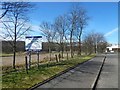
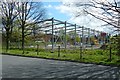
Photos of Bonhill and Renton
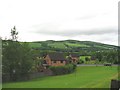
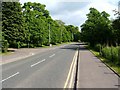
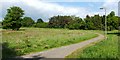
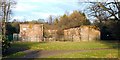
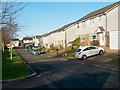


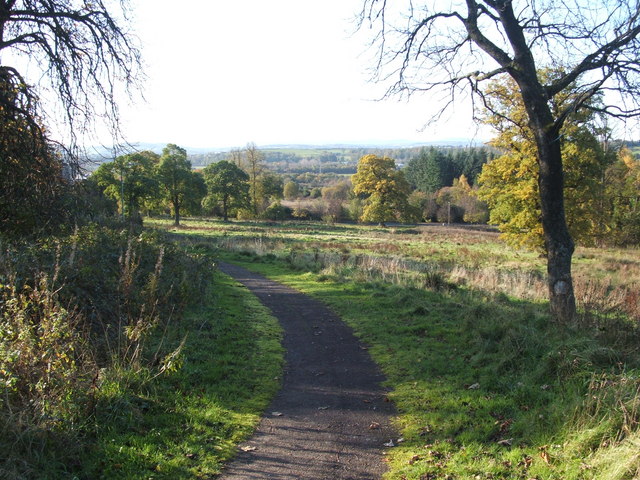
Area Information
Bonhill and Renton stands as a distinct built-up area within Scotland, covering a compact footprint of 2.6 square kilometres. This small geographic concentration creates a contained residential environment where daily routines rely on proximity to local services. You will find that the area functions as a practical node for those needing reliable transport links and essential shops without travelling far. The compact nature of this locality means that the distance between your home, the railway stations, and the village ferries is highly walkable or easily accessible by car. Living in Bonhill and Renton offers a straightforward experience defined by its closeness to the wider West Dunbartonshire infrastructure. Residents settle into a layout where the built environment supports a mix of commercial and domestic needs. The area does not sprawl; instead, it maintains a clear identity centred around Renton and Bonhill. This physical layout dictates that your commute or trip to commercial amenities involves short journeys. You are positioned well to utilise the three railway stations and multiple ferry landings that surround the district. The 2.6 km² extent ensures that the community remains accessible, avoiding the isolation often found in larger, more dispersed regions. It is an area where the built environment serves as the primary organiser of daily life.
- Area Type
- Built Up Area 250
- Area Size
- 2.6 km²
- Population
- Not available
- Population Density
- Not available
Your lifestyle in Bonhill and Renton revolves around a cluster of amenities that are all within practical reach. You do not need to travel long distances to access daily necessities or leisure activities. The retail scene is represented by Co-op Renton, Co-op Alexandria, and Aldi Alexandria. These three supermarkets form the backbone of your weekly shopping routine. You can stock up on groceries and household items without leaving the immediate vicinity of the town. This concentration of retail outlets ensures that convenience is a constant factor in your life. For travel enthusiasts or those needing to move around the region, the rail network offers five notable options in the wider catchment. Renton Railway Station, Alexandria Railway Station, and Dalreoch Railway Station serve as your main gateways. You can choose your station based on the direction you need to travel or the specific train service schedule. Beyond land travel, the area connects to the water network through five accessible ferry points. Balloch Village Ferry Landing, Balloch Pier, and Balloch Castle Pier provide direct links across the loch and waterways. This variety in transport choices enriches your daily options, allowing for drives, train rides, or relaxed ferry trips. Living in Bonhill and Renton means you have immediate access to essential shops and varied transport modes. The layout supports a routine of going out frequently for necessities or leisure without significant time costs. You remain grounded in the community while still possessing excellent outward connection points.
Amenities
Schools
| Rank | School | Type | Entry gender | Ages |
|---|
Explore more schools in this area
Go to Schools tabDemographics
The demographic profile of Bonhill and Renton presents a specific snapshot of the local population structure. While detailed age breakdowns are not provided in the current records, the area's classification as a built-up settlement suggests a established residential base. Households here vary in composition, fitting the patterns typical of towns in this part of Scotland. You should note that the community is an active residential zone rather than a transient holiday location. The housing stock supports various family sizes and single occupants alike. Accommodation types range across the 2.6 km² landscape to cater to different stages of life. Home ownership levels indicate a stable population, though exact percentages require verification against the latest census returns for precise figures. The diversity of the area reflects a standard urban-rural interface found in many Scottish towns. There are no indicators of extreme deprivation or exceptional wealth concentration within the available data. Instead, the community operates as a functional part of the larger regional economy. You will live alongside neighbours who work in local industries or commute to Glasgow and beyond. The demographic mix creates a balanced environment without extreme skewing in any single direction. This stability allows for consistent investment in local services and neighbourhood maintenance. When assessing who lives here, you encounter a typical cross-section of a working-class town with solid family roots.
Household Size
Accommodation Type
Tenure
Ethnic Group
Religion
Household Composition
Age
Household Deprivation
NS-SEC
Explore more demographic insights in this area
Go to Demographics tabPlanning
Planning Constraints
- Crime RiskPremium