Area Overview for Halkirk
Photos of Halkirk
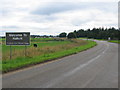
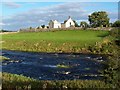
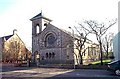
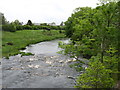
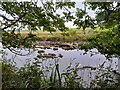
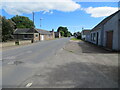
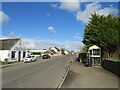
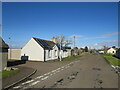
Area Information
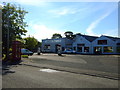
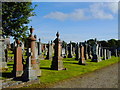
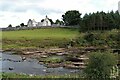
Living in Halkirk means residing in a small, peaceful village within Caithness that retains a distinct rural Highland atmosphere. This built-up area spans just 56.7 hectares and holds a population just under 1,000 residents. Locals claim Halkirk was Scotland's first planned village, created as a service and marketing centre associated with agricultural improvements by Sir John Sinclair of Ulbster. The village sits on the River Thurso and features many structures hundreds of years old that contribute to its calm character. You will find ruins or remnants of the historic cathedral site here, standing as a testament to a dramatic history when the Diocese of Caithness was based there. The community revolves around the Ross Institute, a village hall in Scottish Baronial style that hosts dances, playgroups, and indoor bowling. Its earliest electric clock tower was added in 1911 at villagers' request. Historical distilleries like Ben Morven operate nearby, with the Ben Morven distillery stillhouse remaining standing as a key feature. The annual Halkirk Highland Games, started in 1886, continue to be a significant local event, featuring Scottish Championships in events like the 16lb Scots Hammer. While the area is quiet, the location near agricultural land ensures daily life remains closely tied to the countryside.
- Area Type
- Built Up Area 250
- Area Size
- 56.7 hectares
- Population
- Not available
- Population Density
- Not available
Access to amenities in Halkirk requires travel to nearby towns, as the village itself is a quiet, calm residential spot. For your shopping needs, Morrisons Daily and Tesco Thurso are the nearest major retailers, offering groceries and daily essentials for residents. There are five notable retail options identified within practical reach, ensuring you do not need to travel far for basic provisions. Dining and socialising often centre around the Ross Institute, which provides a welcoming space for dances and community gatherings. Transport links are robust enough for regional travel, with three notable railway stations serving the wider area: Georgemas Junction Railway Station, Scotscalder Railway Station, and Thurso Railway Station. You can access these points for train journeys to larger cities or for commuting purposes. The area is also within reach of local leisure activities, highlighted by the annual Halkirk Highland Games started in 1886. These events showcase traditional skills and competitions, adding cultural depth to the calendar. River walks along the Thurso and visits to the Ruins of the ancient cathedral site provide excellent opportunities for outdoor recreation. The lifestyle here values proximity to nature and community connection over urban convenience, making it ideal for those seeking a slower pace without being isolated from essential services.
Amenities
Schools
| Rank | School | Type | Entry gender | Ages |
|---|
Explore more schools in this area
Go to Schools tabDemographics
You will find Halkirk to be a demographically stable community defined by its small population under 1,000 people. The village does not boast large demographic shifts or significant diversity figures that appear in broader datasets, instead maintaining a tight-knit local identity. Home ownership levels in similar settlements of this size in the Highlands often skew towards resident occupation rather than high-rental volumes, though specific ownership percentages for Halkirk are not broken out in the current report. Accommodation types in the area reflect its history as a planned village with structures dating back centuries. Many homes are older properties situated on streets that run off the main B874 road. The lack of modern high-rise blocks or large student housing complexes means the housing stock is designed for long-term local living rather than short-term stays. Deprivation data for the specific parish is not aggregated in this overview, but the cost of living is generally moderate compared to the Scottish average. You should expect a population profile typical of rural areas, with a steady age mix of families, retirees, and working-age locals who support the village hall and local services. The community relies on its existing infrastructure rather than rapid growth or migration.
Household Size
Accommodation Type
Tenure
Ethnic Group
Religion
Household Composition
Age
Household Deprivation
NS-SEC
Explore more demographic insights in this area
Go to Demographics tabPlanning
Planning Constraints
- Crime & SafetyPremium