Area Overview for S71 3HH
Photos of S71 3HH
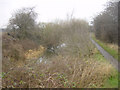
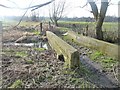
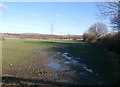
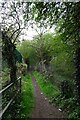
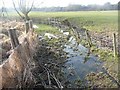
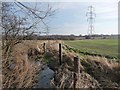
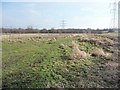
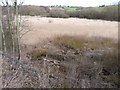
Area Information
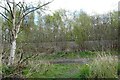
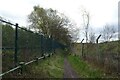
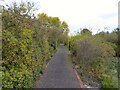
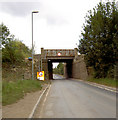
The postal area of S71 3HH represents a small, concentrated residential cluster within England. This specific enclave covers only 1.4 hectares and is home to 1,655 people, resulting in a population density of 695 residents per square kilometre. The low land mass and defined boundaries suggest a tightly knit neighbourhood rather than a sprawling district. For those considering living in S71 3HH, the primary draw is the defined nature of the locality. It stands as a contained residential zone where the built environment is close to the existing population. The area functions as a specific postcode area, offering a distinct identity separate from the wider boroughs it might border. The scale is intimate, meaning residents are likely to know one another, and the physical setting is uniform. This compact size ensures that daily commutes to local services require little travel across the patchwork of the wider region. The designation as a specific postcode covers a cluster focused on housing rather than commercial or industrial use. For a homebuyer, the appeal lies in this specificity. It is a managed space where the character of the community is not diluted by rapid expansion. The area offers a clear footprint for those seeking a settled environment.
- Area Type
- Postcode
- Area Size
- 1.4 hectares
- Population
- 1655
- Population Density
- 695 people/km²
The housing stock within S71 3HH is characterised primarily by independent houses. This specific property type aligns with the high home ownership rate recorded for the postcode, which stands at 69 per cent. The market here is dominated by owner-occupiers, suggesting that the lived experience is one of stability and extended tenure. There is a clear divergence from the rental market which is more common in a new build or student enclave. Buyers looking at homes in S71 3HH are purchasing a stake in a settled neighbourhood rather than an investment property in flux. The prevalence of detached or semi-detached dwellings supports the profile of families with the space and garden access often associated with this home type. The lack of high-density housing suggests that pockets of regeneration or social housing are not the defining feature of this specific postcode. Instead, the value lies in the established nature of the stock. Prospective buyers should expect a traditional residential environment where values remain relatively steady due to the low tenant turnover. The market is not driven by speculative flippers but by residents who require secure tenure. The area functions well for those seeking a self-contained home rather than a flat in a larger block.
House Prices in S71 3HH
Showing 7 properties
| Address | Type | Beds | Baths | Last Sale Price | Last Sale Date | |
|---|---|---|---|---|---|---|
| 105 Shaw Lane, Carlton, Barnsley, S71 3HH | Semi-detached | 3 | 2 | £245,000 | Aug 2023 | |
| 103 Shaw Lane, Carlton, Barnsley, S71 3HH | Land | 3 | - | £210,000 | Apr 2021 | |
| 109 Shaw Lane, Carlton, Barnsley, S71 3HH | Semi-detached | 2 | 1 | £158,000 | Dec 2019 | |
| 101 Shaw Lane, Carlton, Barnsley, S71 3HH | house | - | - | - | - | |
| 111 Shaw Lane, Carlton, Barnsley, S71 3HH | Semi-detached | - | - | - | - | |
| 107 Shaw Lane, Carlton, Barnsley, S71 3HH | Semi-detached | - | - | - | - | |
| Sewage Farm, Shaw Lane, Carlton, Barnsley, S71 3HH | Industrial | - | - | - | - |
Energy Efficiency in S71 3HH
Residents of S71 3HH benefit from a selection of amenities that are within practical reach. For shopping necessities, there are five retail options close by, including Co-op Barnsley, Spar Royston, and Co-op Cudworth. These specific venues offer daily essentials such as groceries and household supplies. The proximity of multiple Co-operative and Spar outlets ensures that you do not need a lengthy journey to stock your pantry. Connectivity by rail is also supported by five nearby stations, including Barnsley Railway Station, Darton Railway Station, and Fitzwilliam Railway Station. This rail infrastructure connects the local postcode to wider city networks. These stations serve as the main hubs for commuting further afield. The availability of these specific retail and transport nodes means that your day-to-day life is supported by established service providers. You can rely on these named locations for your regular trips. The lifestyle here is grounded in accessible services that you can reach without a private vehicle in many instances.
Amenities
Schools
Families looking for quality education when living in S71 3HH have two primary options located in the immediate vicinity. The first is Royston St John the Baptist Church of England Voluntary Aided Primary School, which serves the early years needs of local children. The second option is Royston St John Baptist CE Primary, which holds a 'good' Ofsted rating. This specific regulatory assessment confirms that the school meets the required standards for education and well-being. Both institutions are primary schools, meaning they cater to children from the start of their formal education up to age eleven. This combination allows parents to choose between a Voluntary Aided model and a rated Grant-Maintained or similar structure, both situated nearby. The presence of two schools suggests a community that prioritises education. You do not need to travel far to secure a place for your child. The configuration of having two primary options in this specific cluster reduces the pressure on parents seeking buses to distant towns. For this postcode, school age residents benefit from having facilities that are physically accessible within the local catchment perimeter.
| Rank | School | Type | Entry gender | Ages |
|---|
Explore more schools in this area
Go to Schools tabDemographics
The community residing in S71 3HH is defined by a mature population structure. The median age for residents sits at 47 years, placing the demographic squarely within the Adults 30-64 years range. This statistic indicates that the area is predominantly occupied by working-age adults who typically require independence and stability rather than temporary housing. Over 69 per cent of households in this postcode live in owner-occupied properties, which signals a long-term commitment to the locality. The remaining accommodation consists of other tenure types, but the overwhelming majority are families or couples who have established roots here. Houses form the principal accommodation type, reflecting the layout described for the area. The ethnic composition is predominantly White, consistent with the broader neighbourhoods often found in this region of England. There is little variation in household demographics to suggest a transient population. The high ownership rate of nearly seven out of ten residents implies a stable social fabric. Schools and local businesses cater to a population that views this home as a permanent address rather than a stepping stone. This stability often translates into lower turnover and stronger civic engagement within the local governance structures.
Household Size
Accommodation Type
Tenure
Ethnic Group
Religion
Household Composition
Age
Household Deprivation
NS-SEC
Explore more demographic insights in this area
Go to Demographics tabPlanning
Planning Constraints
- Flood RiskPremium
- Ramsar Wetland SitesPremium
- Area of Outstanding Natural BeautyPremium
- Protected Nature ReservePremium
- Protected WoodlandPremium