Area Overview for BD7 4DA
Photos of BD7 4DA
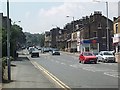
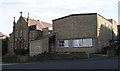
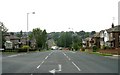
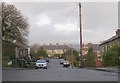
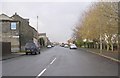
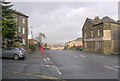
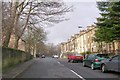
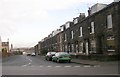
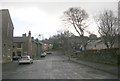
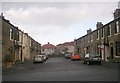
Area Information
BD7 4DA is a small, densely populated residential postcode area within Great Horton, a historic ward in Bradford, West Yorkshire. Covering just 8,647 square metres, it is home to 1,483 people, resulting in a population density of 171,511 people per square kilometre. This compact area lies approximately 2.5 miles south-west of Bradford city centre, blending historic character with urban convenience. Great Horton itself is a designated conservation area, preserving 17th- to 19th-century buildings such as Hall’s House and Horton Park, which opened in 1878. The area’s mix of older homes and 19th-century workers’ housing reflects its industrial past, including cotton mills and religious sites. Today, residents benefit from proximity to retail hubs like Tesco Bradford and multiple railway stations, including Bradford Interchange, offering easy access to the city and beyond. The postcode’s small size means it is tightly integrated with surrounding neighbourhoods, creating a compact, walkable environment where historic preservation meets modern living.
- Area Type
- Postcode
- Area Size
- 8647 m²
- Population
- 1483
- Population Density
- 4487 people/km²
The property market in BD7 4DA is characterised by high home ownership (78%) and a predominance of houses rather than flats or apartments. This suggests a community of long-term residents prioritising ownership over rental living. The small size of the postcode means the housing stock is limited, with most properties concentrated in historic 17th- to 19th-century buildings and workers’ housing. Buyers should consider the area’s proximity to Bradford’s rail network and retail amenities, which may influence property values. The conservation area status adds architectural appeal but could also mean stricter planning regulations. For those seeking a compact, historic neighbourhood with easy access to the city, BD7 4DA offers a blend of heritage and practicality, though the limited size may mean competition for available homes.
House Prices in BD7 4DA
Showing 22 properties
| Address | Type | Beds | Baths | Last Sale Price | Last Sale Date | |
|---|---|---|---|---|---|---|
| 15 Holly Park Drive, Bradford, BD7 4DA | Semi-detached | 3 | 1 | £158,000 | May 2024 | |
| 30 Holly Park Drive, Bradford, BD7 4DA | Terraced | 2 | 1 | £115,000 | Nov 2023 | |
| 16 Holly Park Drive, Bradford, BD7 4DA | Terraced | 3 | 1 | £135,000 | May 2023 | |
| 6 Holly Park Drive, Bradford, BD7 4DA | Terraced | 3 | 1 | £129,995 | Oct 2022 | |
| 17 Holly Park Drive, Bradford, BD7 4DA | house | - | - | £140,000 | Oct 2021 | |
| 11 Holly Park Drive, Bradford, BD7 4DA | Semi-detached | 3 | 1 | £119,950 | Dec 2020 | |
| 2A Holly Park Drive, Bradford, BD7 4DA | Bungalow | 5 | 1 | £335,000 | Nov 2018 | |
| 2 Holly Park Drive, Bradford, BD7 4DA | Terraced | 4 | 1 | £155,000 | Aug 2018 | |
| 4 Holly Park Drive, Bradford, BD7 4DA | Terraced | - | - | £109,000 | Feb 2007 | |
| 26 Holly Park Drive, Bradford, BD7 4DA | house | 2 | - | £105,000 | May 2006 |
Energy Efficiency in BD7 4DA
Living in BD7 4DA offers access to a range of practical amenities within walking or short driving distance. The area is served by five retail outlets, including Aldi Clayton, Heron Clayton, and Tesco Bradford, providing everyday shopping needs. Multiple railway stations, such as Bradford Interchange and Forster Square, offer seamless connectivity to the city and surrounding regions. While the data does not list parks or leisure facilities explicitly, the nearby Horton Park — a public park opened in 1878 — is likely within reach, offering green space for recreation. The historic character of the conservation area, with its 17th-century buildings and listed sites, adds cultural value to daily life. Residents benefit from a compact, walkable environment where historic preservation meets modern convenience.
Amenities
Schools
| Rank | School | Type | Entry gender | Ages |
|---|
Explore more schools in this area
Go to Schools tabDemographics
The population of BD7 4DA has a median age of 47, with the majority of residents aged between 30 and 64 years. This suggests a community of established adults, likely including professionals and families. Home ownership is high at 78%, with houses being the predominant type of accommodation. The area’s predominant ethnic group is Asian, reflecting broader demographic trends in Bradford. This composition indicates a stable, long-term resident base, with a focus on family-oriented living. The absence of specific deprivation data means the area’s quality of life cannot be assessed in terms of economic hardship, but the high home ownership rate and age profile suggest a mature, settled community. The presence of 17th- to 19th-century buildings in the conservation area also hints at a population valuing heritage and historical continuity.
Household Size
Accommodation Type
Tenure
Ethnic Group
Religion
Household Composition
Age
Household Deprivation
NS-SEC
Explore more demographic insights in this area
Go to Demographics tabPlanning
Planning Constraints
- Flood RiskPremium
- Ramsar Wetland SitesPremium
- Area of Outstanding Natural BeautyPremium
- Protected Nature ReservePremium
- Protected WoodlandPremium