Area Overview for BD7 2RW
Photos of BD7 2RW
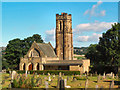
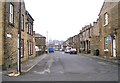
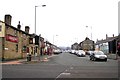
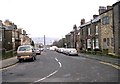
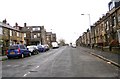
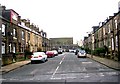
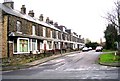
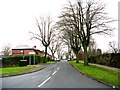
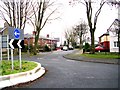
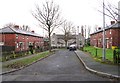
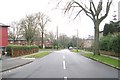
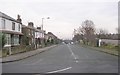
Area Information
BD7 2RW lies within the historic Great Horton ward of Bradford, a small residential cluster just 2.5 miles south-west of the city centre. This area, covering 7,376 square metres, is densely populated, with 1,956 residents packed into a space that once functioned as a rural settlement before 19th-century industrial growth transformed it. Today, it is a conservation area preserving 17th-19th century buildings, including Hall’s House and the Old Bell Chapel, alongside newer housing. The high population density of 265,195 people per square kilometre reflects a compact, tightly knit community. Living here means proximity to Bradford’s urban core, with easy access to rail links and retail hubs. The area’s character blends historic charm with modern practicality, though its small size means every resident shares a close-knit, sometimes crowded, environment. For those seeking a mix of heritage and convenience, BD7 2RW offers a unique window into Bradford’s past and present.
- Area Type
- Postcode
- Area Size
- 7376 m²
- Population
- Not available
- Population Density
- Not available
The property market in BD7 2RW is characterised by a 40% home ownership rate, with the remaining 60% of properties likely rented out. This suggests a mix of owner-occupied and rental homes, though the small area size means the housing stock is limited. The accommodation type is predominantly houses, many of which are historic, dating from the 17th to 19th centuries. These properties, part of the Great Horton Conservation Area, may require maintenance or adherence to preservation guidelines, which could affect buyers’ costs and flexibility. The high population density in such a small area means competition for properties is likely, with limited scope for expansion. For buyers, this means focusing on existing homes rather than new builds, though the area’s historic charm and proximity to Bradford’s amenities may appeal to those seeking characterful, compact living.
House Prices in BD7 2RW
Showing 20 properties
| Address | Type | Beds | Baths | Last Sale Price | Last Sale Date | |
|---|---|---|---|---|---|---|
| 17 Ashton Avenue, Bradford, BD7 2RW | house | - | - | £76,000 | Jul 2009 | |
| 23 Ashton Avenue, Bradford, BD7 2RW | Terraced | 3 | 2 | £95,000 | May 2008 | |
| 12 Ashton Avenue, Bradford, BD7 2RW | Terraced | 3 | - | £92,000 | Sep 2006 | |
| 10 Ashton Avenue, Bradford, BD7 2RW | house | - | - | £35,000 | Dec 2005 | |
| 19 Ashton Avenue, Bradford, BD7 2RW | house | - | - | £85,000 | Aug 2005 | |
| 21 Ashton Avenue, Bradford, BD7 2RW | Terraced | - | - | £70,000 | Dec 2004 | |
| 6 Ashton Avenue, Bradford, BD7 2RW | house | - | - | £34,000 | Dec 2003 | |
| 4 Ashton Avenue, Bradford, BD7 2RW | house | - | - | £27,000 | Dec 2002 | |
| 2 Ashton Avenue, Bradford, BD7 2RW | house | - | - | £21,000 | Aug 1999 | |
| 7 Ashton Avenue, Bradford, BD7 2RW | house | - | - | - | - |
Energy Efficiency in BD7 2RW
Life in BD7 2RW is shaped by its proximity to retail, dining, and green spaces. Within practical reach are five retail outlets, including Aldi Clayton and Tesco Bradford, offering everyday essentials. The area’s rail links provide easy access to Bradford’s broader network, connecting residents to cultural and employment hubs. Nearby, Horton Park—a public park opened in 1878—offers recreational space, designed by William Gay, while the conservation area’s historic buildings, such as Hall’s House and the Old Bell Chapel, add architectural interest. The blend of retail, transport, and greenery creates a convenient, though compact, lifestyle. Residents can enjoy a mix of urban amenities and historic charm, though the small area means choices are limited. The presence of listed buildings and parks suggests a community that values both heritage and outdoor access, though the high density may mean shared spaces are in demand.
Amenities
Schools
| Rank | School | Type | Entry gender | Ages |
|---|
Explore more schools in this area
Go to Schools tabDemographics
The population of BD7 2RW is 1,956, with a median age of 47, indicating a mature community. The most common age group is adults aged 30-64, suggesting a stable, working-age population. Home ownership here is relatively low at 40%, meaning 60% of residents rent, likely due to the area’s small size and limited housing stock. The predominant accommodation type is houses, though the high density implies many are multi-occupancy or converted properties. The predominant ethnic group is Asian, reflecting broader demographic trends in Bradford. The area’s history as a former rural settlement now densely populated means residents navigate a balance between historic preservation and urban living. While the data does not specify deprivation levels, the high population density and reliance on rentals may indicate socioeconomic pressures, though the area’s proximity to transport and amenities offers practical advantages.
Household Size
Accommodation Type
Tenure
Ethnic Group
Religion
Household Composition
Age
Household Deprivation
NS-SEC
Explore more demographic insights in this area
Go to Demographics tabPlanning
Planning Constraints
- Flood RiskPremium
- Ramsar Wetland SitesPremium
- Area of Outstanding Natural BeautyPremium
- Protected Nature ReservePremium
- Protected WoodlandPremium