Area Overview for BD7 2RP
Photos of BD7 2RP
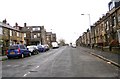
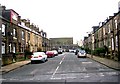
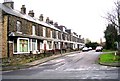
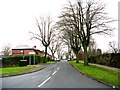
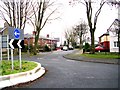
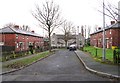
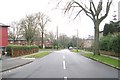
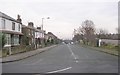
Area Information
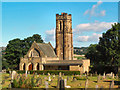
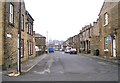
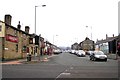
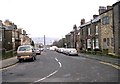
Living in BD7 2RP means being part of a small, densely populated residential cluster within the historic Great Horton conservation area of Bradford. The postcode covers 2,148 square metres, housing 1,956 people in a compact urban setting just 2.5 miles from Bradford city centre. This area, once a rural settlement with 17th-18th century buildings, now blends historic preservation with modern living. The conservation area includes listed structures like Hall’s House and Horton Park, a public space opened in 1878. Daily life here is shaped by proximity to rail networks and local shops, while the ward’s 17,683 residents (as of 2011) reflect a mix of long-standing communities and urban expansion. The area’s compact nature means amenities are within walking distance, though its high population density of 910,595 people per square kilometre underscores its role as a tightly knit, active neighbourhood.
- Area Type
- Postcode
- Area Size
- 2148 m²
- Population
- Not available
- Population Density
- Not available
The property market in BD7 2RP is defined by a 40% home ownership rate, with houses being the primary accommodation type. This suggests a mix of owner-occupied properties and rental homes, though the small size of the area means housing stock is limited. The presence of historic buildings in the conservation area may influence property values, with listed structures like Hall’s House adding character but also potential constraints on renovations. Buyers should consider that 60% of households are renters, which could affect demand for owner-occupied homes. The area’s compact nature means properties are likely close to amenities, but the high population density may limit availability. For those seeking a house in a preserved urban setting, BD7 2RP offers a blend of heritage and practicality, though the market’s small scale means competition for properties could be intense.
House Prices in BD7 2RP
Showing 7 properties
| Address | Type | Beds | Baths | Last Sale Price | Last Sale Date | |
|---|---|---|---|---|---|---|
| 3 Tordoff Avenue, Bradford, BD7 2RP | Semi-detached | 3 | 1 | £78,050 | Nov 2019 | |
| Former Caravan At 6, Tordoff Avenue, Bradford, BD7 2RP | Mobile Home | - | - | - | - | |
| 6 Tordoff Avenue, Bradford, BD7 2RP | house | - | - | - | - | |
| 1 Tordoff Avenue, Bradford, BD7 2RP | house | - | - | - | - | |
| 5 Tordoff Avenue, Bradford, BD7 2RP | house | - | - | - | - | |
| 4 Tordoff Avenue, Bradford, BD7 2RP | Semi-detached | - | - | - | - | |
| 2 Tordoff Avenue, Bradford, BD7 2RP | house | - | - | - | - |
Energy Efficiency in BD7 2RP
Life in BD7 2RP is shaped by its proximity to retail, rail, and green spaces. Within practical reach are five retail outlets, including Aldi, Tesco, and Heron Clayton, offering everyday essentials. The area’s rail network, with five stations including Bradford Forster Square, ensures easy access to Bradford’s cultural and employment hubs. Nearby, Horton Park provides a public space for leisure, with its 1878 design offering a historical touch to outdoor activities. The conservation area’s listed buildings and back-to-back housing add to the area’s distinct character, blending heritage with modern convenience. Residents can enjoy a mix of urban amenities and preserved architecture, though the compact layout means space is limited. The combination of shops, transport, and parks makes daily life practical, with a focus on accessibility and community.
Amenities
Schools
| Rank | School | Type | Entry gender | Ages |
|---|
Explore more schools in this area
Go to Schools tabDemographics
BD7 2RP has a median age of 47, with the majority of residents aged 30–64. This suggests a mature, stable population, likely with established careers and families. Home ownership rates here are 40%, meaning 60% of households are renters, which is significant for a small area with limited housing stock. The predominant accommodation type is houses, indicating a mix of single-family homes and possibly terraced properties. The dominant ethnic group is Asian_total, reflecting the broader demographic trends in Bradford. This composition shapes the community’s character, with cultural influences evident in local businesses and social dynamics. The high population density, combined with a relatively older demographic, suggests a focus on community cohesion and access to nearby services, though the lack of specific deprivation data means the area’s economic challenges remain unquantified.
Household Size
Accommodation Type
Tenure
Ethnic Group
Religion
Household Composition
Age
Household Deprivation
NS-SEC
Explore more demographic insights in this area
Go to Demographics tabPlanning
Planning Constraints
- Flood RiskPremium
- Ramsar Wetland SitesPremium
- Area of Outstanding Natural BeautyPremium
- Protected Nature ReservePremium
- Protected WoodlandPremium