Area Overview for BD7 2LN
Photos of BD7 2LN
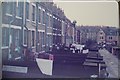
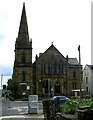
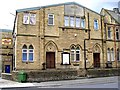
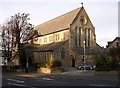
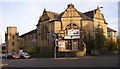
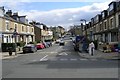
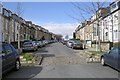
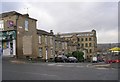
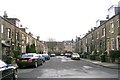
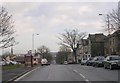
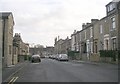
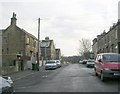
Area Information
Living in BD7 2LN means inhabiting a compact residential cluster in England’s West Yorkshire, just 2.5 miles from Bradford city centre. The area spans 2,382 square metres, housing 2,824 residents in a densely populated setting. This postcode falls within Great Horton, a conservation area preserving 17th- to 19th-century buildings amid urban growth. Historically a rural settlement, it now features a mix of historic homes and 19th-century workers’ housing. The area’s character is defined by its conservation status, with listed buildings like Hall’s House and Horton Park, a public park opened in 1878. Daily life here balances proximity to Bradford’s amenities with a preserved historic core. With rail links to Bradford’s main stations and retail options like Tesco and Aldi nearby, residents enjoy practical connectivity. The community, though small, reflects a blend of long-standing residents and newer arrivals, shaped by industrial heritage and modern living needs.
- Area Type
- Postcode
- Area Size
- 2382 m²
- Population
- 2824
- Population Density
- 9496 people/km²
The property market in BD7 2LN is dominated by owner-occupied homes, with 64% of residents owning their properties. Houses, rather than flats or apartments, are the primary accommodation type, reflecting a suburban or semi-rural character. This suggests a market skewed towards families and long-term residents seeking stability. The area’s small size and conservation status may limit new developments, making existing properties highly sought after. For buyers, this means competition for available homes, particularly within the historic conservation area. The mix of 17th- to 19th-century buildings and workers’ housing offers a range of architectural styles, though limited availability could drive up prices. Proximity to Bradford’s transport links and amenities adds to the area’s appeal, though buyers should consider the compact footprint and potential for limited expansion.
House Prices in BD7 2LN
Showing 21 properties
| Address | Type | Beds | Baths | Last Sale Price | Last Sale Date | |
|---|---|---|---|---|---|---|
| 4 Summer Hill Street, Bradford, BD7 2LN | Terraced | 2 | 1 | £40,000 | Apr 2023 | |
| 25 Summer Hill Street, Bradford, BD7 2LN | Terraced | 2 | 1 | £62,000 | Jan 2022 | |
| 21 Summer Hill Street, Bradford, BD7 2LN | house | - | - | £40,100 | Mar 2021 | |
| 6 Summer Hill Street, Bradford, BD7 2LN | Terraced | 2 | 1 | £41,000 | Nov 2020 | |
| 19 Summer Hill Street, Bradford, BD7 2LN | Terraced | 2 | 1 | £39,999 | Mar 2019 | |
| 2 Summer Hill Street, Bradford, BD7 2LN | Terraced | 2 | 1 | £39,000 | Jan 2019 | |
| 10 Summer Hill Street, Bradford, BD7 2LN | Terraced | 2 | 1 | £39,100 | Aug 2017 | |
| 15 Summer Hill Street, Bradford, BD7 2LN | Terraced | 3 | 1 | £57,000 | Dec 2016 | |
| 7 Summer Hill Street, Bradford, BD7 2LN | Terraced | 1 | 1 | £34,000 | Mar 2016 | |
| 16 Summer Hill Street, Bradford, BD7 2LN | Terraced | 2 | 1 | £62,000 | Sep 2015 |
Energy Efficiency in BD7 2LN
Life in BD7 2LN offers practical access to retail and transport hubs. Nearby shops include Tesco Bradford, Aldi Clayton, and Heron Clayton, providing everyday essentials within walking distance. The area’s rail links to Bradford’s main stations make commuting efficient, while Horton Park offers green space for recreation. However, the data does not list additional leisure facilities like gyms or cafes, suggesting a focus on basic amenities. The historic conservation area adds character, with listed buildings and parks enhancing the local environment. For residents, the balance of convenience, historic charm, and connectivity to Bradford’s urban core creates a functional lifestyle. The compact footprint means amenities are closely grouped, though expansion beyond the immediate vicinity may be necessary for broader leisure options.
Amenities
Schools
The nearest school to BD7 2LN is Al-Markaz Academy, an independent institution. While no Ofsted rating is provided, independent schools often cater to specific educational philosophies or religious affiliations. The presence of an independent school suggests the area attracts families prioritising alternative educational models. However, the absence of state schools in the data means families reliant on publicly funded education may need to look beyond the immediate vicinity. This could affect convenience for working parents or those requiring proximity to local primary or secondary schools. The single listed school highlights a potential gap in educational diversity, though the area’s compact size may limit the number of nearby institutions.
| Rank | School | Type | Entry gender | Ages |
|---|
Explore more schools in this area
Go to Schools tabDemographics
BD7 2LN has a median age of 22, though the most common age range is adults aged 30–64, indicating a stable working-age population. Home ownership is high at 64%, with houses being the predominant accommodation type. The area’s ethnic composition is dominated by the Asian_total group, reflecting a culturally distinct community. This demographic profile suggests a mix of established families and professionals, with a focus on owner-occupied housing. The high home ownership rate implies long-term residency for many, while the presence of independent schools like Al-Markaz Academy caters to families prioritising specific educational pathways. The area’s compact size and density mean social interactions are likely frequent, fostering a tight-knit community. However, the lack of explicit deprivation data means quality of life factors like access to services remain unquantified.
Household Size
Accommodation Type
Tenure
Ethnic Group
Religion
Household Composition
Age
Household Deprivation
NS-SEC
Explore more demographic insights in this area
Go to Demographics tabPlanning
Planning Constraints
- Flood RiskPremium
- Ramsar Wetland SitesPremium
- Area of Outstanding Natural BeautyPremium
- Protected Nature ReservePremium
- Protected WoodlandPremium