Area Overview for BD7 2LQ
Photos of BD7 2LQ
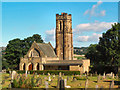
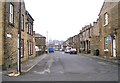
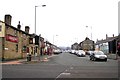
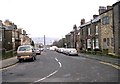
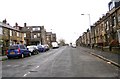
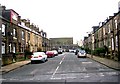
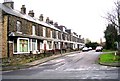
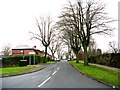
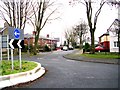
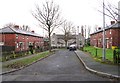
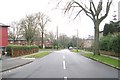
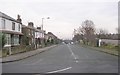
Area Information
BD7 2LQ is a small residential postcode area in the City of Bradford, West Yorkshire, situated approximately 2.5 miles south-west of Bradford city centre. It forms part of the historic Great Horton ward, a conservation area that preserves 17th- to 19th-century buildings amid urban growth. The area covers 1.5 hectares and is densely populated, with 2,824 residents packed into 193,463 people per square kilometre. This compact cluster blends historic architecture—such as Hall’s House (1697) and Horton Park (opened 1878)—with modern housing. Daily life here is shaped by proximity to Bradford’s infrastructure, including multiple railway stations and retail hubs. The area’s character is defined by its conservation status, which safeguards its heritage while accommodating contemporary living. With a young median age of 22 and a majority of residents aged 30–64, the community balances historical continuity with evolving needs. Living here means navigating a tight-knit, high-density environment with access to both preserved landmarks and urban conveniences.
- Area Type
- Postcode
- Area Size
- 1.5 hectares
- Population
- 2824
- Population Density
- 9496 people/km²
The property market in BD7 2LQ is dominated by owner-occupied homes, with 64% of residents owning their properties. This contrasts with areas where rental demand is higher, indicating a community focused on long-term residency. The accommodation type is primarily houses, which are more common than flats or apartments in this postcode. Given the area’s small size and high population density, the housing stock is limited, likely creating competition among buyers. The presence of historic buildings within the Great Horton Conservation Area adds character but may also influence property values, with older homes requiring maintenance. For buyers, this means a focus on family-oriented housing in a compact, urban setting. The proximity to Bradford’s transport links and amenities may also enhance the appeal of owner-occupied properties, though the small area size limits availability.
House Prices in BD7 2LQ
Showing 46 properties
| Address | Type | Beds | Baths | Last Sale Price | Last Sale Date | |
|---|---|---|---|---|---|---|
| 26 St Wilfrids Crescent, Bradford, BD7 2LQ | Semi-detached | - | - | £125,000 | May 2025 | |
| 33 St Wilfrids Crescent, Bradford, BD7 2LQ | Semi-detached | 3 | 1 | £105,000 | Dec 2022 | |
| 32 St Wilfrids Crescent, Bradford, BD7 2LQ | house | - | - | £145,000 | Nov 2022 | |
| 16 St Wilfrids Crescent, Bradford, BD7 2LQ | house | - | - | £112,000 | Jan 2020 | |
| 25 St Wilfrids Crescent, Bradford, BD7 2LQ | house | - | - | £115,000 | Jun 2019 | |
| 24 St Wilfrids Crescent, Bradford, BD7 2LQ | Semi-detached | 3 | 1 | £105,000 | Mar 2019 | |
| 17 St Wilfrids Crescent, Bradford, BD7 2LQ | house | - | - | £125,000 | Nov 2018 | |
| 31 St Wilfrids Crescent, Bradford, BD7 2LQ | house | - | - | £95,000 | Feb 2018 | |
| 14 St Wilfrids Crescent, Bradford, BD7 2LQ | house | - | - | £117,500 | Sep 2016 | |
| 18 St Wilfrids Crescent, Bradford, BD7 2LQ | Semi-detached | 3 | 1 | £108,000 | Jun 2016 |
Energy Efficiency in BD7 2LQ
Residents of BD7 2LQ have access to a range of amenities within practical reach. Retail options include major chains like Tesco Bradford and Aldi Clayton, alongside smaller stores such as Heron Clayton. The area’s rail network, with stations like Bradford Interchange and Forster Square, offers convenient commuting and connections to broader transport systems. Nearby, Horton Park—a public park opened in 1878—provides green space for leisure, exercise, and relaxation. The conservation area status ensures historic buildings like Hall’s House and the Old Bell Chapel remain accessible, adding cultural value. While the data does not mention dining or leisure venues explicitly, the proximity to Bradford’s city centre likely extends these options. The combination of retail, transport, and green space creates a lifestyle that balances convenience with a touch of historical charm.
Amenities
Schools
The nearest school to BD7 2LQ is Al-Markaz Academy, an independent institution. While no Ofsted rating is provided, the fact that it is independent suggests it may cater to specific educational preferences or fee-paying students. The absence of other schools in the data means families relying on state education may need to look further afield. This single school option could influence decisions for families prioritising private education, though it may also highlight a lack of diversity in local schooling options. The area’s demographic profile—predominantly Asian residents—may align with the school’s cultural or educational focus. However, without additional data on academic performance or student outcomes, the full picture of educational quality remains unclear.
| Rank | School | Type | Entry gender | Ages |
|---|
Explore more schools in this area
Go to Schools tabDemographics
The population of BD7 2LQ is 2,824, with a median age of 22, though the most common age group is adults aged 30–64. This suggests a mix of younger residents and families. Home ownership is high at 64%, indicating a stable, long-term community. The predominant accommodation type is houses, reflecting a preference for family-friendly housing. The area’s ethnic composition is largely Asian, as noted in the data, which aligns with broader demographic trends in Bradford. The high population density—193,463 people per square kilometre—means limited space for expansion, creating a compact, closely knit environment. While no specific deprivation data is provided, the high home ownership rate and presence of independent schools like Al-Markaz Academy suggest a community with access to resources and stability. However, the density may also contribute to a sense of shared space and communal living.
Household Size
Accommodation Type
Tenure
Ethnic Group
Religion
Household Composition
Age
Household Deprivation
NS-SEC
Explore more demographic insights in this area
Go to Demographics tabPlanning
Planning Constraints
- Flood RiskPremium
- Ramsar Wetland SitesPremium
- Area of Outstanding Natural BeautyPremium
- Protected Nature ReservePremium
- Protected WoodlandPremium