Area Overview for BD7 2EY
Photos of BD7 2EY
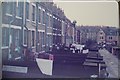
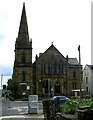
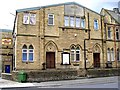
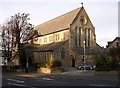
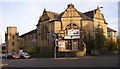
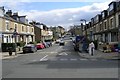
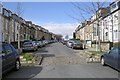
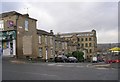
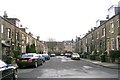
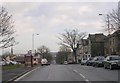
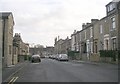
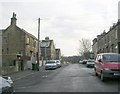
Area Information
Living in BD7 2EY means being part of a tightly knit residential cluster within Bradford’s city centre, bounded by the inner ring road. This postcode covers just 1.3 hectares, yet it is home to 2,184 people, making it one of the most densely populated areas in England, with 170,575 residents per square kilometre. The area is defined by its proximity to Bradford’s core infrastructure, including retail hubs and rail networks. Daily life here is shaped by its urban setting, with easy access to shops, transport, and the city’s cultural landmarks. The median age of 22 contrasts with the most common age range of 30–64, suggesting a mix of younger professionals and established families. The area’s compact size and high connectivity make it appealing for those seeking convenience, though the density may mean limited private outdoor space. With a broadband score of 100, residents enjoy seamless digital connectivity, supporting remote work and online activities. However, the medium crime risk score of 54 means standard security measures are advisable. For those prioritising accessibility and urban living, BD7 2EY offers a compact, dynamic environment.
- Area Type
- Postcode
- Area Size
- 1.3 hectares
- Population
- 2184
- Population Density
- 9794 people/km²
The property market in BD7 2EY is characterised by a 52% home ownership rate, with the remaining 48% of residents likely to be in the rental market. The accommodation type is predominantly houses, though the area’s compact size of 1.3 hectares implies these are likely terraced or semi-detached properties. Given the high population density of 170,575 people per square kilometre, the housing stock is likely to be older and more densely packed, offering limited scope for larger homes. For buyers, this small area presents a challenge: the limited land area and high demand may mean competition for properties, particularly for those seeking more space. The proximity to retail and rail amenities makes it attractive for commuters, but the lack of data on property prices or recent developments means potential buyers must conduct further due diligence. The mix of owner-occupied and rental properties suggests a stable market, though the small size of the area may limit long-term investment opportunities.
House Prices in BD7 2EY
Showing 21 properties
| Address | Type | Beds | Baths | Last Sale Price | Last Sale Date | |
|---|---|---|---|---|---|---|
| 16 Estcourt Road, Bradford, BD7 2EY | house | - | - | £123,000 | Aug 2021 | |
| 9 Estcourt Road, Bradford, BD7 2EY | Terraced | 5 | 1 | £110,000 | Jun 2019 | |
| 12 Estcourt Road, Bradford, BD7 2EY | house | - | - | £80,000 | Mar 2010 | |
| 8 Estcourt Road, Bradford, BD7 2EY | Terraced | - | - | £90,000 | Dec 2009 | |
| 14 Estcourt Road, Bradford, BD7 2EY | house | 3 | 1 | £90,000 | Oct 2009 | |
| 10 Estcourt Road, Bradford, BD7 2EY | Terraced | - | - | £75,000 | Jan 2009 | |
| 2 Estcourt Road, Bradford, BD7 2EY | Terraced | 3 | 1 | £124,000 | Mar 2008 | |
| 5 Estcourt Road, Bradford, BD7 2EY | house | - | - | £110,000 | Dec 2006 | |
| 6 Estcourt Road, Bradford, BD7 2EY | Terraced | 3 | 1 | £115,000 | Dec 2006 | |
| 28 Estcourt Road, Bradford, BD7 2EY | house | - | - | £88,000 | Mar 2006 |
Energy Efficiency in BD7 2EY
Life in BD7 2EY is defined by its proximity to retail and transport hubs, with five notable retail venues, including Tesco Bradford and Asda Little, within reach. These shops provide convenience for daily needs, though the area lacks specific data on dining or leisure options. The five rail stations—such as Bradford Interchange and Forster Square—offer frequent services, making commuting to nearby areas straightforward. The area’s urban setting places it at the heart of Bradford’s city centre, though details on parks or recreational spaces are absent from the data. The compact nature of BD7 2EY means that amenities are concentrated, which can be both a benefit and a limitation. While the retail and rail networks support a dynamic lifestyle, the absence of named parks or leisure facilities suggests that outdoor recreation may require travel beyond the immediate area. Overall, the lifestyle here is practical and focused on accessibility, with a strong emphasis on retail and transport connectivity.
Amenities
Schools
| Rank | School | Type | Entry gender | Ages |
|---|
Explore more schools in this area
Go to Schools tabDemographics
BD7 2EY has a median age of 22, but the majority of residents fall within the 30–64 age range, indicating a community skewed towards working-age adults. Home ownership stands at 52%, with the remaining 48% likely to be renters, reflecting a mix of owner-occupied and rental properties. The accommodation type is predominantly houses, though the area’s small size and high population density suggest these may be terraced or semi-detached. The predominant ethnic group is Asian_total, which shapes the cultural character of the neighbourhood. The high population density of 170,575 people per square kilometre means living spaces are closely packed, which can foster community interaction but may also contribute to a sense of overcrowding. This demographic profile suggests a stable, family-oriented environment with a strong working-age population, though the lack of specific data on deprivation means its impact on quality of life remains unquantified.
Household Size
Accommodation Type
Tenure
Ethnic Group
Religion
Household Composition
Age
Household Deprivation
NS-SEC
Explore more demographic insights in this area
Go to Demographics tabPlanning
Planning Constraints
- Flood RiskPremium
- Ramsar Wetland SitesPremium
- Area of Outstanding Natural BeautyPremium
- Protected Nature ReservePremium
- Protected WoodlandPremium