Area Overview for BD7 2EZ
Photos of BD7 2EZ
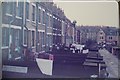
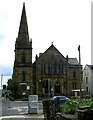
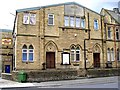
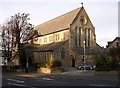
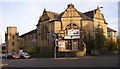
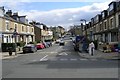
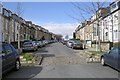
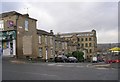
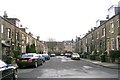
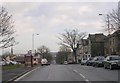
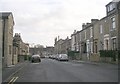
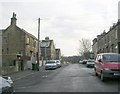
Area Information
Living in BD7 2EZ means being part of a small, tightly knit residential cluster in the heart of Bradford, West Yorkshire. With a population of 2,184, the area is compact yet functional, serving as a microcosm of the broader Bradford region. It lies within the City Ward, an electoral division defined by its central urban boundaries rather than standalone district status. Daily life here is shaped by proximity to key infrastructure, including multiple railway stations and retail hubs. The area’s character is influenced by its demographic profile: while the median age is 22, the most common age range is adults aged 30–64, suggesting a balance between younger residents and established families. This mix contributes to a dynamic but manageable community feel. BD7 2EZ is not a standalone district but a postcode embedded in Bradford’s urban fabric, offering access to the city’s cultural and economic resources while maintaining a distinct local identity. Its small size means residents are close to amenities, but the area’s limited scale also means it is best viewed as part of a larger regional context rather than an isolated community.
- Area Type
- Postcode
- Area Size
- Not available
- Population
- 2184
- Population Density
- 9794 people/km²
The property market in BD7 2EZ is characterised by a 52% home ownership rate, indicating that nearly half of the housing stock is owner-occupied, while the remaining properties are likely rented. The area’s predominant accommodation type is houses, which suggests a focus on single-family homes rather than apartments or high-density housing. This makes BD7 2EZ more of a traditional residential area than a city-centre rental hotspot. Given its small size, the housing stock is limited, which could mean competition for available properties, particularly for buyers seeking specific features. The proximity to multiple railway stations, including Bradford Interchange and Forster Square, may appeal to commuters, though the area’s compact nature means it is best suited for those prioritising access to transport over expansive living space. For buyers, the mix of owner-occupied and rental properties suggests a stable market, but the small scale of the area means any property search here should consider nearby postcode clusters for broader options.
House Prices in BD7 2EZ
No properties found in this postcode.
Energy Efficiency in BD7 2EZ
The lifestyle in BD7 2EZ is shaped by its proximity to retail and transport hubs. Within practical reach are five retail venues, including major chains like Tesco Bradford and Asda Little, ensuring everyday shopping needs are met without long journeys. The area’s rail network, with five stations including Bradford Interchange and Forster Square, provides direct links to other parts of Bradford and surrounding regions, enhancing access to leisure, employment, and cultural opportunities. While the area itself is urban and compact, the rail connections offer residents access to parks, museums, and other attractions beyond the immediate postcode. The presence of multiple retail options and transport links contributes to a convenient, if modest, lifestyle. However, the area’s small size means it lacks large-scale amenities like sprawling parks or entertainment districts, requiring residents to rely on nearby areas for more extensive leisure options. The balance of retail and transport infrastructure makes BD7 2EZ functional for daily living but best complemented by a broader regional perspective.
Amenities
Schools
| Rank | School | Type | Entry gender | Ages |
|---|
Explore more schools in this area
Go to Schools tabDemographics
The community in BD7 2EZ is defined by its age profile, with a median age of 22, though the most common age group is adults aged 30–64. This suggests a mix of younger residents and older households, potentially reflecting student populations or families with children. Home ownership sits at 52%, indicating a moderate balance between owner-occupied properties and rental units. The predominant accommodation type is houses, which aligns with the area’s residential character. Ethnically, the Asian population is the largest group, contributing to the area’s cultural diversity. This demographic profile shapes the local economy and social dynamics, with services and amenities likely tailored to a mix of age groups and household structures. The relatively low population—2,184 people—means the area is not densely packed, offering a quieter, more intimate living environment compared to larger urban centres. However, the presence of 52% home ownership also suggests a degree of stability, with long-term residents potentially outnumbering transient populations.
Household Size
Accommodation Type
Tenure
Ethnic Group
Religion
Household Composition
Age
Household Deprivation
NS-SEC
Explore more demographic insights in this area
Go to Demographics tabPlanning
Planning Constraints
- Flood RiskPremium
- Ramsar Wetland SitesPremium
- Area of Outstanding Natural BeautyPremium
- Protected Nature ReservePremium
- Protected WoodlandPremium