Area Overview for West Midlands
Photos of West Midlands
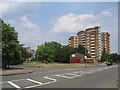
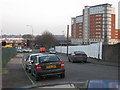
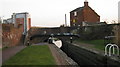
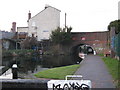

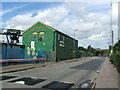
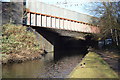

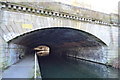
Area Information
Living in West Midlands offers a distinct provincial lifestyle defined by its large footprint and settled pace. This ceremonial county covers 902.3 square kilometres, providing ample space for expansion while maintaining a manageable distance from major regional hubs. You will find a region where daily life revolves around practicality rather than the frenetic energy of high-density metropolitan centres. The area accommodates a wide variety of residential needs, from family-sized homes to smaller dwellings suited to retirees. The sheer scale of West Midlands shapes how residents interact with their surroundings. Families enjoy access to extensive green belts and local centres, while commuters benefit from being situated within a defined region that connects multiple towns and villages. There is no single dominant character to the county; instead, you encounter a collection of communities, each with its own local history and rhythm. This vast area allows you to choose a neighbourhood that matches your preference for quiet streets or active village life. Whether you seek a home in a rural pocket or a suburban setting, the physical size of West Midlands ensures there is space for that lifestyle.
- Area Type
- Ceremonial Counties Region
- Area Size
- 902.3 km²
- Population
- Not available
- Population Density
- Not available
Demographics
The community in West Midlands is characteristically mature, with a median age of 70 years. This figure indicates that the area attracts a large population of older residents who have moved here for retirement or downsizing. You are more likely to find families with younger children in smaller pockets, but the overarching demographic trend points towards an older demographic. This balance means West Midlands hosts a significant number of empty nesters and retirees. Home ownership defines the lifestyle for many residents, with 58% of households owning their homes outright or with a mortgage. This statistic suggests a stable environment where families have invested deeply in their local properties over time. The prevalence of owner-occupied homes often correlates with a slower, more established community atmosphere where neighbours know one another well. While specific details on household composition and accommodation types are not broken down in the available records, the high ownership rate implies a traditional, settled residential stock rather than a transient rental market. The age profile directly influences local services and community engagement. With three-quarters of the population falling into the broader stated age total, you will see infrastructure geared towards older age groups, such as accessible housing and nearby healthcare facilities. This demographic reality shapes the social fabric of every village and town within the 902.3 km² region. You can expect a quiet, respectful neighbourhood where community organisations often focus on supporting the elderly and long-term residents.