Area Overview for Warwick
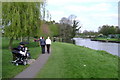
Photos of Warwick
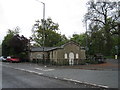

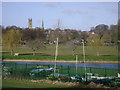
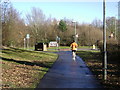
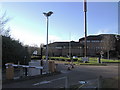
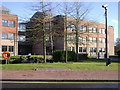

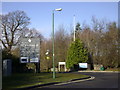
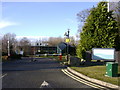
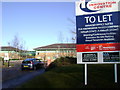

Area Information
Warwick is a compact built-up area in England, spanning 11.1 km² with a population of 1690, resulting in a population density of 152 people per square kilometre. This makes it a small, tightly knit community where daily life is shaped by proximity to local amenities and services. The area’s character is defined by its balance of residential spaces and practical infrastructure, with a median age of 70 suggesting a mature demographic. Warwick’s size and density mean residents can access essential services within walking or cycling distance, though the area’s limited population may influence the range of local offerings. For those considering living here, the town offers a quiet, low-key environment, with a focus on simplicity and practicality. Its modest scale means it’s unlikely to have the sprawling retail or entertainment options found in larger cities, but it provides a self-contained lifestyle for those prioritising convenience over urban vibrancy. The presence of nearby rail stations and a strong broadband network further enhances its appeal for commuters and remote workers.
- Area Type
- District/Borough
- Area Size
- 11.1 km²
- Population
- 1690
- Population Density
- 152 people/km²
Demographics
Warwick’s population is predominantly older, with a median age of 70, which is notably higher than the national average. This suggests a community where retirement is the primary life stage, though the data does not specify the proportion of residents who are retired versus those in other employment phases. Home ownership in the area is at 66%, indicating a mix of owner-occupied and rental properties. The absence of detailed breakdowns for household composition or accommodation types means broader demographic trends remain unclear. However, the high home ownership rate suggests a stable, long-term resident base. The area’s population density of 152 people per km² implies a relatively low-pressure living environment, with space for private outdoor areas despite the built-up nature of the area. While no specific data on deprivation or diversity is provided, the lack of detailed figures means these aspects cannot be assessed here.
Household Size
Accommodation Type
Tenure
Ethnic Group
Religion
Household Composition
Age
Household Deprivation
NS-SEC
Explore more demographic insights in this area
Go to Demographics tabPlanning
Planning Constraints
- Crime RiskPremium