Area Overview for Stoke-on-Trent
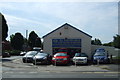
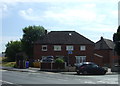
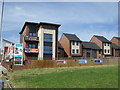
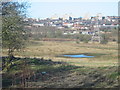
Photos of Stoke-on-Trent
Area Information
Stoke-on-Trent occupies a distinct position within the English property landscape as a local authority district covering 71.2 square kilometres. With a population of 90,835, the area maintains a population density of 1,277 people per square kilometre. This configuration creates a residential environment where community interactions can occur relatively frequently while still offering defined territorial boundaries. Living in Stoke-on-Trent means engaging with a settlement that balances urban centre dynamics with manageable scale. The average resident experiences proximity to neighbours within this specific footprint, fostering a sense of locality without extreme overcrowding. You will find that daily life here is shaped by these fixed geographic constraints and the resulting human density. The area functions as a self-contained unit within the broader regional framework, allowing residents to navigate their surroundings with a clear understanding of local limits. This specific demographic footprint and spatial arrangement define the rhythm of life for those choosing to call this district their home. The concentration of people within these 71.2 square kilometres ensures that essential services and local amenities remain within a reasonable reach for most homeowners and renters alike.
- Area Type
- District/Borough
- Area Size
- 71.2 km²
- Population
- 90835
- Population Density
- 1277 people/km²
Demographics
The community profile in Stoke-on-Trent presents clear data regarding the age distribution of its residents. The median age stands at 70 years, indicating a population skewed significantly toward older demographics compared to national averages. This fact defines the social fabric of the borough, suggesting that the area is not primarily focused on young families or single professionals. You will observe that the most common age range encompasses the total age spectrum, but the median figure confirms that the majority of households contain older individuals. Home ownership rates provide further insight into who lives here. Sixty per cent of households own their homes outright or with a mortgage, establishing a strong bond between the local community and the property market. The remaining forty per cent of households likely consist of renters or those purchasing with significant assistance. The data does not specify diverse breakdowns for ethnic groups or predominant religions, meaning you cannot make specific claims about cultural or religious diversity basing solely on this dataset. However, the high rate of home ownership suggests a settled population that has invested locally over time. This demographic reality means that living in Stoke-on-Trent often involves engaging with neighbours who have deep local roots and long-term financial commitments to the area.